Textile Sales Job Description
Selling fabrics and textiles to the trade — mills, converters, swatches, yardage and lead times
Textile sales is the upstream cousin of garment selling: instead of finished clothing, the textile salesperson sells fabric — woven and knitted cloth from mills and converters — to the clothing manufacturers, brands and makers who will cut and sew it. The customers think in yardage, widths and lead times rather than sizes and seasons on a rail, and the product knowledge runs deeper into fibre, yarn, weave and finish than anywhere else in this directory. It is one of the oldest selling trades in the industry, and still one of the most relationship-driven.
More Sales & Selling Job Descriptions by Letter:
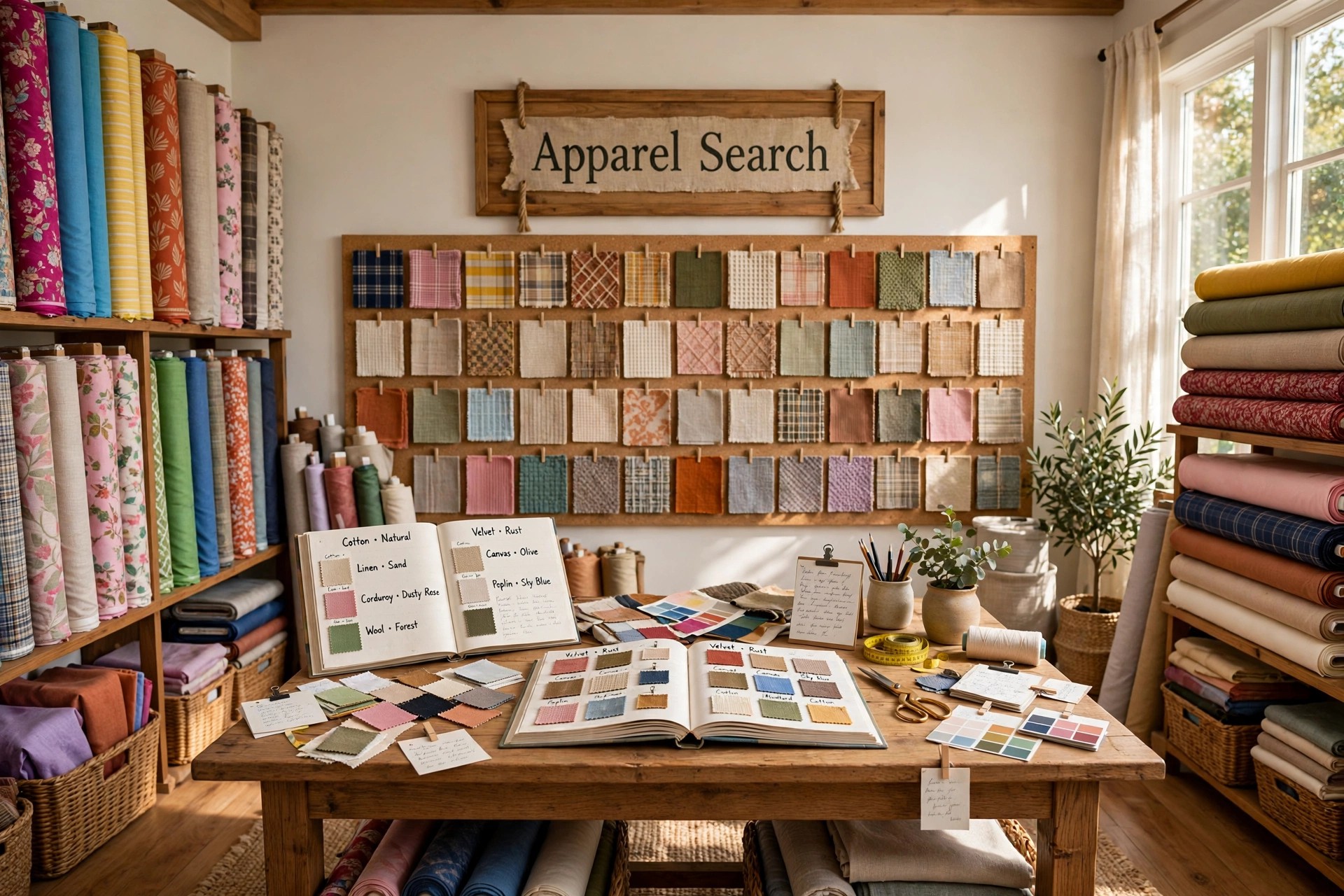
Selling Cloth: Mills, Converters and Customers
Supply comes in two main shapes. Mills weave or knit fabric and sell their own production; converters buy greige (unfinished) cloth, dye, print and finish it to their own designs, and sell the finished article. A salesperson may represent either, or an importer bringing cloth from overseas mills. The customers are garment factories buying for confirmed programmes, brands developing next season's ranges, and smaller makers buying stock cloth for immediate production — three tempos of business that the seller must serve without confusing their terms.
The selling unit is the roll and the yard (or metre), priced against width, weight and construction. A fabric that looks cheap per yard may be expensive per garment if it is narrow or wasteful in the lay, and experienced buyers calculate in those terms instinctively. The textile salesperson who can talk cost-per garment, marker efficiency and expected shrinkage as fluently as colour and hand-feel earns a technical credibility garment sellers rarely need.
Sampling, Specifications and Honest Claims
Fabric is sold from swatches and sample lengths. The salesperson manages swatch cards, hangers and sample yardage, sends them against specific enquiries, and follows each sample because an unanswered sample is a dead order. Behind the swatch sits the specification: fibre content, yarn counts, weave or knit structure, finished width, weight, colourfastness, shrinkage and any performance finish — and the seller must know which of those the mill can guarantee in bulk, not just in the sample the customer approved.
Bulk-versus-sample disputes are the trade's classic wound: cloth that arrives softer, darker or lighter than the approved swatch stops a customer's production line. Good textile sellers prevent them with lab dips, strike-offs for prints, and honest tolerance conversations before the order, then stay involved through production so a dye-lot problem is telephoned through early with options, not discovered at the cutting table.
Minimums, Lead Times and the Production Calendar
Fabric carries minimums garment sellers never meet: minimum yardage per colour for dyeing, per print for screens or rollers, and surcharges for falling short. Lead times stretch from days for stock cloth to months for woven-to-order qualities, and they must be woven into the customer's garment calendar backwards from the store delivery date. The salesperson's planning skill is aligning those clocks — advising a brand when its fabric decision is the real deadline, long before sewing begins.
Seasonality exists here too, one step earlier than in garments: mills and converters present fabric collections ahead of garment ranges, at textile fairs and in customers' development rooms, because designers need cloth before they can design. A development success — a fabric adopted into a brand's range — may not become yardage for two seasons, so textile sellers carry a longer pipeline, and a longer memory, than most of the trade.
Skills, Qualifications and Career Path
Employers look for textile knowledge before general selling polish: fibres and yarns, woven and knitted constructions, dyeing, printing and finishing routes, and the testing vocabulary of fastness, shrinkage and weight. Much of it is learned inside mills and converters, in technical or sampling departments, or through textile courses at fashion schools; the education and careers links below are a starting point. Numeracy means comfort with yardage, widths, conversions and margin per metre.
Progression leads to the major brand and factory accounts, to representing mills in whole territories, and into textile sales management. The neighbouring Fabric and Textiles Sales page under F covers the garment-trade end of fabric selling; this page stays with the mill-and-converter business itself. Either way, the asset that compounds is the same: customers who trust the seller's word about what a cloth will do.
Fairs, Development Rooms and Long Pipelines
Much textile selling begins far from any order book, at fabric fairs and in brand development rooms, where next year's garments are still sketches. The salesperson presents new constructions, finishes and print bases to designers and fabric teams, knowing most developments will die before production and a few will become the yardage that defines a year. Managing that funnel — logging every development, its target garment, its testing stage and its decision date, then visiting at the moments decisions actually happen — is a discipline of patience and records. It also explains the trade's long relationships: a fabric adopted this year may reorder for five more, and the seller who nursed it through development owns a trust no competitor's cheaper imitation easily displaces.
Common Questions
What does a textile salesperson sell, and to whom?
Fabric — woven and knitted cloth from mills, converters and importers — sold by yardage to clothing manufacturers, brands and makers, from swatches and specifications, against minimum quantities and production lead times.
How is textile sales different from garment sales?
The product is material, not finished clothing: pricing is per yard against width and construction, quality is defined by specification and bulk consistency, and orders run a season ahead of garment selling because cloth must exist before garments can be designed and cut.
What technical knowledge does textile selling need?
Fibres, yarns, weave and knit structures, dyeing, printing and finishing, plus width, weight, shrinkage and colourfastness specifications — enough to guarantee what bulk production will match from an approved sample.