Women's Soccer Shoes Guide
Soccer shoes are the whole footwear category for the game — studded cleats for grass, turf shoes for artificial surfaces, and flat indoor shoes for courts.
Shop Women's Soccer Shoes Now
Shop Women's Soccer Shoes on Amazon Shop Women's Soccer Shoes on eBayThe Amazon and eBay links on this page are affiliate links. If you make a purchase through them, Apparel Search may earn a commission.
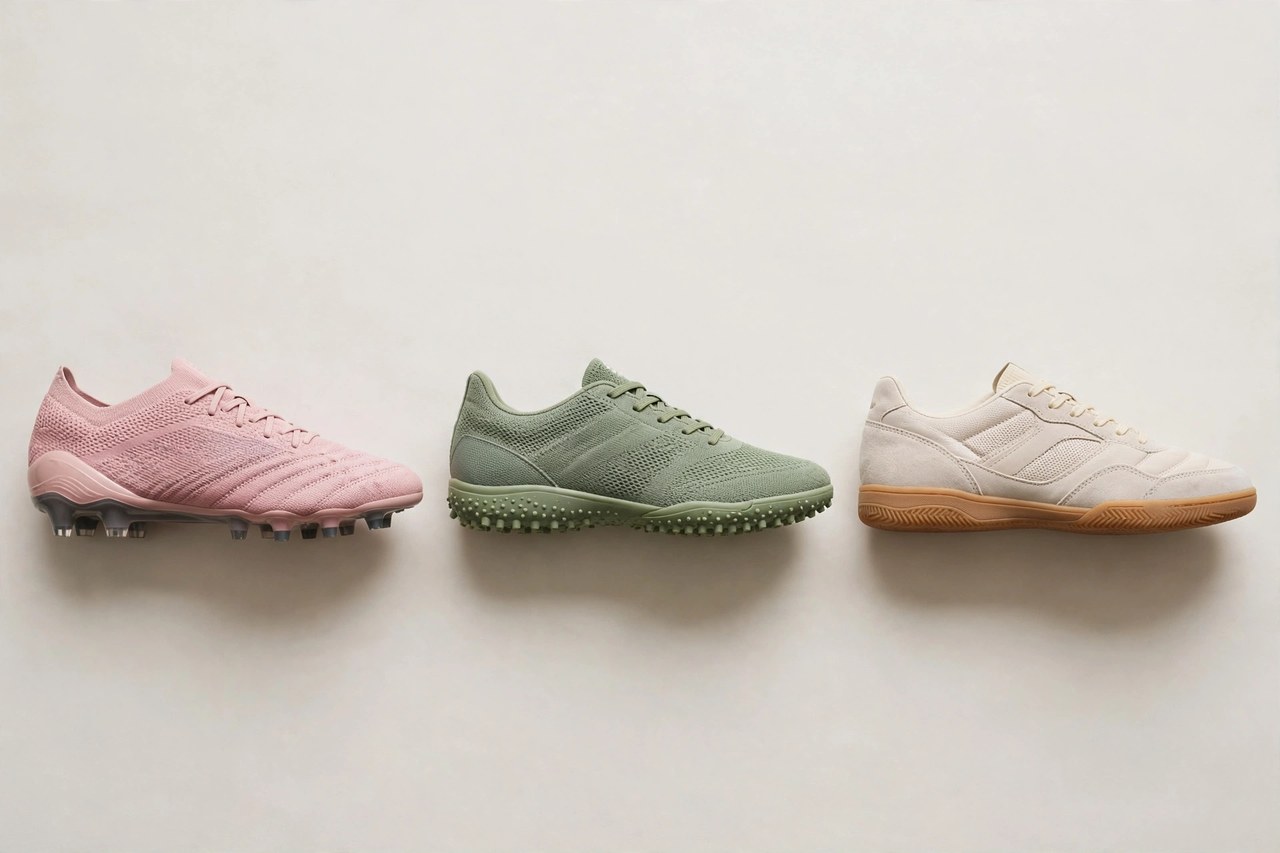
Soccer shoes name the whole footwear category of the game. This type of footwear is referenced as a football boot in some countries; in the United States the terms cleats and soccer shoes are used almost interchangeably, which hides a real distinction this page exists to make. Shoes intended for playing soccer on grass have studs on the outsole to assist with traction or grip on the field of play — but a large share of soccer is now played on artificial turf and indoor courts, where studs are the wrong equipment entirely.
The studded cleat itself, its stud shapes, plates and rules, is covered in depth on the soccer cleats page here. This guide takes the category view: how to match shoe type to surface, which is the first and most consequential soccer footwear decision, and what turf and indoor shoes do differently with their soles, uppers and cushioning.
Three Soles for Three Surfaces
Grass cleats carry molded or screw-in studs, as the cleats page details, and belong on natural grass only. Turf shoes replace the studs with dozens of short rubber nubs spread across the sole, gripping artificial turf and hard, dry ground without digging in; they double as training shoes and are the most versatile purchase for players whose soccer happens on mixed modern surfaces. Their lower profile also spares knees the twisting grip that long studs exert on unforgiving ground.
Indoor soccer shoes finish the set: flat gum-rubber soles, like a court trainer's, patterned for grip on wood and sport court floors, with suede or leather toe guards for the toe-pokes and drags of the indoor game. Playing indoors in cleats damages the floor and the player, and playing on grass in indoor shoes is a slide waiting for a moment. Surface first, style second: that order, repeated, is the whole category in one sentence.
Uppers and Cushioning Away From Grass
Turf and indoor uppers borrow the cleat world's materials — leather for touch and molding, synthetics for lightness — and add their own priorities. Indoor shoes reinforce the toe and inner forefoot heavily, because the small-sided game strikes and drags there constantly. Turf shoes often carry a slightly more cushioned midsole than grass cleats, since artificial surfaces over concrete return more impact to the legs over ninety minutes than grass does.
Popular sporting brands such as Nike, adidas, Puma and Under Armour maintain full ladies' collections across all three sole types, usually as matched lines sharing an upper design across cleat, turf and indoor versions. That system helps a player who trains indoors and plays outdoors keep the same fit and touch in both shoes. A local shoe store's staff can guide on comfort, performance and materials for your actual surface mix — still the fastest way to get this choice right.
Choosing by Your Real Playing Mix
Start from where you actually play. A league player on grass needs the cleat first and treats turf shoes as the training extra. A recreational player on artificial turf and hard ground may never need studs at all, and a turf shoe will serve every game she plays while being kinder to her joints. A futsal or indoor league player needs the flat shoe, and only the flat shoe. Buying in that order prevents the classic error: expensive grass cleats worn twice, and every other game played in the wrong sole.
Fit follows the cleat rule with one relaxation. Turf and indoor shoes can fit a fraction more generously than grass cleats, because the striking precision demand is lower and training volume is higher, but the heel must still hold and the toes must not strike the end on a stop. Try them in soccer socks, on a hard floor, with a few sharp cuts: the nubbed turf sole should grip without catching, and the indoor sole should grip without squeaking into a slide.
Care Across the Category
All soccer shoes share the same enemies: heat, damp storage and dried mud. Air dry every pair away from radiators and direct sun, stuff grass shoes with paper after wet games, and knock soles clean after play so nubs and studs keep their edges. Rotate turf and indoor pairs if you train several times a week, letting midsoles recover, and keep indoor soles for indoor floors only — a gum sole worn on concrete and gravel loses the clean grip it was bought for.
Inspect soles as you clean them. Worn-smooth turf nubs, cracked indoor rubber and loosened screw-in studs all announce themselves early to anyone looking, and each is cheaper to address than the turned ankle that follows ignoring it. Soccer footwear is replaced by condition, not by season: when the sole that matches your surface no longer grips it, the shoe is done, however handsome its upper remains.
Related Women's Guides
More to Explore on Apparel Search
Looking for Women's Clothing Stores?
This guide helps you choose women's soccer shoes. To browse where to buy, visit our women's clothing store directory, where you can find retailers that carry them.