Kidswear Sales Job Description
Selling infants' and children's clothing lines — age-band sizing, safety-first product and gift-driven seasons
Kidswear sales means representing infants' and children's clothing lines to the retailers who sell them: children's departments in department stores, children's specialty chains, independent kids' boutiques and gift shops, and online children's retailers. The specialist angle is the customer structure. The wearer never buys, rarely chooses, and outgrows everything — so the salesperson sells to buyers who think in age bands and growth rates, in school calendars and gift occasions, and in product safety standards that are stricter for children's garments than for anything adults wear. It is apparel selling rebuilt around small sizes, fast size turnover and absolute product trust.
More Sales & Selling Job Descriptions by Letter:
Age Bands, Size Ranges and the Assortment
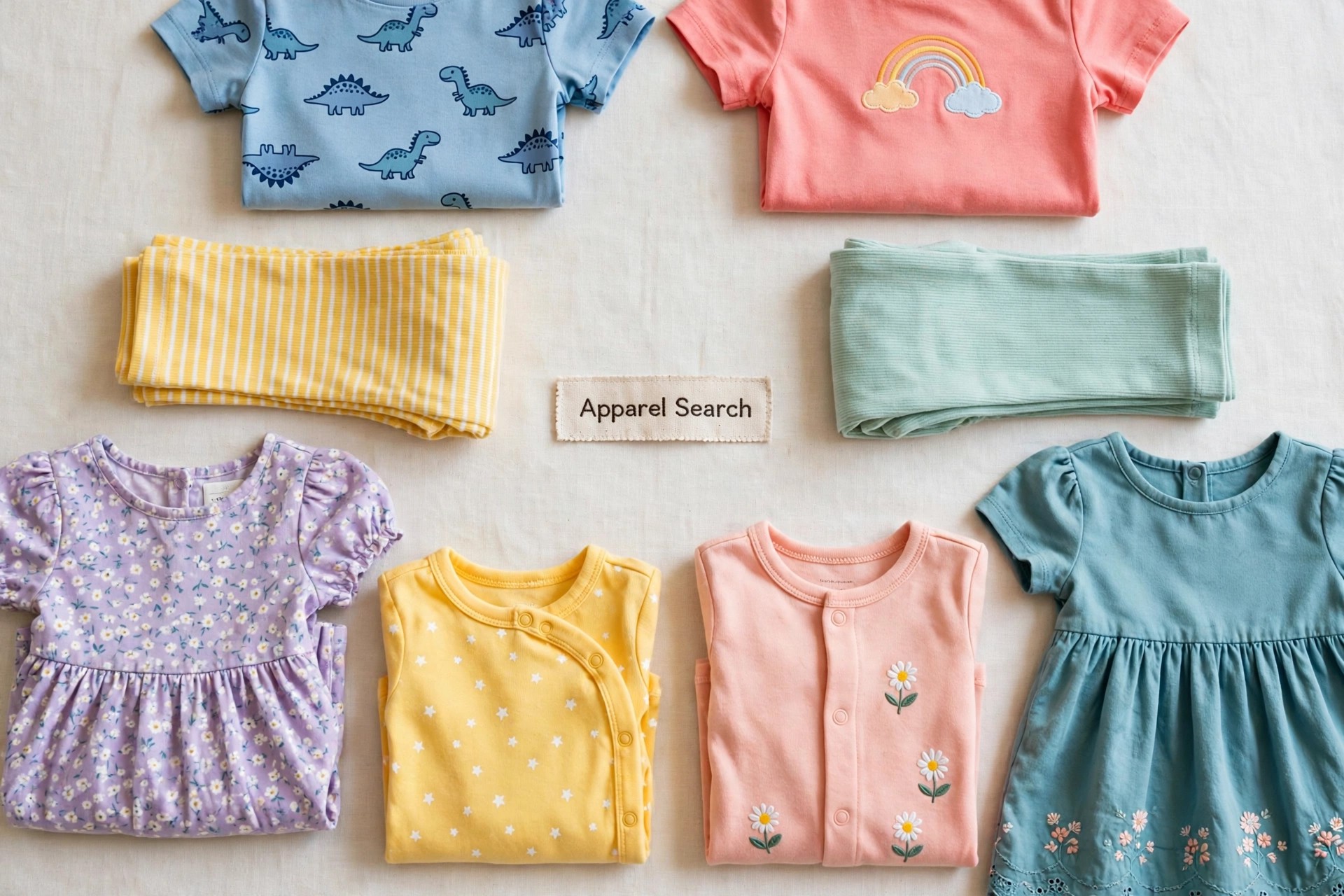
Children's lines are organised by developmental stage, and the salesperson must command all of them: layette and newborn gifts, infants in their month sizes, toddlers, the younger children's ranges and the older boys' and girls' sizes up to the edge of adult smalls. Each band has its own garment logic — snap and envelope-neck convenience in layette, reinforced knees and adjustable waists in toddler and school-age ranges, styling that tracks adult fashion, at a distance, for older kids. Presenting a line means walking the buyer band by band, because most accounts buy some bands deeply and others not at all.
Assortment planning turns on growth and replacement. Children wear out and outgrow on a schedule adults do not, so basics — underwear, sleepwear, school uniform pieces, play clothes — carry a replenishment rhythm closer to consumables than to fashion. The salesperson helps buyers set size curves per band, knowing that the middle sizes of every band sell first and deepest, plans the gift assortment separately from the wear assortment, and keeps multipacks and value sets priced where the children's department's architecture needs them.
Safety, Standards and Product Trust
Children's apparel is the most regulated clothing a salesperson will ever handle. Sleepwear flammability rules, drawstring restrictions, small-part and button security, lead and phthalate limits in trims and prints, and labelling requirements all shape what may legally be sold, and they differ between infants' and older children's product. The kidswear salesperson is expected to know the standards their line is built to, to answer a buyer's compliance questions on the spot, and to treat any safety question from an account as the highest-priority follow-up in the job — because for the retailer, a children's product recall is a trust catastrophe, and the brands that survive them are the ones whose sales teams took the paperwork seriously beforehand.
That trust shapes the whole sale. Buyers for children's departments are loyal to suppliers whose quality is boringly consistent: seams that survive playground wear and repeated washing, colourfastness, snaps and fastenings that stay attached. The salesperson sells durability evidence — wash-test results, return rates, construction details — as seriously as styling, and reports fit and quality complaints from accounts back to the product team faster than in any adult category, since the wearers cannot describe the problem themselves.
Seasons: School, Holidays and Gifts
The kidswear calendar is ruled by events in children's lives. Back-to-school is the category's second Christmas: uniform and school-approved pieces, shoes-adjacent basics, backpacks-season separates, all delivered against a hard late-summer deadline that no late shipment survives. The holiday season splits between dressy occasion outfits — bought early, often by gift-givers — and the gift trade in layette and newborn sets that runs all year on baby showers and births. Spring brings communion, celebration and warm-weather play ranges; outerwear and holiday dress anchor the autumn buy.
Gift buying changes the sales conversation. A large share of infants' and better children's clothing is bought by grandparents and family friends who want the purchase to look generous, so packaging, gift sets and presentation are genuine selling points the salesperson presents as part of the product, not an afterthought. Accounts plan their gift assortments months ahead, and the representative who helps a buyer balance the wear range against the gift range — different price points, different margins, different customers in the same department — becomes the line's fixture in that store's season planning.
Skills, Qualifications and Career Path
Employers look for apparel sales experience plus category fluency: the age-band structure, the safety standards, the school and gift calendars, and a feel for how parents and gift-buyers actually choose. Patience and precision matter more than showmanship — children's buyers run detail-heavy departments with tight open-to-buy, and they reward representatives whose size curves, delivery promises and compliance answers are exact. Many kidswear specialists arrive from children's retail departments, where fitting and advising parents teaches the bands from the customer's side.
Progression leads to larger children's accounts and key-account responsibility for the specialty chains, to children's division sales management, or into the wider world of children's products. The role sits close to, but distinct from, the broader children's department selling covered by the childrenswear sales page elsewhere in this directory: that page treats the children's department business as a whole, while this one is the specialist infants-and-kids line role — the pair are flagged here rather than merged, because employers advertise and hire them as separate specialisms.
Common Questions
What does a kidswear salesperson sell?
Infants' and children's clothing lines to children's departments, specialty chains, boutiques and online children's retailers — across the age bands from layette and newborn through toddlers to older boys and girls, including basics, school ranges, occasion outfits and gift sets.
Why is product safety such a large part of kidswear selling?
Children's garments carry stricter rules than adult clothing — sleepwear flammability, drawstring limits, small-part security and substance restrictions. Buyers expect the salesperson to know the standards the line meets and to answer compliance questions precisely; a children's recall damages retailer trust like nothing else.
How is kidswear sales different from childrenswear department sales?
The roles overlap and are flagged rather than merged. Childrenswear sales covers the children's department business broadly; the kidswear role is the specialist line position built around the infant and kids age bands, their safety standards and the school, holiday and gift seasons.