Women's Plus Size Underwear Guide
Plus size underwear in sizes 14W and up is a product choice about rise, waistband construction, leg elastic and breathable fabrics that stay comfortable and in place all day.
Shop Women's Plus Size Underwear Now
Shop Women's Plus Size Underwear on Amazon Shop Women's Plus Size Underwear on eBayThe Amazon and eBay links on this page are affiliate links. If you make a purchase through them, Apparel Search may earn a commission.
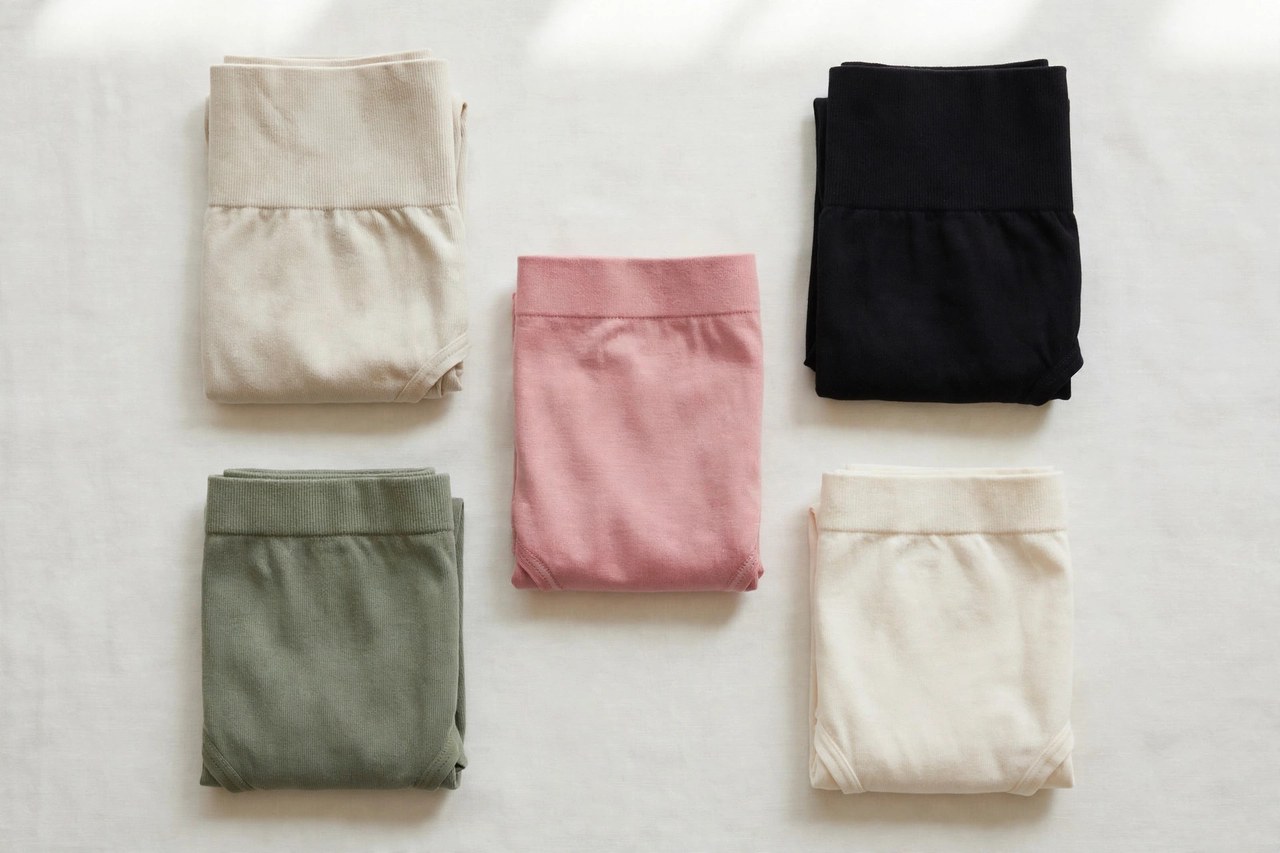
This guide treats plus size underwear strictly as a garment product: cuts, rises, waistbands, leg finishes, fabrics and sizing for sizes commonly labeled 8 to 16 in underwear sizing, corresponding roughly to clothing sizes 14W through 32W and beyond. The right pair is defined by measurable construction, a waistband that stays at the waist, leg openings that lie flat without cutting in, full seat coverage that does not shift, and fabric that remains comfortable through a full day of sitting, walking and temperature changes indoors and out.
Underwear sizing does not match clothing sizing, and plus ranges vary by brand, so this guide emphasizes hip measurement and construction checks over label numbers. It covers the main styles sold in plus sizes, how waistband and leg elastic quality shows in the product details, which fabrics suit everyday wear, sensitive skin and active days, and how laundering affects elastic life. A drawer built on two or three proven styles in the correct size is simpler and more economical than a drawer of assorted bargains that each fail in a different way by midday.
Styles and Rise: Briefs, Hipsters and Boyshorts
Full briefs have the highest rise, a waistband at or near the natural waist, and the fullest seat coverage, which many plus shoppers prefer under dresses and higher-rise trousers because the waistband aligns with the clothing waistband and stays put. Hipsters sit lower on the hip with wider side panels and suit mid-rise pants. Bikini styles sit lower with narrower sides and higher leg openings. Boyshorts extend down the upper thigh with a short leg, reducing leg-opening lines under fitted clothing and providing coverage under shorter skirts on windy days or when sitting.
Rise should be chosen with your trousers and dresses, not in isolation. Measure your preferred rise on a well-fitting pair of pants and match the underwear rise so the waistband neither peeks above nor folds below the clothing waistband. Seat coverage is the second check: quality plus patterns grade the seat fuller in proportion to the hip, so fabric covers without creeping during walking. If a style consistently shifts, the usual causes are a size too small, worn leg elastic, or a rise mismatched to your proportions, each fixable by changing size or style rather than tolerating daily discomfort.
Waistbands, Leg Elastic and Construction Details
The waistband does most of the staying work. Covered elastic bands wrapped in fabric feel softer and distribute pressure over a wider area, while narrow exposed elastic can roll or dig, especially at a fuller waist. Wider bands, around three-quarters of an inch to an inch, resist rolling best. A waistband should stretch to your hip measurement with firm recovery and lie flat after you sit and stand repeatedly. Seams at the sides should be smooth, and labels should be printed or placed where they will not irritate skin at the back waist during a long day of wear.
Leg openings use either elastic edging or self-fabric bands. Elastic edging gives a firmer hold and a cleaner line under trousers; fabric bands feel softer and are often preferred for sleep or sensitive skin, though they hold less firmly under fitted clothing. Check the gusset: a cotton-lined gusset is the standard comfort and hygiene feature, and it should be fully attached or attached at both ends rather than left as a loose flap that bunches. Flat seams throughout reduce friction, and consistent stitching without skipped threads signals a pair that will survive regular laundering without the elastic separating from the fabric early.
Fabrics: Cotton, Microfiber and Moisture Management
Cotton and cotton blends are breathable, soft and the everyday standard, especially with a few percent spandex for recovery across the hip and seat. Pure cotton without stretch can bag during the day. Microfiber nylon or polyester blends feel smooth, show fewer lines under fitted clothing, dry quickly for travel, and hold elastic tension well, though they breathe less than cotton in hot weather. Modal blends are notably soft and smooth with good drape, popular for sensitive skin. Lace-trim styles use stretch lace at the waist or leg for a smooth finish; quality stretch lace lies flat and does not scratch, while stiff lace is a defect to avoid at any price.
For active days, moisture-wicking synthetic styles move perspiration away from the skin and dry between activities, and they are sold in the same plus size ranges as everyday styles. Whatever the outer fabric, a cotton gusset lining remains the common recommendation for daily wear. Consider keeping two fabric groups in the drawer, breathable cotton or modal for most days and smooth microfiber for fitted outfits and travel, rather than expecting one fabric to excel at every job. Multipacks are economical for restocking a proven style, but buy a single pair first when trying a new brand, because plus underwear fit cannot be judged reliably from the package size chart alone.
Sizing by Measurement, Multipacks and Care
Size underwear by your full hip measurement in inches matched to the brand chart, not by your dress size. Plus underwear charts commonly run in their own numbering, and the same hip measurement can map to different numbers between brands. If you are between sizes, most fitters advise sizing up for briefs and hipsters, since an undersized pair rolls at the waistband and cuts at the leg, while a slightly generous pair in a good fabric stays smooth. Keep a note of the brand, style name, underwear size and hip measurement for every style that works, and reorder from that note instead of re-deciding in the store each time you need to restock basics.
Laundering decides elastic life. Wash in cool or warm water, avoid high dryer heat which degrades spandex and waistband elastic, and consider a mesh laundry bag for lace-trim and microfiber styles to prevent snagging. Replace pairs when the waistband stays stretched after washing, leg elastic ripples, or fabric thins at stress points; stretched underwear cannot be restored by washing. Restock on a regular cycle rather than all at once so the drawer always contains pairs at different wear stages. With the right rise, band and fabric for your clothing, plus underwear becomes a solved, repeatable purchase instead of a recurring frustration with every new multipack.
Related Women's Guides
More to Explore on Apparel Search
- Plus Size Clothing
- Plus Size Clothing Stores
- Shop for Plus Sizes
- underwear glossary
- Women's underwear
- Plus Size Intimate Apparel
- Plus Size Intimates
- Plus Size Lingerie
- Women's Thong Underwear
- Women's Hipkini Underwear
- Women's Cotton Underwear
- Organic Cotton Underwear
- Women's Long Underwear
- Boyshorts Underwear
- Boy Leg Underwear
- Women's Briefs
- Women's G-string Underwear
- Knickers
- Women's Low Rise Underwear
- underwear definition
- fashion
- trendy
- stylish
- plus size fashion model
- plus size fashion definition
- Clothing Stores
- Fashion Designers
- Popular Brands
- Apparel
- Women's Clothing Stores
- Women's Clothing Wholesalers
- Women's Fashion
Looking for Women's Clothing Stores?
This guide helps you choose women's plus size underwear. To browse where to buy, visit our women's clothing store directory, where you can find retailers that carry them.