Brioni
Fashion Definitions — fashion brand profiles from Apparel Search
Search Apparel Search
At a Glance
Definition: Brioni is an Italian high-fashion tailoring house founded in Rome in 1945, known for luxurious hand-finished suits made for an elite international clientele.
Pronunciation: bree-OH-nee
Category: Fashion Definitions
Word Origin
The company took the name Brioni from the resort of that name on the coast of the Adriatic Sea.
Brioni is a high-fashion clothing company founded in 1945 by master tailor Nazareno Fonticoli and fashion designer Gaetano Savini. The two opened their first suit shop on Rome’s central Via Barberini just after the close of the Second World War, and from the beginning Brioni suits were luxuries only the privileged few could afford — above all, Europe’s wealthy aristocrats. What turned a Roman tailor’s shop into an international name was presentation: a first fashion show at the Palazzo Pitti in 1952, American tours, and suits seen on film stars and, from 1995, in James Bond films. The profile below follows the original account of the house, one of the tailoring names listed in Brand Name Fashions.
Palazzo Pitti and the American Market
Brioni’s first fashion show was held in 1952 at the Palazzo Pitti, and it gained the company exposure to clients worldwide. In the 1950s, as Rome became a popular holiday spot for wealthy Americans, celebrities began buying their suits from Brioni; the original profile names Clark Gable, Gary Cooper, John Wayne, Kirk Douglas and Rock Hudson among its clients, and notes that Brioni suits have appeared in a number of James Bond films since 1995 and that the house was a favourite of real estate mogul Donald Trump.
In 1954 Brioni held a fashion show in New York City, followed by shows in eight other American cities, and that year opened new shops on both sides of the Atlantic. Its New York showrooms stood on 52nd Street and 57th Street in Manhattan — turning visiting buyers into a permanent market.
Hand-Sewn in Abruzzo
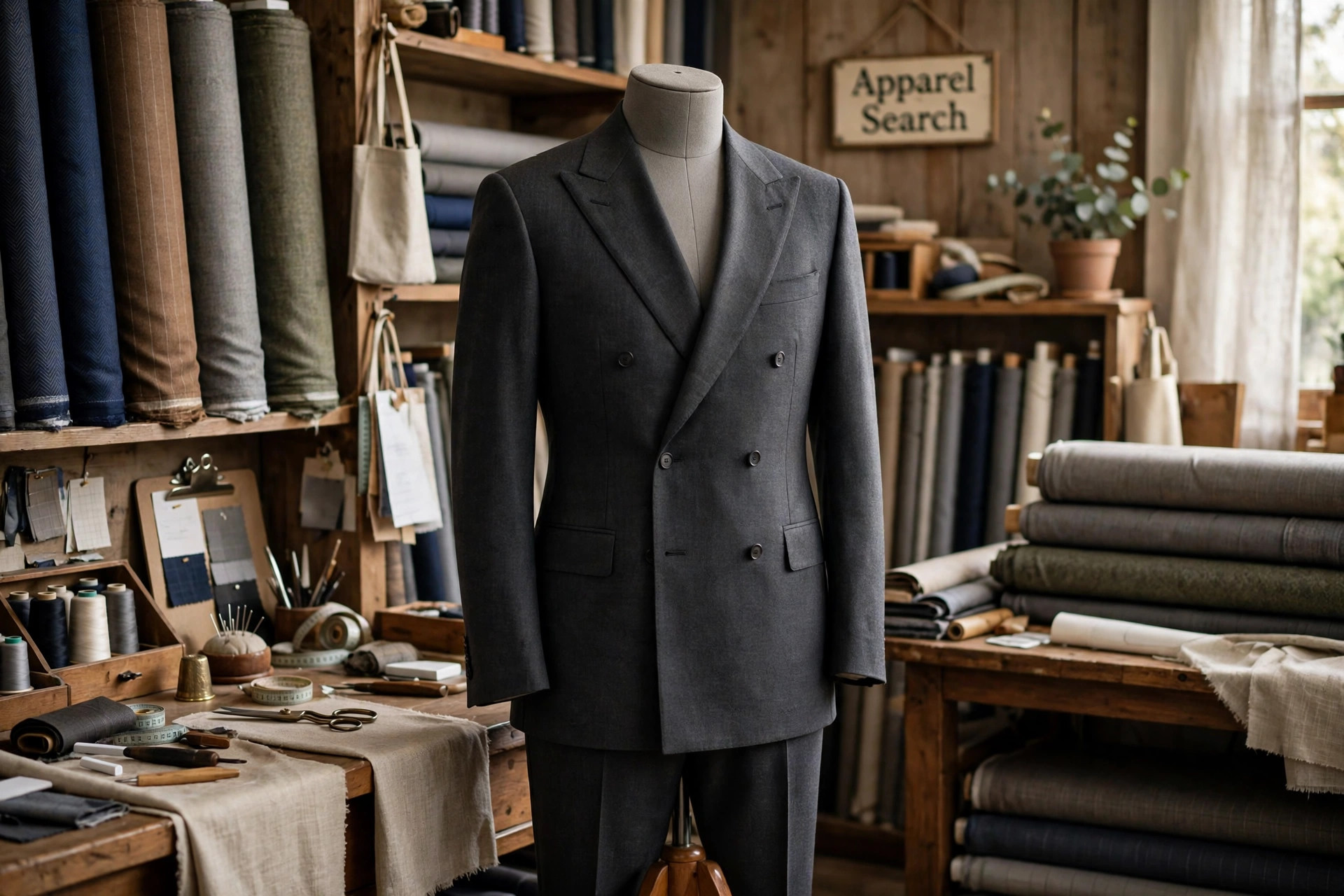
To meet the demand of so large a clientele, Brioni opened a factory in Abruzzo, Italy, where expert tailors hand-sew jackets and trousers before the finishing touches are added by machine. Hand sewing keeps the shaping and assembly in human hands, allowing softer structure and adjustments during construction rather than only at the end. The company also owned a shirt factory, a leather fashion house and a line of women’s clothing.
The original profile’s figures give the scale: 900 tailors creating 200 models in different styles and sizes every year, with a quarter of production made up of made-to-measure suits for an elite of 25,000 customers; each garment requiring at least 18 hours of work; and more than 5,000 different fabrics to choose from — the customer’s choice of cloth becoming a genuine design decision. It was even rumoured that a Middle Eastern sultan once ordered 100 suits in a single month. Prices in the original, mid-2000s account ran from US$3,600 to $5,500 for ready-to-wear suits and from $4,000 to $24,000 for custom tailoring, and Brioni also offered a line of clothing sold exclusively through Neiman Marcus.
Common Questions
Who founded Brioni, and when?
Master tailor Nazareno Fonticoli and fashion designer Gaetano Savini founded Brioni in 1945, opening their first suit shop on Rome’s Via Barberini after the Second World War.
Where does the name Brioni come from?
The company was named Brioni after the resort of that name on the coast of the Adriatic Sea.
Where was Brioni’s first fashion show?
At the Palazzo Pitti in 1952. The show gained the company exposure to clients worldwide; shows in New York and eight other American cities followed in 1954.
How are Brioni suits made, and what did they cost?
At the Abruzzo factory, tailors hand-sew jackets and trousers before machine finishing, with at least 18 hours of work in each garment. In the original mid-2000s account, ready-to-wear suits ran US$3,600–$5,500 and custom-tailored suits $4,000–$24,000.