VP Licensing Job Description
Executive ownership of the licensing business — the deals, partners and royalty income that extend a fashion brand beyond its own factories
Licensing lets a fashion brand sell products it does not make: the name on sunglasses, fragrance, watches, home goods or children's clothing manufactured and sold by partner companies under licence, paying royalties for the privilege. The vice president of licensing owns that business as an executive — deciding which categories and territories the brand will license, choosing the partners trusted with its name, negotiating the agreements and royalty structures, and policing the quality of everything that reaches a shelf carrying the logo. It is a small-team, high-leverage role: a handful of well-built licences can return more profit, at far less risk, than a factory full of the company's own production.
More Miscellaneous Job Descriptions by Letter:
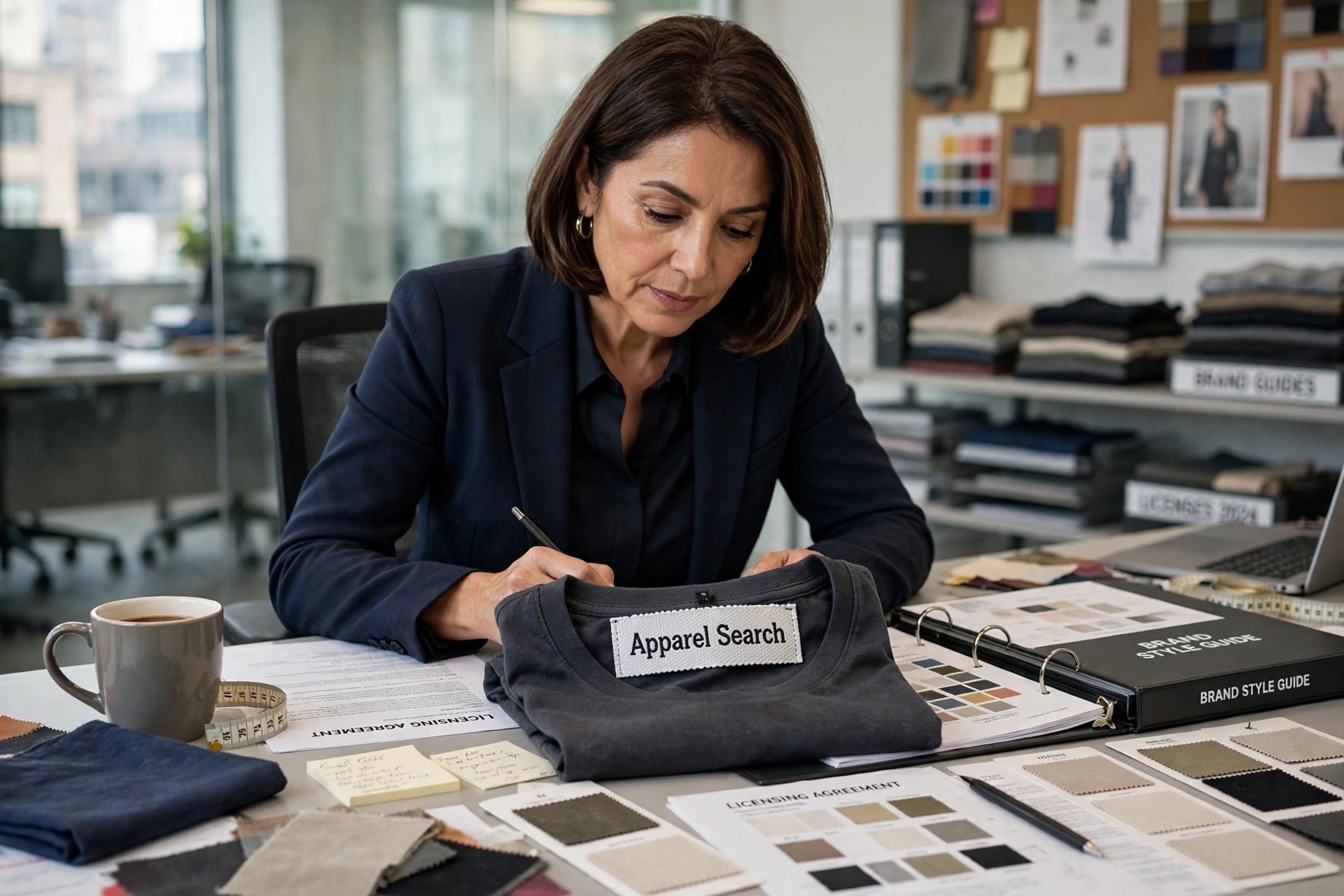
Licensing Strategy and Deal-Making
Strategy comes before signatures. The VP maps the brand's licensing potential category by category — which product areas the brand's image genuinely stretches to, which would cheapen it, which territories hold demand the company cannot serve directly — and builds a target portfolio balancing royalty income against brand risk. A licence is a loan of reputation: the income arrives quarterly, but a licensee's shoddy product damages an asset built over decades, so the strategy's exclusions matter as much as its ambitions.
Deal-making is the visible craft. The VP negotiates the agreement's commercial skeleton: the royalty rate on net sales, the guaranteed minimum payments that make the licensee commit, the term and renewal conditions, the territory and channels permitted, and the approval rights the brand keeps over product, packaging and advertising. Prospective licensees are assessed like acquisitions — their manufacturing quality, distribution strength, finances and other brands — because the strongest royalty offer from the weakest operator is usually the most expensive deal on the table.
Managing Licensees and Protecting the Brand
Once signed, licensees are managed as a portfolio of businesses within the business. The VP reviews their sales and royalty reports, chairs business reviews comparing performance with the plan in each category, and operates the approval system — style guides issued, product samples and artwork submitted, approved or sent back — that keeps a licensee's sunglasses and a licensee's bedding recognisably the same brand. Underperforming licences are restructured, supported or, at renewal, taken back and re-placed; strong ones are extended into new categories and countries.
Protection runs alongside growth. The VP works with legal colleagues on trademark registration in licensed categories and territories, watches for counterfeit and grey-market goods that licensed partners often spot first, and coordinates enforcement. Royalty auditing belongs here too: verifying that reported sales are complete sales, through audit rights exercised professionally and periodically. These defences rarely appear in the role's glamorous descriptions, but the value of the entire licensing portfolio rests on the brand remaining exclusively licensable — a name anyone can use is a name nobody pays for.
Skills and Abilities the Role Requires
Commercial negotiation is the headline skill, exercised on contracts whose consequences run for years: royalty structures, guarantees, exclusivity and exit terms all priced and traded against each other. Brand judgement is its equal — an instinct, backed by market knowledge, for which extensions strengthen a fashion name and which dilute it — along with the financial literacy to model a licence's worth and read a licensee's accounts for early signs of trouble.
Relationship management differs from ordinary account work because the licensee is simultaneously customer, partner and tenant of the brand: close enough to support, firm enough to refuse a product that fails the standard. Legal literacy — not lawyer depth, but fluent command of intellectual property, contract structure and trademark practice — keeps negotiations and disputes in the VP's hands rather than counsel's. Fashion credibility underpins everything; licensees are apparel and product professionals who know within one meeting whether the person guarding the brand understands how their category is made and sold.
Qualifications, Experience and Career Path
VPs of licensing are built from the business side of fashion: licensing managers and directors who have run categories themselves, brand management, wholesale and business development roles, or the licensee side — where the view from the paying end of the royalty statement teaches what good licensors do. Legal and brand-protection backgrounds also feed the role when joined to commercial experience. Degrees in business, marketing or law are common; the decisive record is deals negotiated that performed, and brands that stayed valuable in the licensing market while they were guarded.
The structure beneath the VP explains the title's weight: licensing work is commonly organised as a ladder — assistant and coordinator handling approvals and administration, managers running categories day to day, a director overseeing the programme, and the VP owning strategy, the largest negotiations and the portfolio's results. Readers researching those supporting roles will find them in the licensing descriptions elsewhere in this directory's categories; this page covers the executive office at the top of that ladder. Beyond it lie senior vice president and president-of-licensing roles in large brand groups, general brand management, and consultancy for owners building a licensing programme from nothing.
Common Questions
What does a vice president of licensing do?
A VP of Licensing owns a fashion brand's licensing business: strategy for which categories and territories to license, selecting licensee partners, negotiating royalty rates and guarantees, managing licensee performance and product approvals, and protecting the trademark the whole business depends on.
How does a fashion licensing deal earn money?
The licensee manufactures and sells products under the brand's name and pays a royalty — a percentage of net sales — with guaranteed minimum payments agreed in the contract. The brand owner approves products and marketing, and audits reported sales.
How do you become a vice president of licensing?
By climbing the licensing ladder — coordinator and assistant roles on approvals and administration, licensing manager running categories, director overseeing the programme — or by moving across from brand management, wholesale or business development with a record of deals that performed.
More to Explore
- Fashion Employment Agencies
- Employment Search Engines
- Fashion Job Description Directory
- Fashion Directory
- Fashion Industry News
- Fashion Schools and Education
- Fashion Careers
- Apparel Industry Links
- Clothing Retailers
- Apparel Wholesalers
- Apparel Manufacturers
- Licensed Apparel Directory
- Licensing Agents
- Licensing Company Directory
- License by Fashion Brand
- License Apparel Designer Jobs
- Graphic Designers
- Merchandising
- Fashion Industry Artists Guide
- Cad Software
- CAD Services