Textile Machine Operators Job Description
Running the machines that turn fibres into yarn and yarn into fabric
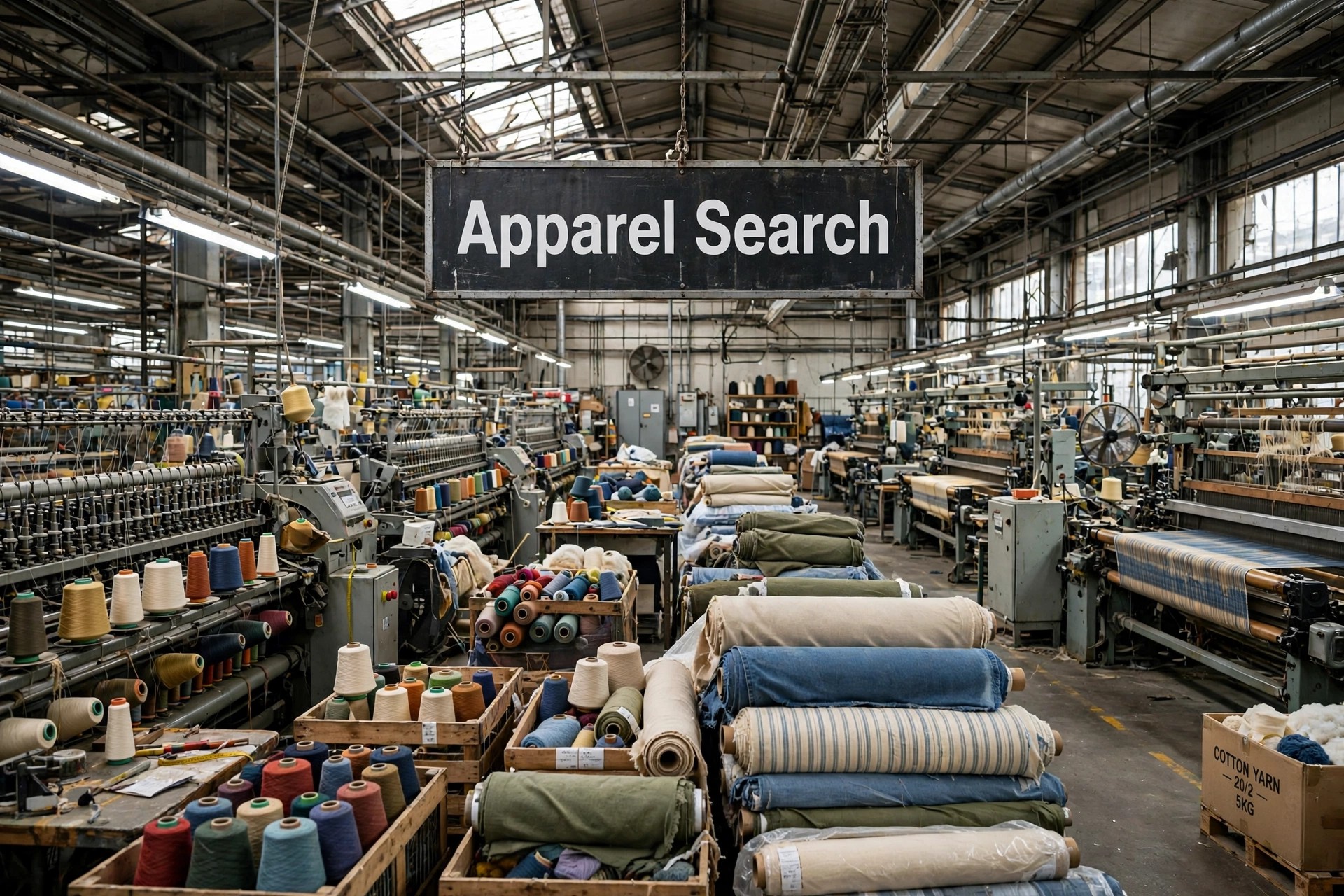
Textile machine operators run the machines that make textile products from fibres. Textiles are the basis of towels, bed linens, hosiery and socks and nearly all clothing — and they are also a key ingredient of products ranging from roofing to tires — so the occupation spans far more than fashion. The work is a sequence of machine stages: fibres are formed or prepared, cleaned and aligned, drawn out and twisted into yarn, and the yarn is woven, knitted or otherwise converted into fabric. Operators tend many machines at once, keep them fed, repair breaks as they happen, and watch the quality of everything that comes off them.
More Job Descriptions by Letter:
Start Here: Textile Machine Work
Making and Preparing Fibres: Extrusion, Carding and Combing
Manufacturing begins with the fibre itself. Extruding and forming machine operators, working with synthetic and glass fibres, set up and operate machines that extrude — force — liquid synthetic material such as rayon, fibreglass or liquid polymers out through small holes, drawing the streams out into filaments. The operator controls the conditions on which a filament's fineness and strength depend, and watches for breaks and imperfections at the very first stage of the chain, where a fault would otherwise travel through every product the fibre later enters.
Natural fibres arrive by a different route. Operators put cotton, wool, flax or hemp through carding and combing machines that clean the fibres and align them into short lengths called sliver. When sliver is produced, different types of natural fibres and synthetic filaments may be combined to give the product a desired texture, durability or other characteristics — blending at this stage is how a fabric's eventual handle and performance are first decided. The carding operator's judgement is tactile and visual: feedstock varies bale by bale, and the sliver must leave the machine even, clean and correctly blended.
Spinning the Yarn: Winding, Twisting and Drawing Out
Sliver is not yet yarn. Textile winding, twisting and drawing-out machine operators take the sliver and draw it out, twist it and wind it to produce yarn, taking care to repair any breaks. Drawing out attenuates the strand stage by stage; twisting gives it the strength to survive weaving or knitting; winding packages it onto the cones and bobbins the next process needs. Each stage runs at speed across long rows of spindles or positions, and the operator patrols them constantly — a broken end left running produces waste and tangles, and piecing up a break cleanly, without a thick place the fabric will show, is the spinner's core manual skill.
Yarn quality is decided in these rooms. Evenness, twist and strength are set by machine settings and by the operator's attention to feedstock and breaks, and faults here — slubs, thin places, mixed lots — become visible only later, in fabric, when they are expensive. Operators therefore work to counts and specifications, keep lots separate and identified, and record production and faults machine by machine, so that a fabric defect can be traced back to the yarn and the frame that made it.
From Yarn to Fabric — and the Operator's Working Round
Beyond spinning, other operator families convert yarn into fabric: knitting and weaving machine operators put yarn on machines that weave, knit, loop or tuft it into a product — woven fabrics for apparel and other goods, knitted products such as hosiery and tufted products such as carpeting emerging in near-finished form — repairing breaks in the yarn and monitoring the yarn supply while tending many machines at once. Cutting machine operators then trim fabric into the widths and lengths its intended use requires. Each family shares the occupation's common pattern: many machines, continuous patrol, breaks repaired the moment they occur, and supply kept ahead of the machines so none stands idle for want of material.
The working environment is the mill: large, noisy rooms of machinery running at speed, shift systems that keep expensive plant occupied around the clock, and work that is done standing and walking, round after round of the operator's assigned machines. Hearing protection, guarding discipline and care around moving parts are standing conditions of the job. It is also skilled work in a way output figures alone do not show — an experienced operator hears a machine's note change before its product shows a fault, and mills run on that ear as much as on the machinery.
Skills, Training and Career Paths — and Where Wet Processing Fits
Textile machine operators generally train in the mill, assigned first to one machine family under experienced operators and extending across families as their competence is recognised. Employers look for mechanical aptitude, sharp observation, the manual dexterity that piecing up and doffing demand, stamina for standing patrol work, and reliability on shift systems. Specialisation is normal — spinning, weaving, knitting and finishing machinery are distinct crafts — but operators who understand several stages are the ones who progress, because they can read a fault's origin rather than only its symptom.
Career paths run to senior operator and overlooker or technician roles — the people who set up machines, change them over between products and maintain their settings — and onward to shift supervision and mill production management, or across into quality control, where yarn and fabric fault knowledge is the qualification. One neighbouring occupation should be distinguished: the operators who wash, bleach and dye the yarn and fabric these machines produce are described on their own page in this section. Wet processing is a chemical craft of recipes and shade judgement, distinct from the mechanical machine trades covered here, and the two pages cross-link rather than duplicate each other.
Common Questions
What do textile machine operators do?
They run the machines that make textiles from fibres: extruding synthetic filaments, carding and combing natural fibres into sliver, drawing out, twisting and winding sliver into yarn, and — in the weaving and knitting families — converting yarn into fabric, repairing breaks and monitoring supply across many machines at once.
What is sliver, and why does it matter?
Sliver is the soft, aligned strand of fibres produced by carding and combing — the cleaned, ordered form in which fibres enter spinning. Its evenness and blending decide the yarn's quality, and blending natural and synthetic fibres at the sliver stage sets a fabric's texture and durability.
How does this occupation differ from bleaching and dyeing work?
Textile machine operation is the mechanical fibre-to-fabric sequence: forming, preparing, spinning and converting. Bleaching and dyeing operators run the wet chemical processes — washing, bleaching and colouring yarn and fabric — a separate page in this section.