Cushion Tire Pallet Trucks
Solid smooth tires for indoor warehouse floors — compact, puncture-free and built for smooth concrete.
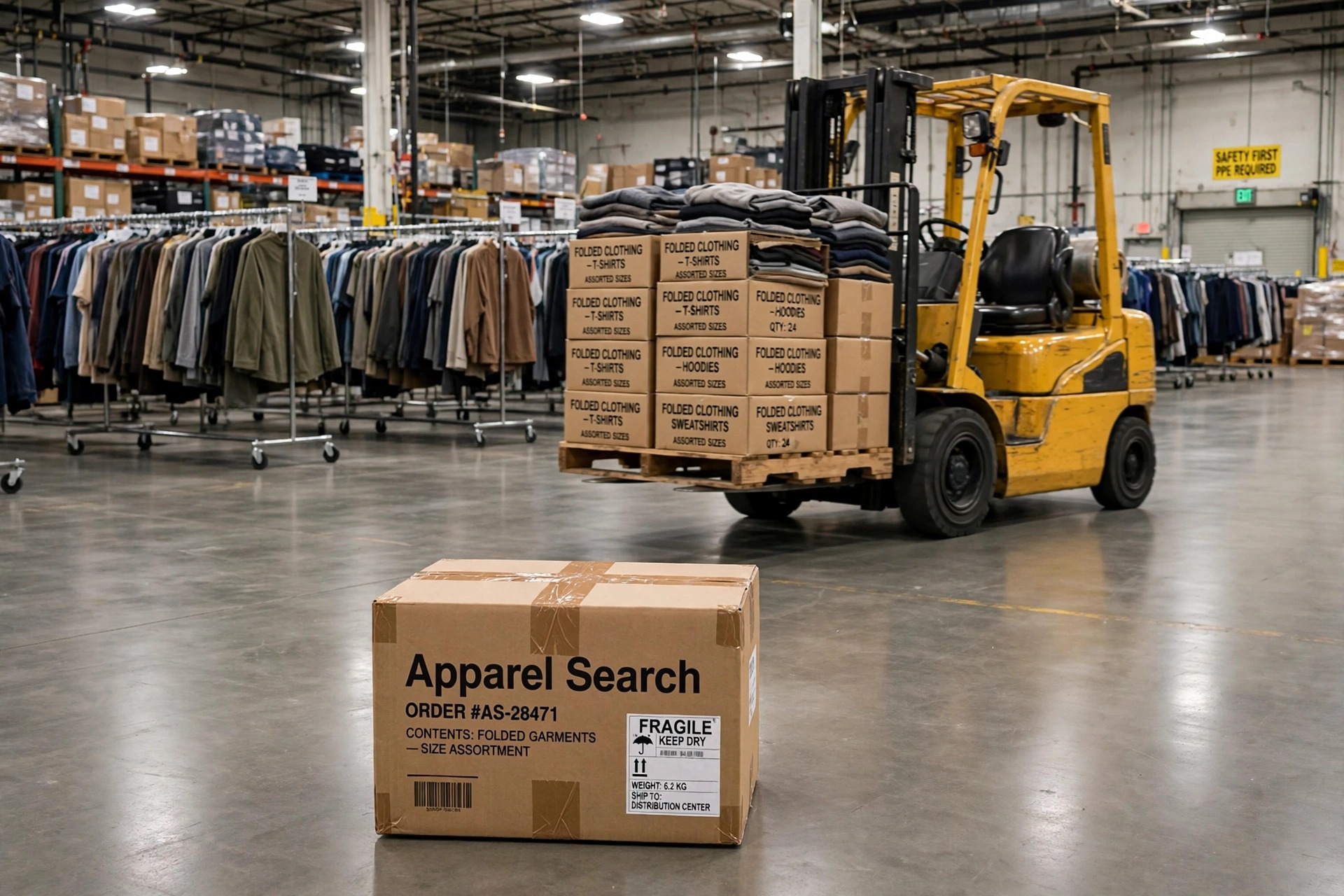
A cushion tire truck runs on solid, smooth rubber tires pressed onto its wheels — no air, no tread to speak of, and no punctures. Cushion tires are the indoor specialist of the forklift world: they are built for flat, smooth concrete inside warehouses and factories, where their small diameter lets the whole truck be shorter and turn in less space than an equivalent pneumatic tire machine. In a clothing warehouse, where floors are smooth, loads are moderate and space in the aisles is money, the cushion tire counter balanced truck is a natural fit for dock-to-rack work.
Fork Lift & Pallet Truck Types
- Counter Balanced Trucks
- Electric Rider Trucks
- Fork Lifts and Pallet Trucks
- Hand Pallet Trucks (Manual)
- Hand Pallet Trucks (Motorized)
- Narrow Isle Pallet Trucks
- Order Picker Trucks
- Pallet Trucks / Pallet Jacks
- Pneumatic Tire Truck
- Reach Trucks
- Side Loaders
- Stackers
- Stock Selectors
- Straddle Trucks
- Used Fork Lifts
What Cushion Tires Do Differently
Because a cushion tire is solid rubber bonded to a steel band, it can be much smaller in diameter than an air-filled tire carrying the same load. A smaller wheel means a lower, more compact truck with a shorter wheelbase, and a shorter wheelbase means a smaller turning circle — the truck can square up to a rack face or a trailer wall in aisles where a pneumatic tire truck would need extra room. Ground clearance, though, is minimal: the truck sits close to the floor it was designed for.
The trade-off is ride and terrain. With no air to absorb shocks, every dock plate edge, expansion joint and piece of debris is felt through the machine and the load, and the smooth tread has little grip on wet, rough or outdoor surfaces. Cushion tire trucks belong indoors on clean, level floors; taking one across a yard or a broken dock apron is hard on the truck, the operator and the cartons.
Most cushion tire trucks in apparel service are electric, with LPG models also common in larger distribution buildings. In industry class terms they are the Class IV trucks — cushion tire, internal combustion or electric — sitting between the electric riders of Class I and the pneumatic tire Class V machines.
Cushion Tires in Apparel Distribution
The apparel warehouse is almost the textbook cushion tire environment: smooth sealed concrete, palletized cartons, racking aisles, dock levellers bridging the gap to trailers. A cushion tire truck unloads a trailer, stages cartons, puts full pallets away and pulls outbound loads without ever needing to go outside. Keeping the floor swept matters — strapping offcuts, carton scraps and lint build-up are exactly the debris that makes a small solid wheel jar and skid.
Loads in fashion logistics are usually well inside cushion tire capacities, which commonly run from about 3,000 to over 10,000 pounds on larger models. The real limits are usually the building's: door heights, rack heights and the condition of dock boards. Because the truck sits low, check dock leveller lips and any ramps or floor slopes between warehouse zones before committing a cushion tire machine to a route.
Maintenance is one of the type's quiet advantages. There are no punctures to repair and no pressures to check; tires are replaced when they wear, chunk or flat-spot. Battery care on electric models and routine mast and fork inspection make up most of the running discipline.
Companies Supplying Cushion Tire Pallet Truck
Yale Materials Handling Corporation
Yale builds a full line of lift trucks including Class IV cushion tire trucks, within a range that also covers electric riders, narrow aisle trucks, motorized hand trucks and pneumatic tire models. The brand is part of the NACCO Materials Handling Group, which designs, engineers and manufactures the trucks and sells and services them through authorised Yale dealers across the Americas, Europe and Asia-Pacific.
Supplies: Class IV cushion tire lift trucks and a full line of warehouse trucks
Cushion Tire or Pneumatic Tire?
The choice is made by the floor, not the catalogue. If the truck will spend its life indoors on smooth concrete, cushion tires give a more compact machine that turns tighter and costs less to keep in tires. If the route includes yards, gravel, rough docks or steep ramps, the pneumatic tire page in this guide describes the right tool — its air-filled tires cushion the load and grip uneven ground, at the price of a larger truck.
Many larger apparel distribution centres run both: cushion tire electrics inside the building and pneumatic tire trucks on the yard and dock aprons, handing pallets over at the dock door.
Common Questions
Can a cushion tire forklift go outside?
Only across smooth, dry, paved surfaces for short distances, and it is not what the truck is built for. Cushion tires are solid and smooth, with low ground clearance and little grip on wet or rough ground. Regular yard work calls for a pneumatic tire truck, whose air-filled tires are designed for uneven outdoor surfaces.
Why do cushion tire trucks turn in less space?
The solid tire can be made much smaller in diameter than an air-filled tire of the same capacity, so the truck itself is shorter, with a shorter wheelbase. A shorter wheelbase turns in a smaller circle, which is why cushion tire trucks suit indoor aisles and trailer work where manoeuvring room is limited.
Do cushion tires puncture?
No. A cushion tire is solid rubber pressed onto a steel band, so there is no air to lose. The tires do eventually wear, chunk or develop flat spots and are then pressed off and replaced, but a nail or a shard on the warehouse floor cannot stop the truck the way it can stop a pneumatic tire machine.