Women's Dashiki Guide
West Africa's loose, joyful pullover: bold prints, an embroidered neckline, and a shape made for movement and celebration.
Shop Dashiki Now
Shop on Amazon Shop on eBayThe Amazon and eBay links on this page are affiliate links. If you make a purchase through them, Apparel Search may earn a commission.
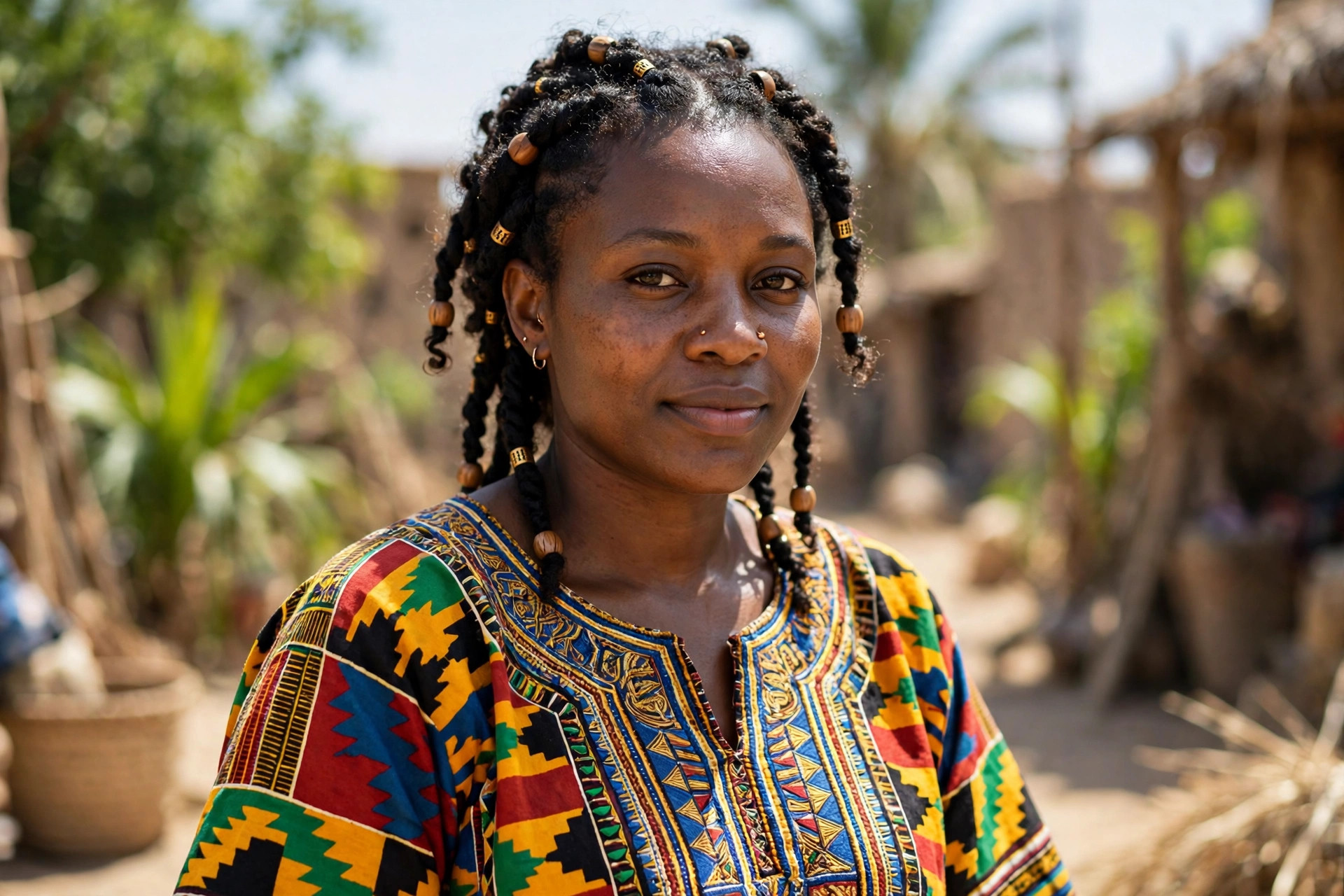
The dashiki is a loose-fitting pullover garment with roots in West Africa, recognised by its wide, flowing body, short to three-quarter sleeves, and an ornately decorated neckline. Its name traces to the Yoruba word danshiki, describing a work tunic, and related garments have been worn across the region for generations. In the twentieth century the dashiki travelled with the African diaspora and became an international symbol of African heritage and pride, worn at celebrations, worship, festivals and in everyday dress.
Shape and Construction
A classic dashiki is cut generously — a straight, roomy body that slips over the head, with wide sleeves and side openings that let the wearer move and stay cool in warm climates. The defining feature is the embroidered neckline and chest panel: geometric stitching in contrasting thread frames the V or round neck and often continues down the front and around the sleeve edges. Women's dashiki styles include tunic lengths worn with trousers or leggings, and full dress lengths cut as flowing gowns, sometimes shaped with a belt or drawstring while keeping the relaxed body.
Prints and Fabrics
Dashiki prints are bold by design: large-scale geometric and symbolic motifs in saturated colour combinations — gold, green, red, purple, royal blue and black are favourites. Many are printed in the wax-print tradition associated with West African textiles, where pattern carries energy and identity. Fabrics are most often cotton for breathability and print clarity, with rayon and cotton blends adding drape for dress styles. Formal dashiki in brocade or with dense metallic-thread embroidery are reserved for weddings and ceremonies, where matching outfits for couples and families — sometimes called family sets — are a cherished custom.
How the Dashiki Is Worn
The dashiki's ease is its styling freedom. Tunic dashiki pair with slim trousers, jeans or leggings and sandals or heels; dress dashiki stand alone with statement jewellery — beads, brass and carved pieces are classic partners — and a wrapped headscarf or gele for formal occasions. Because the print does the talking, accessories usually echo one colour from the pattern rather than competing with it. Matching dashiki for partners and children are popular for family photographs, church, naming ceremonies, weddings and cultural festivals, where coordinated dress expresses unity and celebration.
Care and Buying Well
Cotton dashiki are straightforward to care for: wash cold on a gentle cycle with similar colours — richly dyed prints can release colour in early washes — and dry in shade to protect the pattern. Embroidered necklines last longer when the garment is washed inside out and not wrung. When buying, look at the embroidery first: it should be dense, even and firmly attached, with the neckline lying flat. Print alignment at the side seams and generous, cleanly finished hems are the other marks of a dashiki made to be worn and kept, not worn out in a season.
Dashiki Prints: Reading Colour and Pattern
Part of the pleasure of choosing a dashiki is choosing its colours, because in West African dress, colour is worn expressively. Gold suggests wealth and celebration, green growth and renewal, red energy and occasion, purple and royal blue dignity and richness, and white purity for worship and ceremonies. Large medallion patterns centred on the chest make a formal statement, while all-over geometric prints read younger and more casual. Traditional Angelina-style prints — the ornate, symmetrical pattern most associated with the dashiki internationally — remain the classic choice for celebrations and family sets. When coordinating a family or couple's set, match the print exactly rather than approximately: the effect depends on the unity of the pattern across garments. For a single wearer, let one element lead — if the print is bold, keep jewellery sculptural and simple; if the dashiki is a solid colour with rich embroidery, the neckline is the jewel and needs no necklace at all. Either way, the dashiki is designed to be seen and enjoyed, never toned down into invisibility.
Common Questions
What is a dashiki?
A loose pullover tunic or dress originating in West Africa, recognised by its flowing body, wide sleeves and ornately embroidered neckline. It is worn by women and men for celebrations, worship, festivals and everyday dress.
What fabric are dashiki made from?
Most often cotton, including wax-print cotton, for breathability and bold colour. Dress styles may use rayon blends for drape, and formal ceremonial dashiki use brocade or heavily embroidered fabrics.
How should a dashiki fit?
Relaxed — the dashiki is designed to flow rather than cling. Tunic styles should fall comfortably over trousers or leggings; dress styles can be worn loose or gently shaped with a belt while keeping the easy silhouette.
Traditional & Cultural Dress Guides
Traditional and cultural dress from around the world — every guide in this cluster:
Next, China's elegant qipao silhouette of mandarin collar and frog closures.
Next: Women's Cheongsam Guide: Also called the qipao »Looking for Women's Clothing Stores?
This guide helps you understand and choose dashiki styles with confidence. To browse where to buy, visit our womens clothing store directory, where you can find retailers that carry them.