Women's Jogging Sneakers Guide
Jogging is slow running, and the shoes are running shoes: cushioning, stability and fit explained for the steady-paced miles.
Shop Women's Jogging Sneakers Now
Shop Women's Jogging Sneakers on Amazon Shop Women's Jogging Sneakers on eBayThe Amazon and eBay links on this page are affiliate links. If you make a purchase through them, Apparel Search may earn a commission.
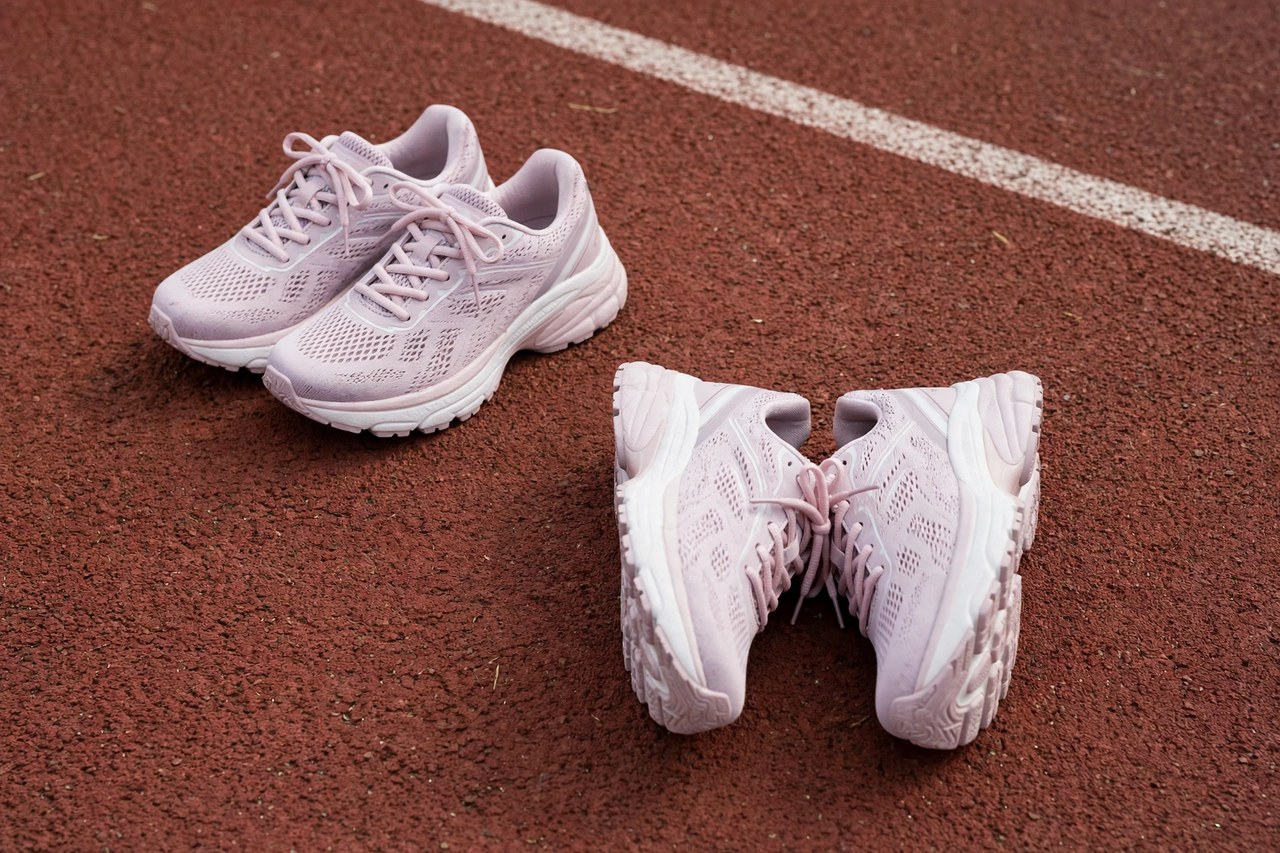
Simply put, “jogging” is a slower form of “running” — and sneakers worn for a brisk run are perfectly fine for a slow jog. A sneaker is a soft shoe with a rubber sole worn for sports or casual occasions; within that wide family, the running shoe is the engineered branch, and it is the shoe a jogger wants. Jogging shoes can also be worn simply for fashion rather than for actual jogging, which is why the category is so large — but this guide treats them as equipment first.
Women's jogging sneakers are constructed with a complex structure of rubber and foam, with plastic or composite stiffeners that help control foot movement through the stride. More advanced runners tend to wear flatter and more flexible shoes, which allow them to run more quickly with greater comfort; joggers keeping a steady pace generally do better with more cushioning underfoot.
The Running Shoe Categories
Running shoes come in a range of shapes suited to different running styles and abilities, and the categories on the wall of any running shop are the map. Cushioning (neutral) shoes maximize foam and flexibility for runners whose feet roll evenly. Stability and supportive shoes add firmer material on the inner side of the midsole to slow overpronation — the inward roll of the foot after landing. Trail running shoes trade road foam for lugged grip, protection plates and tougher uppers, and cross country shoes are their lighter, spikier racing cousins.
Pronation is the word to know before you buy. A neutral foot rolls through the stride evenly; an overpronating foot rolls inward excessively and wants stability; a supinating foot rolls outward and wants cushion and flexibility. Running shops assess this from your old shoes' wear pattern and a few strides on a treadmill — worth doing once, because the right category prevents most of the aches beginners blame on running itself.
Fit: The Thumb, the Heel and the Afternoon
Running feet swell, so fit with room: a thumb's width of space beyond the longest toe, in the socks you run in, ideally tried late in the day. The heel should lock without slipping, the midfoot should feel held rather than squeezed, and no seam should press the little toe. Women's lasts are not simply smaller men's lasts — they are typically narrower in the heel with a wider forefoot relative to size, which is part of why a women's-specific shoe fits most women better.
Size by the shoe, not by your dress-shoe number: jogging sneakers commonly run a half to a full size above street shoes. And whatever the pair, the two-shoe rule of rotation applies: alternating two pairs lets each midsole recover its cushion between runs and measurably extends the life of both. Retire a pair when the foam feels dead and new aches arrive — typically after 300–500 miles, long before the upper looks worn.
Brands and Choosing
The important sneaker brands in this category — from our original guide's list, still the working map of the market — include Adidas, ASICS, Brooks, Hoka One One, Merrell, Mizuno, New Balance, Nike, Puma, Reebok, Salomon, Saucony and Skechers, alongside broader sneaker names such as Converse, Fila, Keds and Vans whose strengths lie more in casual styles. Specialist running brands build their lines around the cushion-stability spectrum; fashion brands build around the look. For actual jogging miles, start with the specialists and your pronation type, and let comfort in a short shop jog settle ties.
One last piece of inherited advice: replace by feel, keep the old pair for walking, and break new shoes in on short jogs before any long one. The steady pace of jogging is kind to the body — the shoes are how you keep it that way.
Related Women's Guides
Photos From Our Original Guide

Looking for Women's Clothing Stores?
This guide helps you choose women's jogging sneakers. To browse where to buy, visit our women's clothing store directory, where you can find retailers that carry them.