Women's Supportive Running Shoes Guide
A supportive running shoe is built around comfort under the arch and cushioning under impact — support here means a shoe that holds the foot kindly, mile after mile.
Shop Women's Supportive Running Shoes Now
Shop Women's Supportive Running Shoes on Amazon Shop Women's Supportive Running Shoes on eBayThe Amazon and eBay links on this page are affiliate links. If you make a purchase through them, Apparel Search may earn a commission.
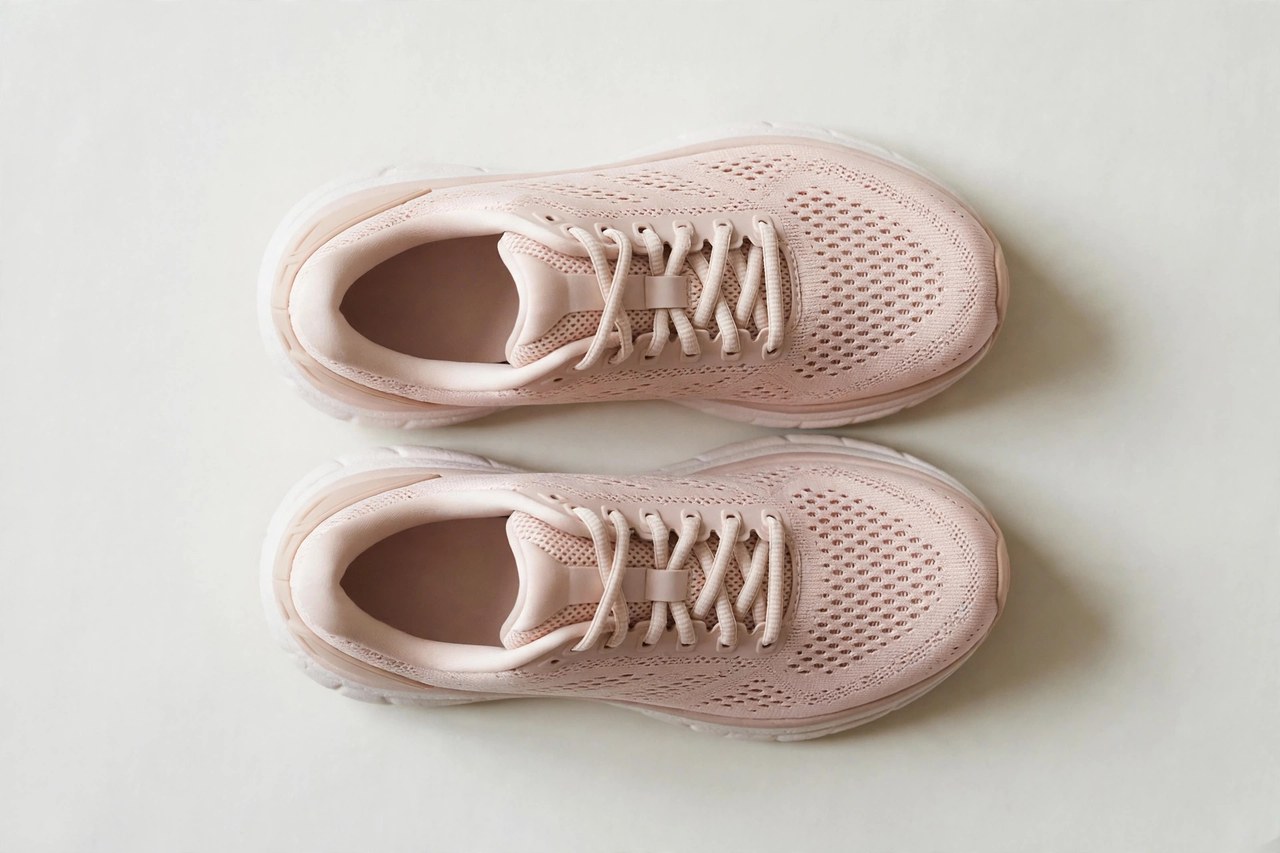
Supportive running shoes promise a particular kind of help: a shoe that cushions impact and supports the arch and heel so running feels sustainable rather than punishing. On this site the running shoe family is deliberately divided, and it helps to know the borders. The running shoes page covers the general category, cushioning running shoes go deepest on soft midsoles, and stability running shoes address pronation control. This page is about support in the comfort sense — structure, arch contact and cushioning working together under your foot.
That distinction matters because shoppers use the word support loosely, and buying the wrong kind of help wastes money. The sections below explain where support actually lives in a shoe, how it differs from motion control, and how to fit a pair that keeps supporting after the first hundred miles.
Where Support Lives: Arch, Heel Counter and Midsole
Support is a system of three parts. The midsole's shape under the arch — how much foam rises to meet your foot's natural arch — decides whether the arch feels held or left to work alone; a supportive shoe makes gentle, definite contact there rather than leaving a gap. The heel counter, the firm cup around the back of the shoe, keeps the heel seated and centered at landing instead of wobbling side to side. Together they give the foot a stable platform without forcing it anywhere.
The third part is the cushioning stack itself: modern midsole foams absorb and soften impact, and a supportive shoe typically runs a moderate to generous stack height with a foam that stays resilient rather than collapsing. A wide, stable base — a sole that flares slightly at the heel and midfoot — adds confidence without stiffness. Hard posts and rigid devices belong to the stability end of the spectrum; support, as this page uses the word, cradles rather than corrects.
Supportive vs Stability: Choosing Your Kind of Help
A stability shoe is engineered around pronation — the inward roll of the foot after landing — using features like denser foam on the inner midsole or guide rails to slow that roll. A supportive shoe may suit a neutral runner, a tired-footed runner, or a heavier runner who wants structure and cushion without correction. Many runners who pronate mildly do fine in a supportive neutral shoe, and many who buy aggressive control they do not need end up with a shoe that feels like it is arguing with them.
Use your history as the diagnostic. Shoes worn down fairly evenly, with no recurring inner-ankle or inner-knee complaints, point to the supportive neutral category. A wet-footprint test gives a rough arch picture at home: a full, wide print suggests a lower arch that may appreciate more structure, while a narrow print with a thin outer band suggests a higher arch that usually wants cushion first. When in doubt, a specialty running store's fitting — watching you run in both a supportive and a stability model — settles the question faster than any description, including this one.
Fit: Length, Drop and the Long-Run Test
Fit a supportive shoe late in the day, in running socks, with a thumb's width of space beyond your longest toe — feet swell on long runs, and a shoe that is perfect at mile one can be a blister machine at mile ten. The heel should feel locked by that structured counter without rubbing, and the arch contact should feel like a hand resting under the foot, never like a pebble or a speed bump. Walk, then jog in the store if you can; support you can feel standing still can feel intrusive in motion.
Heel-to-toe drop — the height difference between heel and forefoot, often 8 to 12 millimeters in supportive trainers — changes where work lands: higher drops ease the Achilles and calves and load the knees more, lower drops do the reverse. If you are changing drop significantly, transition over several shorter runs. Finally, judge the pair by your longest weekly run, not your shortest: support earns its name at the end of the run, when form fades and the shoe's structure is doing the holding your tired muscles have stopped doing.
Rotation, Insoles and Knowing When to Replace
Even the best supportive shoe is a consumable. Midsole foam compresses with use, and most trainers give their best support for roughly 300 to 500 miles, fading gradually rather than failing at once — the warning signs are new aches, a shoe that suddenly feels flat, and creasing across the midsole. Rotating two pairs, even two of the same model, extends each pair's life because foam partially recovers between runs, and it lets one pair dry fully, which your feet will thank you for.
Aftermarket insoles are the adjustable layer of support: a quality running insole can add arch contact to a shoe you otherwise love, and they are a reasonable first step before replacing a low-mileage shoe. Custom orthotics, if a clinician has prescribed them, should be fitted into the shoe from the start — bring them to the fitting. Replace the shoe, keep the notes: recording which model, drop and size served you well turns your next purchase into a simple reorder.
Related Women's Guides
More to Explore on Apparel Search
- Women's Shoes
- Women's Footwear
- Fashion
- Women's Shoe Stores
- Women's Footwear Guide
- Women's Shoes
- Footwear Definitions
- Shoe Search
- Women's Running Shoes
- Fashion Videos
- Fashion Calendar
- Celebrity Fashion
- Fashion Designer Directory
- Women's Athletic Shoes
- Women's Boots
- Women's Casual Shoes
- Women's Dress Shoes
- Women's Sandals
- Women's Trend Shoes
- Cross Country Running Shoes
- Jogging Sneakers
- Trail Running Shoes
Women’s Clothes Guide by Letter: Women's Clothes Directory T
Looking for Women's Clothing Stores?
This guide helps you choose women's supportive running shoes. To browse where to buy, visit our women's clothing store directory, where you can find retailers that carry them.