Women's Plus Size Boots Guide
Plus size boots are made for wider calves — extended shaft circumferences, stretch panels and roomier ankles in tall, ankle and wide-width styles, so the zip closes comfortably and the boot stays up.
Shop Women's Plus Size Boots Now
Shop Women's Plus Size Boots on Amazon Shop Women's Plus Size Boots on eBayThe Amazon and eBay links on this page are affiliate links. If you make a purchase through them, Apparel Search may earn a commission.
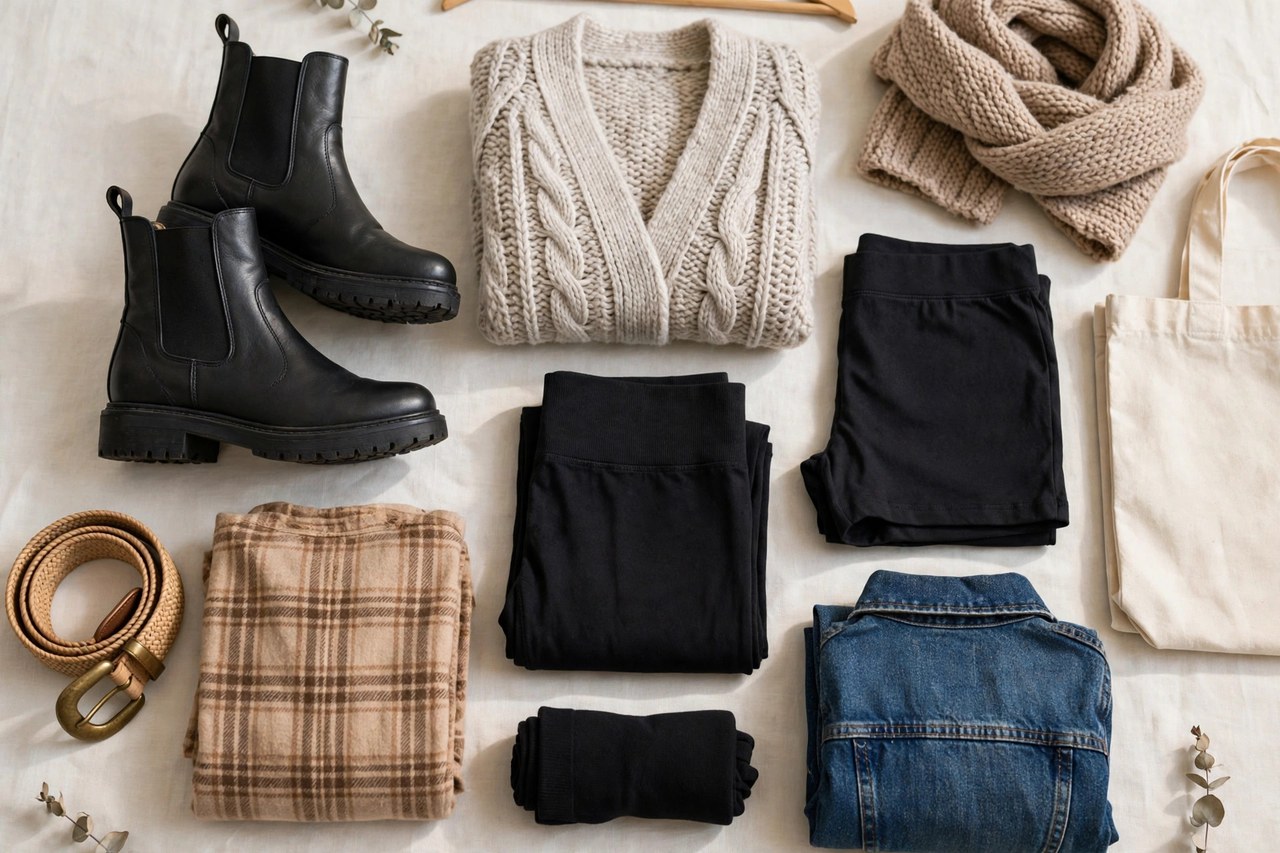
For many plus size women, boot shopping fails at the zipper, not the foot. A boot can fit perfectly in length and width and still be unwearable because the shaft was patterned for a fourteen-inch calf. Plus size boots, usually sold as wide calf and extra-wide calf, solve the shaft problem directly, with circumferences from about sixteen inches to twenty inches and beyond, stretch panels, fuller ankles and proportions balanced for a fuller leg.
This guide explains how to measure your calf and read boot specifications, the tall, mid-calf, ankle and wide-width styles available, the closure and stretch features that make fitting forgiving, and how to judge comfort over a full day rather than a full minute. Boots are an investment purchase with a long life, and in the right calf size they become the backbone of fall and winter dressing, working with dresses, skirts, jeans and trousers alike.
Measuring the Calf and Reading Shaft Specs
Measure both calves at the widest point, seated with the foot flat on the floor, over the socks or tights you will wear most, and use the larger number. Measure in the evening if your legs swell during the day, a common and normal variation that can add half an inch or more. Then compare that number to the boot shaft circumference for your foot size, because shaft size grades with foot size in most ranges. You want the shaft about half an inch to an inch larger than your calf for a clean zip and comfortable wear.
Shaft height matters as much as circumference. It is measured up the back or inside of the boot, and it decides where the top edge lands on your leg. A tall boot that ends right at the widest point of the calf will fight the leg all day; one that ends just above it, or is cut with a slightly higher front, sits smoothly. Check whether the listed circumference is for the standard size in the range, and look for elastic gore, stretch back panels or adjustable buckles that add an inch or two of flexible room where you need it most.
Styles: Tall, Riding, Mid-Calf, Ankle and Slouch
Tall and riding boots are the classic wide-calf purchase, with shafts to the knee, low or block heels and clean lines that pair with dresses and skinny or straight jeans tucked in. In plus versions the ankle is also given room, so the boot does not pinch at the narrowest point while fitting the calf. Over-the-knee styles need the most generous and stretchy shafts and are best tried with the exact hosiery or leggings you will wear, since every layer takes room inside the shaft.
Mid-calf boots end at a flattering and forgiving point and often fit the widest range of legs. Ankle boots and booties sidestep calf sizing almost entirely, but check the opening and ankle circumference so the edge does not cut in, and consider a small dip or V at the front that lengthens the leg line. Slouch and stretch boots in suede, microsuede or knit shafts conform to the calf and are the most forgiving first purchase. Wedge and block heels give height with stability, and wide foot widths, W and WW, should be matched to wide calves for a coherent fit.
Closures, Stretch and Comfort Construction
Full inside zippers are the standard for a reason: they let the shaft be fitted without forcing the foot through a narrow ankle. Partial zippers, pull-on loops and lace-up fronts offer other routes, with laces giving the most adjustability across the calf. Stretch panels work best when they are placed at the back or inner calf and made from firm elastic that supports rather than sags. Beware of decorative buckles that do not actually adjust, and of shafts that close only by stretching thin fabric to its limit, which shortens the boot life.
Comfort is built below the shaft too. Look for a cushioned insole, arch support suited to carrying weight through a long day, a stable heel base and a sole with real tread for winter surfaces. The foot portion should allow toe room in your usual socks, and the ankle should hold the heel without slipping excessively, though a little movement is normal until leather breaks in. Quality leather shafts relax and mold slightly with wear; synthetic stretch shafts fit immediately but change less, so their day-one fit must be right.
Fitting, Styling and Care
Try boots at the end of the day, in your real hosiery, and walk, sit and climb a step. The zip should close without pinching skin or fabric, the top edge should not dig when you sit with knees bent, and the calf should feel held, not compressed, with no tingling or pressure marks after ten minutes. A boot keeper or shaft inserts help tall boots keep their shape in storage and prevent the ankle creasing that breaks down structure, especially in softer leathers.
Style wide calf boots as a proportion anchor: tall boots balance fuller skirts and dresses, ankle boots with a slight heel sharpen trousers and jeans, and a boot in a tone close to your tights or trousers lengthens the leg. Care for leather with conditioner and weather protection, brush suede, and dry wet boots slowly away from heat with shafts supported. Resole good boots rather than replacing them. Measured by calf first and foot second, plus size boots stop being the hardest purchase of the season and become the easiest to love.
Related Women's Guides
More to Explore on Apparel Search
- Plus Size Clothing
- Plus Size Clothing Stores
- Shop for Plus Sizes
- Women's boots
- thigh high boots
- Moto Boots
- Go-Go Boots
- Boyfriend Boots
- Snow Boots
- Hiking Boots
- Women's Leather Boots
- Cowgirl Boots
- fabulous women's boots
- fashion
- trendy
- stylish
- why Santa Clause wears black boots
- plus size fashion model
- plus size fashion definition
- Clothing Stores
- Fashion Designers
- Popular Brands
- Apparel
- Women's Clothing Stores
- Women's Clothing Wholesalers
- Women's Fashion
Looking for Women's Clothing Stores?
This guide helps you choose women's plus size boots. To browse where to buy, visit our women's clothing store directory, where you can find retailers that carry them.