Women's Plus Size Shoes Guide
Plus size shoe shopping is really about width, support and load: wide and extra-wide fittings, cushioned construction and stable heels sized for the whole foot, not just its length.
Shop Women's Plus Size Shoes Now
Shop Women's Plus Size Shoes on Amazon Shop Women's Plus Size Shoes on eBayThe Amazon and eBay links on this page are affiliate links. If you make a purchase through them, Apparel Search may earn a commission.
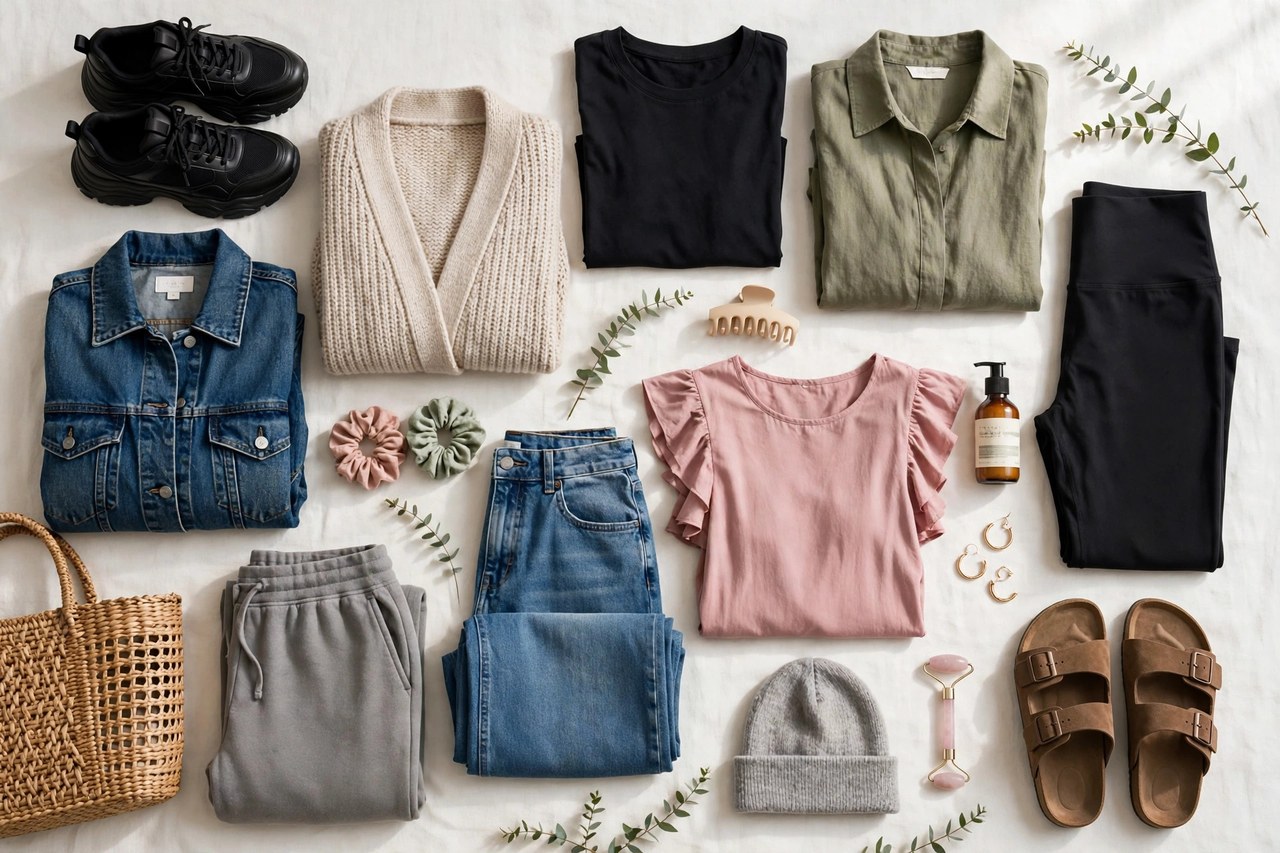
Shoes do not come in plus sizes the way clothing does, yet plus size shoppers consistently need a different shoe: wider across the ball of the foot, deeper in the toe box, stronger in the arch and midsole, and more stable at the heel. Extra body weight and a naturally broader foot change the engineering a shoe must deliver. A standard medium width stretched by wear is not a substitute, because it distorts the upper while leaving the sole too narrow underneath the foot.
This guide explains width letters and how to measure for them, the construction features that support a fuller frame through a full day, and how fit changes across flats, heels, sandals, sneakers and dress shoes. It also covers when to shop, how to test a pair properly and how rotation and care extend a shoe's supportive life. Comfort here is not a luxury feature; a correctly fitted wide shoe protects knees, hips and back as well as feet.
Widths Explained and How to Measure
Women's shoe widths run from narrow through medium, usually marked B, to wide W or D, extra wide WW or EE, and beyond at specialist brands. Plus shoppers most often need wide or extra wide even when their length size is ordinary, because width and length are independent measurements. Measure both feet at the end of the day, when feet are at their largest, standing with full weight on the measuring device or paper tracing, and fit to the larger foot.
Two checks separate a true wide fitting from a stretched medium. First, the widest part of your foot should align with the widest part of the shoe without bulging over the sole's edge; overhang means the platform is too narrow however soft the upper feels. Second, you need roughly a thumb's width of space beyond the longest toe with the heel seated. Width should come from the last, the mold the shoe is built on, not from sizing up in length, which puts the flex point in the wrong place.
Support and Construction That Carry Weight Well
Look for a firm heel counter that cups the heel without collapsing, a midsole with real cushioning density rather than soft foam that bottoms out, and arch support that meets your arch when standing. A slightly wider, stable heel base, a rocker or well-beveled toe spring on walking styles, and a shank or structured midfoot all reduce fatigue. Removable insoles are valuable because they let you substitute a supportive orthotic or a higher-grade aftermarket insole without changing the shoe size.
Uppers matter structurally too. Leather and engineered mesh with reinforced overlays hold a wider foot centered on the sole; unstructured stretch uppers feel kind in the store but let the foot slide sideways over the sole edge through the day. Adjustable closures, laces, buckles, hook-and-loop straps and monk straps, let you set volume precisely and readjust as feet swell toward evening. For dress shoes, a lower, broader heel with a padded insole board gives formality without the instability of a narrow high heel under load.
Fit by Style: Flats, Heels, Sandals and Sneakers
Flats are the hardest style to make supportive, so choose pairs with cushioned insoles, a slight heel rise and enough toe-box depth, and avoid paper-thin ballet soles for long days. Heels work best at moderate heights with wider bases and straps or closed backs that keep the foot seated. Sandals need footbeds wide enough that no part of the foot spills over, plus adjustable straps across both the toes and the instep or ankle.
Sneakers and walking shoes in wide fittings are the everyday foundation for most plus shoppers; look for mesh that accommodates volume, a stable heel and a last graded for width rather than a men's shoe substituted by size conversion, though men's wides remain a workable fallback for athletic styles. Dress and occasion shoes from wide-width specialists now cover most formal needs. In every style, test on hard flooring, walk at natural speed and check that the heel does not slip while the toes stay unpinched.
Shopping Habits, Rotation and Care
Shop for shoes in the afternoon, bring the socks or hosiery you will actually wear, and test both shoes together since most people's feet differ by half a size or more. Replace walking and everyday shoes when the midsole feels dead or the tread and heel wear unevenly, which happens sooner under greater load; worn support is invisible from above, so judge by feel and mileage rather than appearance. Rotating two pairs on alternate days lets cushioning recover and roughly doubles useful life.
Care extends support: use shoe trees or stuffing to hold shape, let leather rest and dry away from heat, clean mesh sneakers gently and air dry them, and resole or re-heel quality leather shoes before the wear reaches the upper. Keep a note of the brands, lasts and width letters that fit you, because wide sizing is not standardized and a proven fit is worth returning to. The right plus size shoe is simply the right shoe, wider, stronger and honestly measured.
Related Women's Guides
More to Explore on Apparel Search
- Plus Size Clothing
- Plus Size Clothing Stores
- Shop for Plus Sizes
- Women's shoes
- Women's Wide Width Shoe Stores
- Women's Shoe Stores
- Wedges
- Women's Sandals
- Open Toe Shoes
- Turf Shoes
- High Heel Shoe Definition
- Platform Shoes Definition
- MBT Shoes
- Climbing shoe definition
- fashion
- trendy
- stylish
- plus size fashion model
- plus size fashion definition
- Clothing Stores
- Fashion Designers
- Popular Brands
- Apparel
- Women's Clothing Stores
- Women's Clothing Wholesalers
- Women's Fashion
Looking for Women's Clothing Stores?
This guide helps you choose women's plus size shoes. To browse where to buy, visit our women's clothing store directory, where you can find retailers that carry them.