Jewelry Stones Guide, Page 2
The stone listings, continued: lab created gems to pink topaz
This second page of the stones directory continues the alphabetical listings of the Jewelry Guide's stones section. The links appear high on the page, as on the first page, and cover gemstone watches, lab created gems, mother of pearl, onyx, opal, pearl, peridot and pink topaz, each linking onward to that stone's bracelets, earrings, necklaces and rings, with watches for the stones that offer them. Gemstones are categorized by their physical and chemical properties, including color, hardness, transparency, refractive index and specific gravity, and the familiar categories run through this page's listings: precious stones, semi-precious stones, organic gem materials such as pearl and mother of pearl, and lab created stones made to match natural gems. Readers choose stones for personal preference, birthstone associations, cultural traditions and style, and this page's background below the links explains those categories so the listings can be read with them in mind. The first directory page covers amethyst through garnet, and the third completes the section with precious gems, ruby, sapphire, semi-precious gems and tanzanite.
More to Explore
- Lab Created Gems Bracelets
- Lab Created Gems Earrings
- Lab Created Gems Necklaces
- Lab Created Gems Rings
- Mother of Pearl Bracelets
- Mother of Pearl Earrings
- Mother of Pearl Necklaces
- Mother of Pearl Rings
- Onyx Bracelets
- Onyx Earrings
- Onyx Necklaces
- Onyx Rings
- Opal Bracelets
- Opal Earrings
- Opal Necklaces
- Opal Rings
- Pearl Bracelets
- Pearl Earrings
- Pearl Necklaces
- Pearl Rings
- Peridot Bracelets
- Peridot Earrings
- Peridot Necklaces
- Peridot Rings
- Pink Topaz Bracelets
- Pink Topaz Earrings
- Pink Topaz Necklaces
- Pink Topaz Rings
- Next Jewelry Stone Page
- Bracelets
- Earrings
- Necklaces
- Rings
- Watches
- Jewelry by Design
- Jewelry by Metals
- Jewelry by Stones
- Fashion Accessory Retailers
- About Gemstones
- About Jewelry
- Jewelry Guide
- Jewelry Stores
- Jewelry Wholesalers
- Jewelry Network
- Jewelry News
- About Birthstones
- Choosing Gemstones by Color
- Precious Gemstones
- Semi-Precious Gemstones
Welcome to the second page of the jewelry stone section of the Apparel Search Jewelry Guide. This area will help you locate information regarding jewelry based on the stones, beads, or gems in which the jewelry is produced.
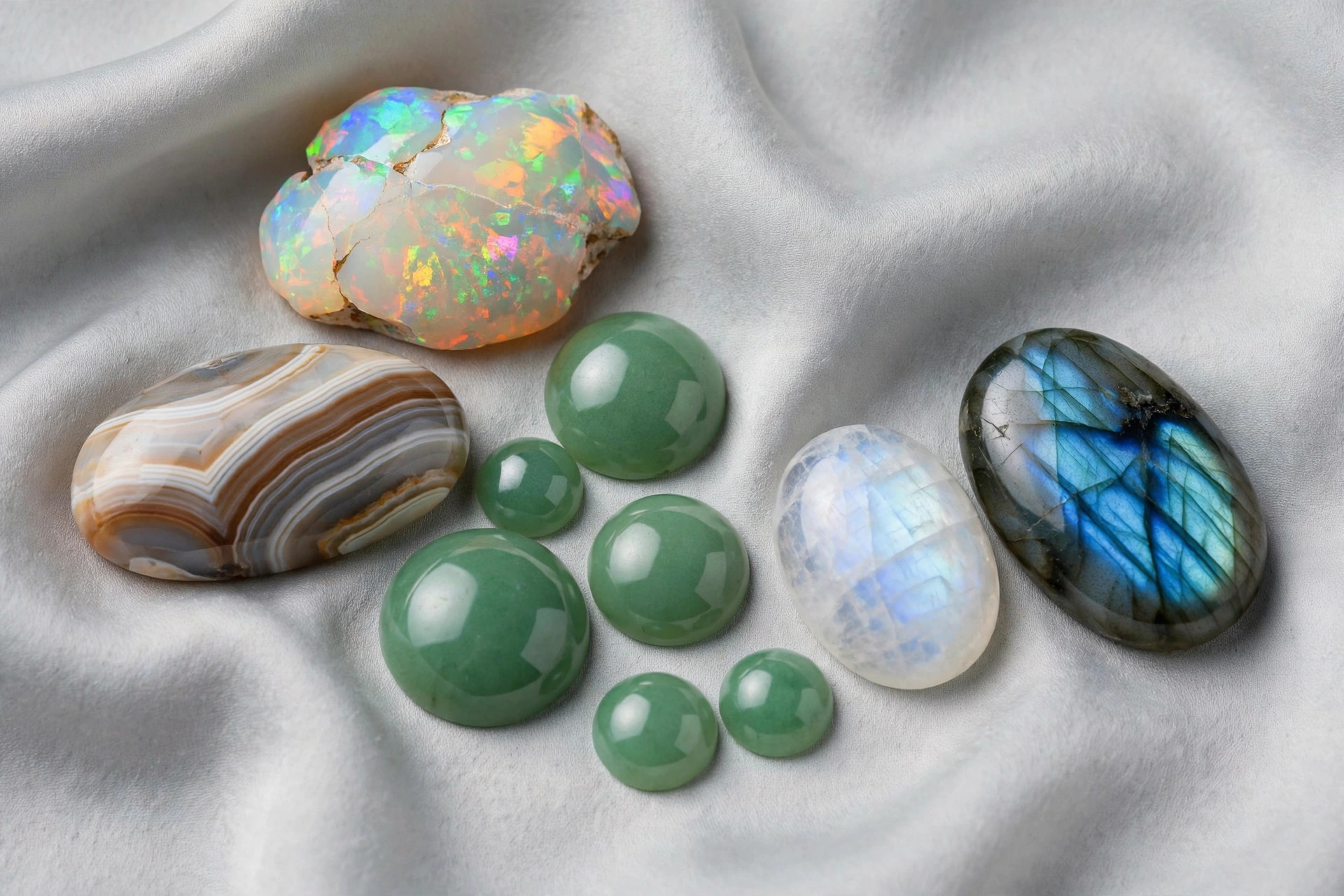
Jewelry stones, also known as gemstones or precious stones, are naturally occurring minerals, rocks, or organic materials that have been cut, polished, and crafted to be used in jewelry. These stones are treasured for their beauty, rarity, durability, and often their symbolic and cultural significance. They come in a diverse array of colors, shapes, sizes, and properties, making them versatile for use in various jewelry designs.
Gemstone Watches
Lab Created Gems Jewelry
Mother of Pearl Jewelry
Mother of Pearl Watches
Onyx Jewelry
Opal Jewelry
Pearl Jewelry
Peridot Jewelry
Pink Topaz Jewelry
Gemstones are categorized based on their physical and chemical properties, including their color, hardness, transparency, refractive index, and specific gravity. Some popular gemstone categories include precious stones (diamond, ruby, sapphire, emerald), semi-precious stones (amethyst, turquoise, citrine, garnet), organic gemstones (pearls, amber, coral), and synthetic stones (lab-created versions of natural gemstones).
Each gemstone has its own unique allure and is believed to possess specific meanings, healing properties, and astrological influences. People often choose jewelry stones based on personal preference, birthstone associations, cultural traditions, or the desire to express style and individuality. Gemstones hold historical, cultural, and sentimental value, making them a significant part of the jewelry industry and an integral element of adornment across different cultures and time periods.
The following will help you learn more about jewelry.
Categories Behind the Listings
The stones on this page show why gem categories matter in practice. Mother of pearl and pearl are organic nacre, onyx is banded chalcedony quartz, opal is hydrated silica with a structure that produces play of color, peridot is the gem form of olivine, and pink topaz is a colored variety of a hard, brilliant mineral. Each material takes a different cut, suits different jewelry forms and needs different care, and the category tells a buyer much of that before a single piece is examined.
From this page, the directory continues to its third page for the remaining stones, and returns to the first page for the section introduction. The topic pages in this section, on gemstones in general and on the precious and semi-precious groups, fill in the background for any stone listed here.
Common Questions
What is listed on this second stones page?
The middle of the stone alphabet: gemstone watches, lab created gems, mother of pearl, onyx, opal, pearl, peridot and pink topaz, each with links to the bracelets, earrings, necklaces and rings made with that stone. Together with the first page, which runs from amethyst to garnet, and the third page, which finishes the list, this page forms one directory split across three pages to keep each one readable.
What counts as an organic gemstone?
A gem material produced by a living organism rather than by geology. Pearl and mother of pearl, both nacre formed inside mollusks, are the leading examples in this directory, and amber and coral are other well-known organic gems. Organic gems are generally softer than mineral gemstones and need gentler care, avoiding perfume, acids and hard knocks, but they offer lusters and colors no mineral produces, such as pearl's soft orient and mother of pearl's iridescence.
How do lab created gems differ from natural stones in this guide?
A lab created gem has the same chemical composition and crystal structure as its natural counterpart but was grown in a laboratory rather than mined, so it is a genuine gemstone material of human-made origin, typically cleaner and less expensive. The second directory page lists lab created versions separately, with their own bracelet, earring, necklace and ring pages, so a reader can compare them directly with the natural stone listings instead of mixing the two.