Should Wedding Dresses Always Be White?
A bridal fashion poll on tradition and color in wedding dresses
White feels like the timeless color of the wedding dress, and this poll asks whether it should always be the color. The tradition is younger than it feels: white became the standard after Queen Victoria's wedding in 1840 popularized it, and before that brides simply wore their best dress in whatever color they had. Today's bridal market offers a spectrum — bright white, ivory, champagne, blush and full color — and designers regularly show gowns that treat white as one option among many. The choice is also practical: pure white flatters some complexions and photographs harshly, while softer shades suit more wearers. Whether tradition should keep its claim on the aisle is a question every bride answers with her own dress.
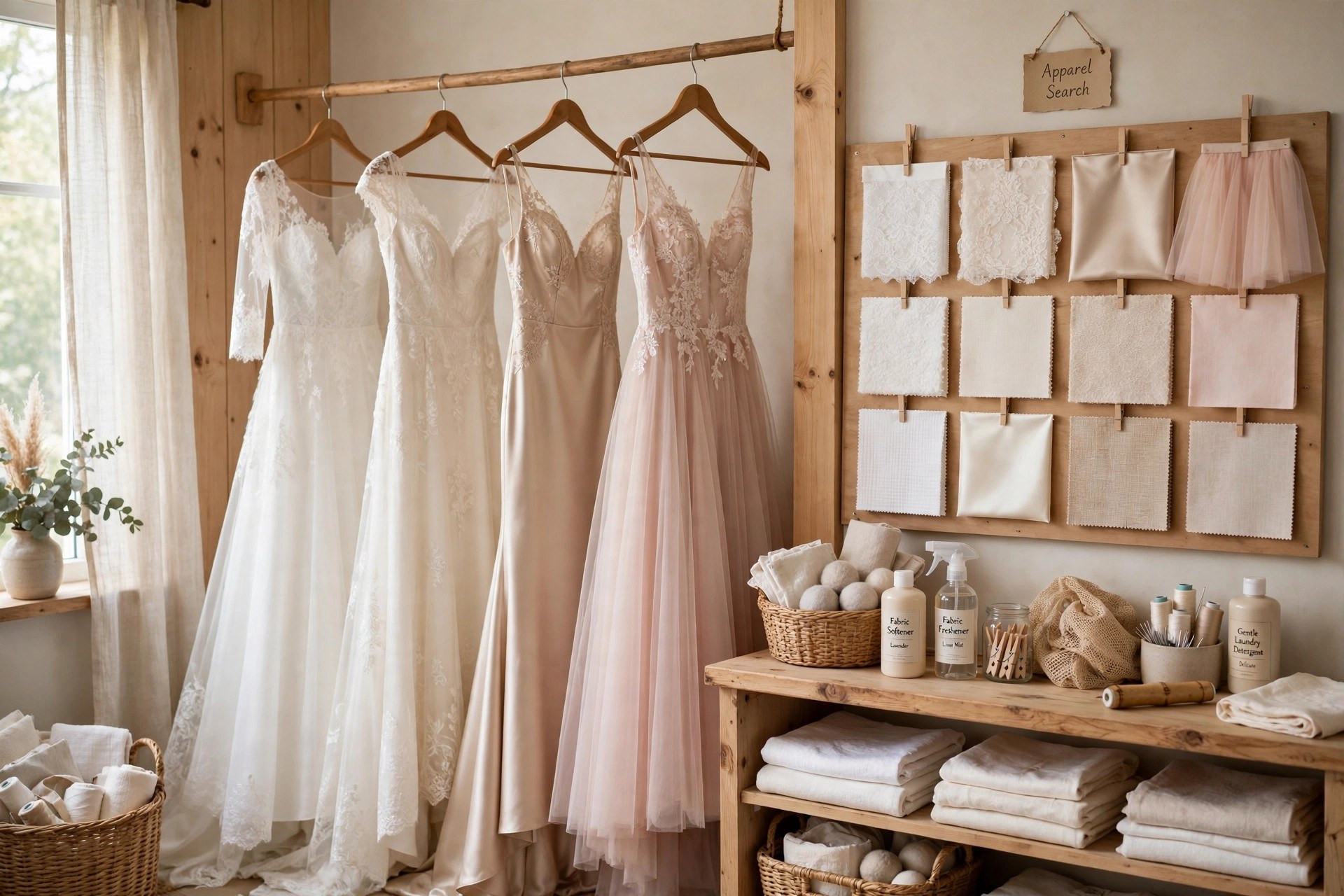
Should Wedding Dresses Always Be White?
Fashion Polls : Research clothing and
style by using a fashion poll.
Fashion Polls Wedding Dresses Bridal Fashion Stores Wedding Gown Guide Bridal Industry Research Fashion Industry Polls Fashion Industry Research Fashion Education More Bridal Fashion Stores
Thank you for visiting the, "Should wedding dresses always be white?" poll. If you enjoy this fashion poll you may want to try another fashion poll. Speaking of white fashion, what are your thoughts on wearing white before Memorial Day?
You can discuss this issue and any other issue relevant to fashion at the Fashion Industry Network Discussion area. Actually, you can discuss any topic regarding wedding dresses in the bridal fashion group section.
Have you heard of the new online poll technology?
Bridal Fashion Guides
Here are a few more links of interest:
Bridal Fashion Group
A fashion poll is essentially a survey of the public or a sampling of public opinion to acquire information about a particular issue relevant to fashion or the fashion industry. Polls can be taken either online or offline.
Fashion Industry Fashion Job Search Fashion Models Fashion Industry Network Fashion Schools Fashion News Fashion Jobs
How White Became the Rule
White's reign began as fashion, not law. Victoria's white satin and lace gown was widely reported and imitated, and white gradually acquired meanings — purity, celebration, a garment worn once for the greatest occasion — that kept it in place long after the imitation faded. The single-use nature of the modern wedding dress reinforced the color: a white gown could not be mistaken for an everyday best dress, so it announced the day as set apart. Bridal industry structure preserved the rule too, since salons, photographers and magazines all built their imagery around the white dress. Understanding that history reframes the poll: white is a strong tradition with a known birthday, not an eternal requirement.
The Modern Spectrum
Contemporary brides choose along a spectrum rather than at a single point. Ivory and champagne outsell stark white in many salons because they warm the skin and photograph softly; blush and pale blue appear as deliberate fashion choices; and some brides wear saturated color, cultural dress, or a family gown in its existing shade. Designers support the range because it lets a collection show variety, and because a bride who cannot wear bright white is a customer, not an exception. Tradition still pulls the other way — for many families the white dress is the wedding's central image. The poll measures where opinion now sits between the inherited rule and the open spectrum.
Common Questions
When did white become the standard wedding dress color?
After Queen Victoria wore white satin and lace for her wedding in 1840 and the choice was widely reported and imitated; before that, brides generally wore their best dress in any color.
What colors do brides choose besides white?
Ivory, champagne and other soft off-whites are the most common alternatives, followed by blush and pale colors, with some brides choosing saturated color or traditional cultural dress.
Why do many salons sell more ivory than bright white?
Ivory and champagne flatter more complexions and photograph more softly than stark white, so many brides who want a traditional look still choose a warmer shade.
More to Explore
- Fashion Polls
- Wedding Dresses
- Bridal Fashion Stores
- Wedding Gown Guide
- Bridal Industry Research
- Fashion Industry Polls
- Fashion Industry Research
- Fashion Education
- More Bridal Fashion Stores
- white fashion
- what are your thoughts on wearing white before Memorial Day?
- new online poll technology
- bridal gowns guide
- bridal fashion guide
- bridal garters guide
- bridal gloves guide
- bridal shoes guide
- bridal veils guide
- bridesmaid dresses guide
- Women's Clothing Stores
- Retail Clothing Stores
- Bridal Fashion News
- Bridal Clothing Wholesalers
- Women's Fashion Retailers
- Flower Girl Dresses
- Bridal Trade Shows
- Fashion Industry
- Fashion Job Search
- Fashion Models
- Fashion Schools
- Fashion News
- Fashion Jobs