2001 Pantone Color of the Year: Fuchsia Rose
Fuchsia Rose 17-2031 — a vivid pink-red that swung the pendulum from calm to excitement.
If 2000 was a deep breath, 2001 was a raised pulse. Pantone named Fuchsia Rose 17-2031 its Color of the Year for 2001, a saturated pink-red that the announcement itself framed by contrast: this color is drastically different from the sky blue of the previous year, and much more exciting. Where Cerulean retired into the background, Fuchsia Rose walks into the room first.
The short description that accompanied the choice captured its double character in a single line — it can appeal to the feminine side, and yet is still sexy. That tension is the whole identity of the shade. Fuchsia Rose is not a pastel and not a blush; it is a full-strength pink with red heat inside it, closer to a garden fuchsia flower or a ripe raspberry than to anything powdery. Feminine in family, perhaps, but grown-up in effect.
The Pendulum Swing, Year Two
The second-ever Color of the Year taught observers something the first could not: the program would not inch gradually from shade to shade. Pantone moved from one of the calmest possible blues to one of the most stimulating possible pinks in a single step, and in doing so set the expectation that each selection comments on its own year rather than extending a multi-year palette. Designers and retailers learned to treat the announcement as a jolt — a reason to put a new temperature of color on rails that had just been stocked with the opposite one.
There is a practical fashion logic to the swing. A season or two of soft, peaceful blue creates appetite for its opposite; wardrobes full of quiet pieces are exactly the wardrobes an exciting color can electrify. Fuchsia Rose sold energy to people whose closets were already full of calm.
Reading the Shade: Pink With a Pulse
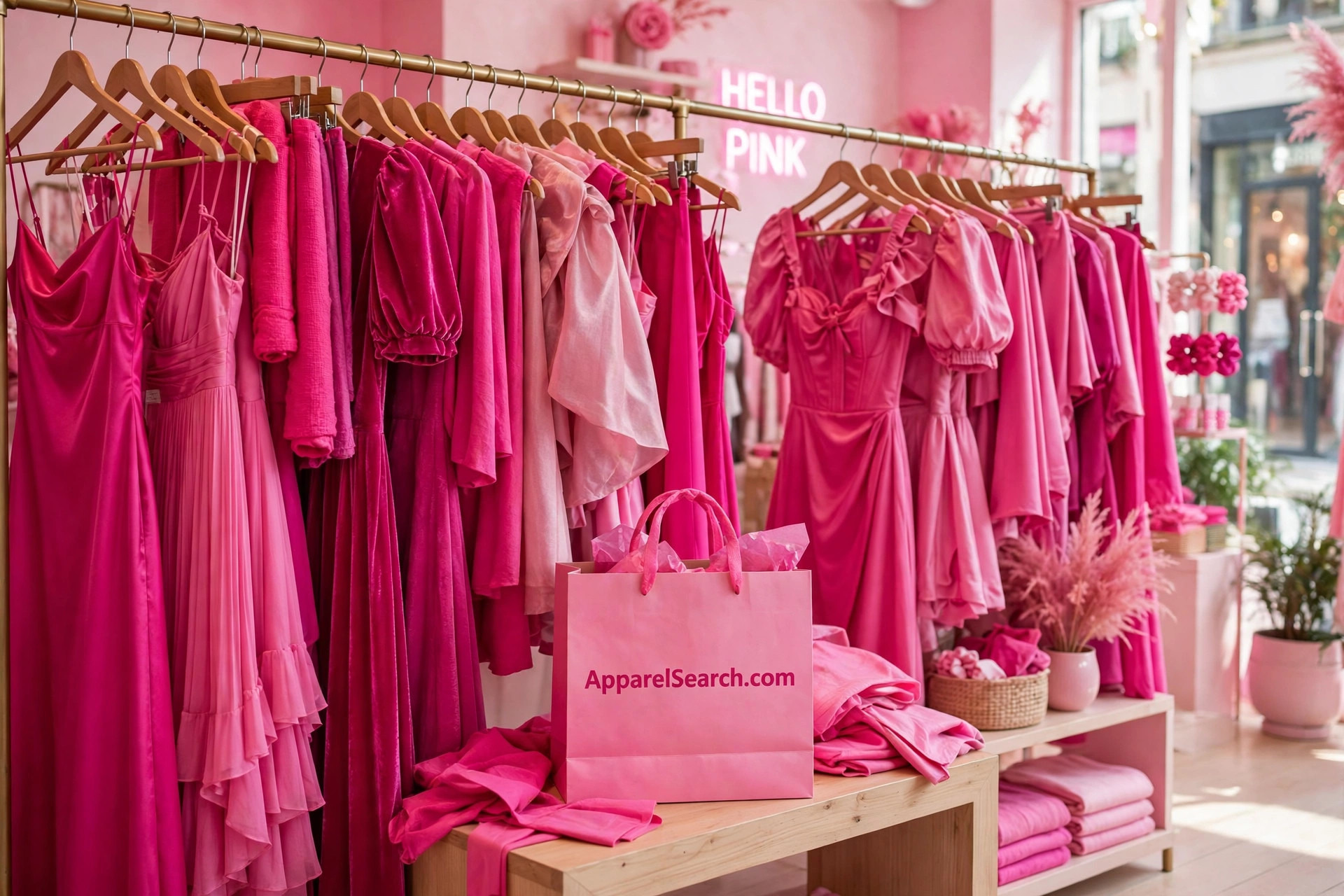
Fuchsia Rose sits at the hot end of pink, where the color is about to tip into red. That red content matters on the body. Cool, blue-based pinks can look icy; this one glows, which is why it photographs vividly and why a small area of it — a shoe, a bag, a scarf — carries an entire outfit. In silk or satin the shade turns glamorous and evening-ready; in cotton jersey it is sporty and direct; in wool it reads rich rather than bright, because matte fibers drink some of the saturation.
Skin tone changes its behavior, too. On deeper skin it is luminous and regal. On fair skin it is dramatic, best kept slightly away from the face or balanced with a stronger brow or lip. Anyone unsure can test it in nail color or an accessory first: the shade announces itself quickly enough that a small trial tells the truth.
Styling Fuchsia Rose Without Shouting
The classic partners are black and white, and both work for opposite reasons — black makes fuchsia look like evening, white makes it look like summer. Navy is the connoisseur's choice, deep enough to ground the pink without the hardness of black. Metallics, especially silver, sharpen it for parties, while leopard and other warm prints can sit with it surprisingly well because the shade is warm at heart.
The mistake to avoid is competition. Fuchsia Rose beside other saturated brights — orange, cobalt, emerald, all at once — turns a deliberate statement into noise. One vivid piece, well cut, in a fabric with some body, is the confident version of this color. That restraint also explains its staying power as an accent long after 2001: lipstick, heels and handbags in hot fuchsia-pink remain a standing shortcut for making a plain outfit look intentional.
Photos

Common Questions
How different was Fuchsia Rose from the 2000 color?
Completely, and that contrast was the story. The 2000 selection, Cerulean, was a soft sky blue chosen to calm people entering the millennium. Fuchsia Rose 17-2031 is a saturated pink-red chosen to excite — warm where Cerulean was cool, attention-seeking where Cerulean was retiring. The swing showed early on that each year's color would answer the mood of its moment rather than continue the previous year's.
Is Fuchsia Rose only a feminine color?
It can appeal to the feminine side, but it is sexy rather than sweet, and that edge is what keeps it from reading as girlish. In small doses — a tie, a pocket square, a trainer accent, a lip color — the shade works as a confident signal in menswear and accessories too, precisely because it is bold rather than pastel.
How do you wear a color this saturated without it wearing you?
Give it one job per outfit. A Fuchsia Rose dress needs quiet shoes and bag; a fuchsia top does best with black, navy, white or denim doing the supporting work. The shade is strong enough that a single piece supplies the whole color story, and neutrals around it make the saturation look deliberate instead of accidental.