2004 Pantone Color of the Year: Tigerlily
Tigerlily 17-1456 — a warm, flower-inspired orange that married the power of red to the hope of yellow.
The calm blues and soft aquas of the program's early years gave way in 2004 to the warmest choice yet. Pantone named Tigerlily 17-1456 Color of the Year, a warm orange that, in Pantone's framing, acknowledged the hipness of orange. Named for the natural flower, it arrived as fashion's orange moment was cresting — the hue moved from accent to headline.
Pantone's description lingers on the color's ancestry, and it is worth repeating because it explains how the shade behaves. This warm orange contains the very different red and yellow: one of those colors evokes power and passion, while the other is hopeful. The combination, Pantone concluded, creates a bold and rejuvenating color. Tigerlily is therefore two moods fused — red's insistence softened by yellow's optimism, at a temperature neither parent reaches alone.
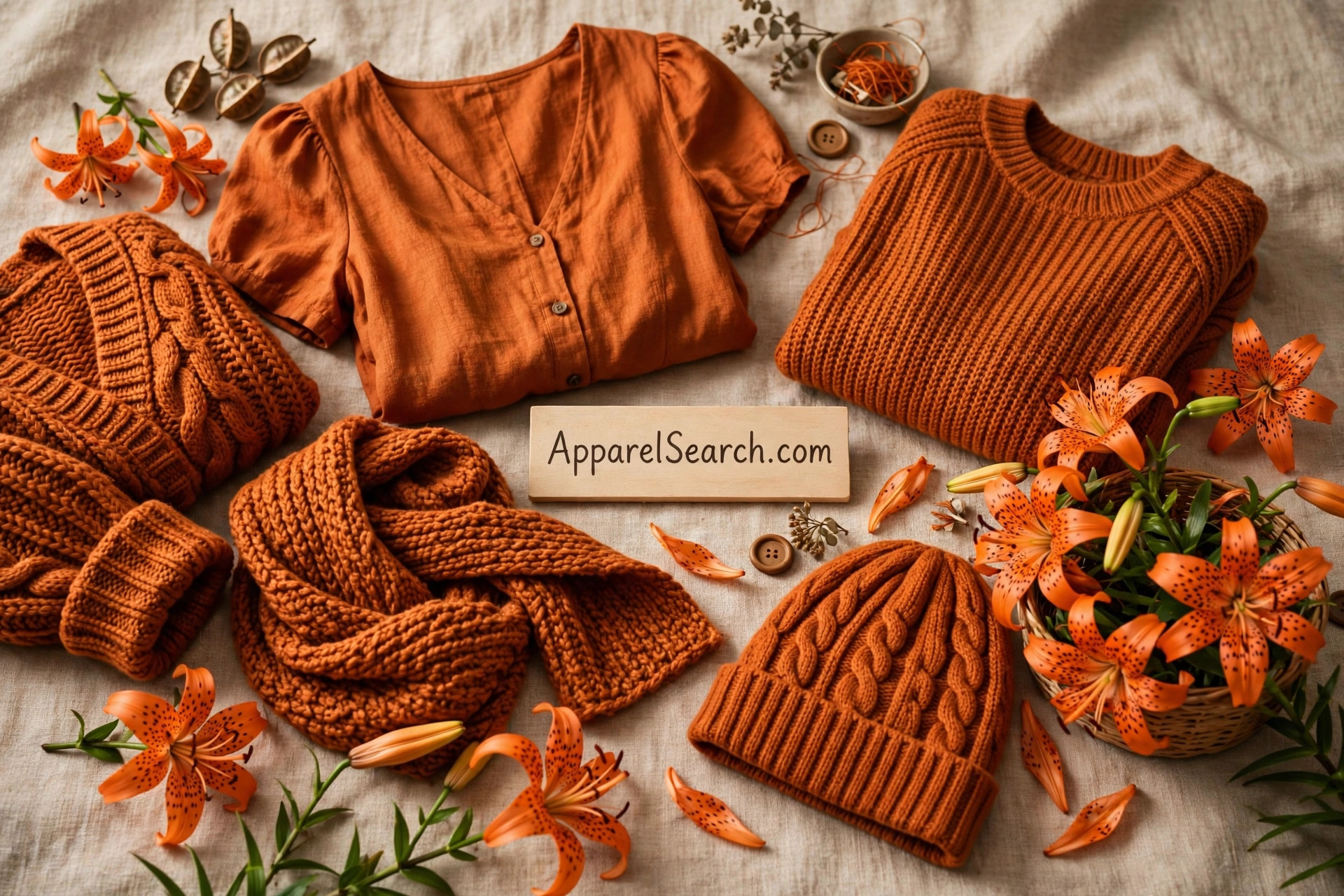
The Year Orange Became Fashionable
Orange had spent decades as fashion's difficult guest — beloved by designers in bursts, then exiled as dated or loud. By 2004 the cycle had turned: warm, saturated color was displacing the pale minimalism of the late 1990s, and orange was its standard-bearer. Pantone's phrase, acknowledging the hipness of orange, is telling — the institute presented itself not as inventing the trend but as certifying one already moving through collections, accessories and interiors.
The flower name did strategic work, too. 'Orange' as a word carries fruit, traffic cones and Halloween; 'Tigerlily' carries a garden in high summer, petals flecked and recurved, exotic but natural. Renaming the hue around a bloom let cautious consumers buy into orange as something botanical and elegant rather than novelty-bright, a lesson in how much of color fashion is language.
Built From Red and Yellow
Understanding Tigerlily means watching its two parents negotiate. The red content gives the shade body and heat; without it, orange yellows into something weak. The yellow content gives it light; without it, orange reddens into rust. Tigerlily holds the balance toward warmth and glow, which is why it reads as sunlit rather than burnt. Against the skin it behaves like late-afternoon light — flattering in the same direction, especially on warm, golden and olive complexions.
The shade's rejuvenating quality, Pantone's word, comes from that glow. Orange is an advancing color: it appears to come toward the viewer, which makes Tigerlily garments feel energetic and Tigerlily rooms feel smaller and warmer. Used by a designer who understands that, it is a tool for presence; used carelessly, head to toe in a shiny fabric, it can overwhelm its wearer entirely.
Dressing in Tigerlily
The reliable partners are the deep neutrals of the warm wardrobe: chocolate brown, espresso, olive, khaki and denim in every wash. Brown in particular turns Tigerlily sophisticated, the two together evoking the 1970s palette that 2004 fashion was busy reviving. Turquoise and teal, its near-opposites, create the high-energy contrast that resort wear loves; cream softens it into something almost peach-like and gentle.
Start where the flower itself would: as the single bloom in the arrangement. A Tigerlily knit, blouse or sandal against quiet clothing gives the rejuvenation without the risk. Makeup followed the same logic that year — warm coral-orange lips and nails borrowed the flower's heat — and the shade endures in accessories for exactly that reason. Some colors are wardrobes; Tigerlily is a spark, and it is at its best used as one.
Photos

Common Questions
What flower is Tigerlily named for, and why does it matter?
The tiger lily, a vivid orange summer flower. The natural inspiration matters because it explains the shade's particular warmth: this is an organic, petal orange rather than a synthetic safety orange. Pantone presented the color as acknowledging the hipness of orange, and the flower name gave a fashionable, slightly exotic frame to a hue many people had considered difficult.
How can one color contain both power and hope?
Because orange is built from the two primaries that carry those meanings. Tigerlily's description points out that its parent colors pull in different directions — red evokes power and passion, while yellow is hopeful. Blended, they produce a color that is bold and rejuvenating at once: energetic without aggression, cheerful without lightness. That built-in contrast is the shade's whole personality.
Is orange really wearable, or is Tigerlily a catwalk-only color?
Wearable, with one condition: choose the dose. A full Tigerlily dress is a deliberate event look, but the shade is outstanding in single pieces — a knit top with denim, an orange bag against neutrals, a scarf that warms a navy coat. Warm oranges flatter warm and olive skin tones especially, and in accessories the color asks for no commitment at all.