Women's Plus Size Skirts Guide
Plus size skirts are cut for a fuller waist and hip in 14W and up, with contoured waistbands, A-line and pencil silhouettes that hang level, and lengths from knee to maxi.
Shop Women's Plus Size Skirts Now
Shop Women's Plus Size Skirts on Amazon Shop Women's Plus Size Skirts on eBayThe Amazon and eBay links on this page are affiliate links. If you make a purchase through them, Apparel Search may earn a commission.
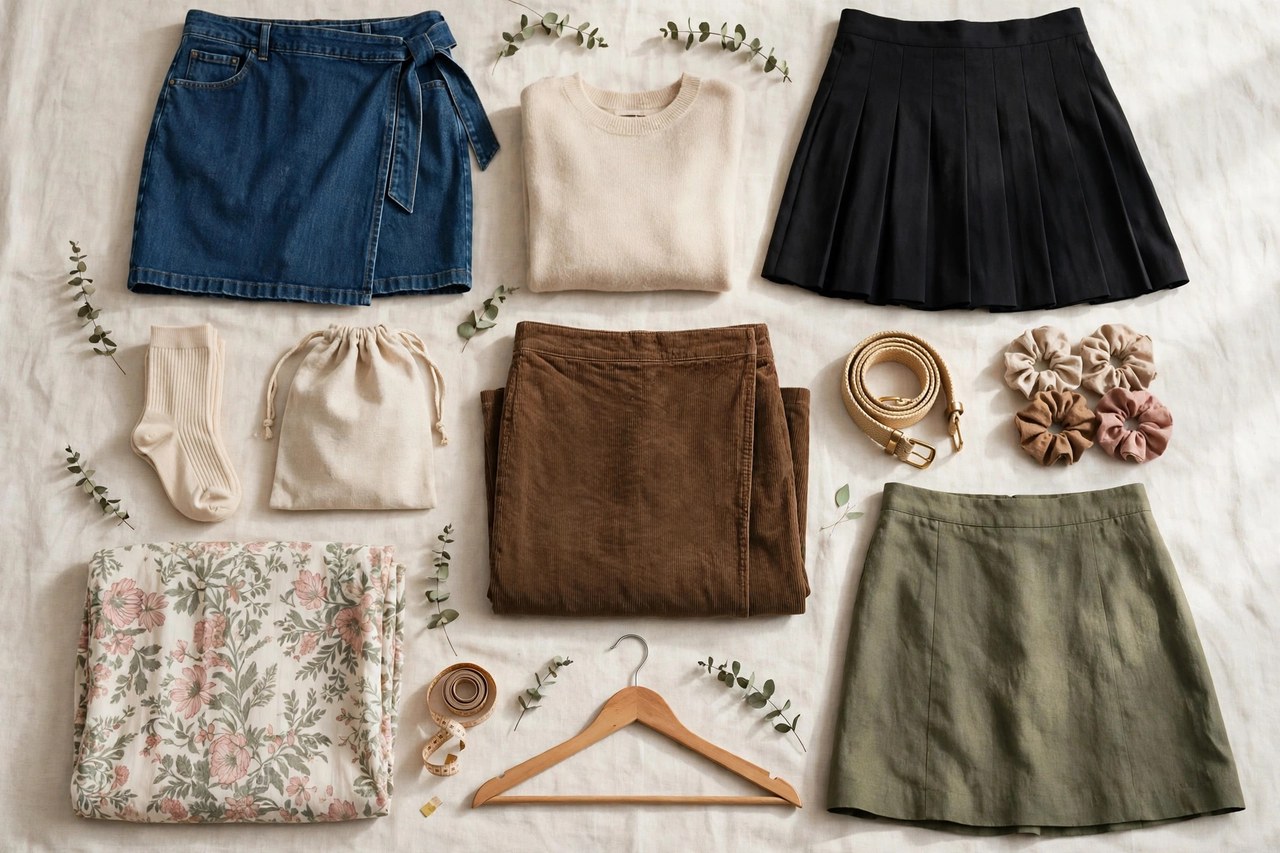
A skirt is the simplest garment to grade badly for plus sizes, because the whole fit hangs from one point: the waist. If the waistband is cut straight while the body beneath it curves, the skirt hikes at the back, dips at the front, twists as you walk and needs constant adjustment. Plus size skirts in 14W, 1X and beyond shape the waistband to the waist-to-hip difference, grade the hip and hem in proportion and set lengths so the hem hangs level all the way around a fuller figure.
This guide works through the main silhouettes and what each does on a curvy frame, waistband and closure construction, the length options from above the knee to full maxi, and the fabrics, linings and fit checks that make a skirt move well. A skirt needs no zips coaxed, no plackets managed and no rise negotiated, so when the waistband is right it becomes the easiest polished garment in the plus wardrobe, for work, weekends and occasions alike.
Silhouettes: A-Line, Pencil, Wrap and Maxi
The A-line skirt is the most forgiving silhouette: fitted at the waist, it releases over the hip and thigh and suits nearly every plus figure and occasion. The pencil skirt follows the body to the knee and needs stretch in the fabric or a vent or kick pleat to walk in; in plus cuts the taper is graded so it hugs without clinging across the front. Wrap and faux-wrap skirts adjust at the waist by tie or overlap, forgiving daily fluctuation better than any fixed band.
Maxi and midi skirts trade on length and movement; plus versions add enough hip room that long fabric falls straight rather than outlining, and enough sweep to swing without tangling. Denim, tiered, pleated and circle skirts each add their own character: denim for structure, tiers and pleats for volume that should begin below the hip on a fuller frame, circle cuts for occasion drama. Match silhouette to where you want volume, at the hem rather than the waist, and the proportion resolves itself.
Waistbands, Closures and a Level Hem
Look first for a contoured or partially elasticated waistband: shaped at the back, or with elastic only across the back panel, it hugs the waist curve, prevents gapping and still presents a flat, tailored front under tucked tops. A wide band of about an inch and a half sits more stably on a curved waist than a narrow one. Side or back zips should lie flat with the placket fully covering them, and hook closures should be anchored into the band rather than the fashion fabric alone.
The hem test diagnoses everything. On a correctly graded plus skirt the hem hangs parallel to the floor front, side and back; a hem that rises at the back signals insufficient length over the seat, and one that dips signals the opposite. The waistband should sit at the same height all around after you sit and stand several times. Pockets, when present, should lie flat against the hip rather than flaring open, a common grading slip that better plus patterns eliminate with shaped pocket bags and careful hip ease.
Lengths and Fabrics for Each Season
Length is preference plus proportion. Knee-length skirts ending at or just below the knee are the workwear standard and suit most heights. Midi lengths ending mid-calf look best with a defined waist and a heel or a clean flat, and maxi skirts need their hem set with the shoes you will actually wear so the fabric clears the floor without pooling. Mini and above-knee plus skirts follow the same waistband rules; the grading matters more than the inches, and opaque, substantial fabrics keep shorter lengths comfortable and secure.
Fabric decides drape. Ponte, suiting blends and denim give pencil and tailored skirts their smooth line; crepe, rayon and chiffon give A-lines and maxis their movement, usually over a lining that prevents show-through and static cling. A lining is a genuine quality marker in plus skirts because it lets the outer fabric glide over the body instead of catching. Knit skirts in firm ponte or interlock forgive waist variation and travel superbly, while linen and cotton serve summer with natural texture and breathability.
Fit Checks, Styling and Care
Fit checks: waistband snug on the inhale without a belt doing structural work, zip lying flat, hem level in a full-length mirror including the back view, and a short walk plus a sit-down completed without the skirt rotating or hiking. If a skirt twists as you walk, the waist-to-hip grading is off for your body regardless of how it looks standing still, and a different brand's plus block will serve you better than alterations to a pattern problem.
Style from the waist out: tucked or neatly half-tucked tops show the waistband the skirt was built around, and footwear sets the register, loafers and low heels for work, clean sneakers and sandals for casual maxis and denim. Care follows fabric, with linings arguing for gentle cycles and hanging by waistband loops to keep the shape. Press pleats and creases from the wrong side. One A-line, one tailored and one long skirt in true plus grading covers nearly every occasion a wardrobe meets.
Related Women's Guides
More to Explore on Apparel Search
- Plus Size Clothing
- Plus Size Clothing Stores
- Shop for Plus Sizes
- Women's skirts
- Tennis Skirts
- Cotton Skirts
- Leather Skirts
- Denim Skirts
- about denim skirts
- Mini Skirts
- Short Skirts
- Maternity Skirts
- Camo Skirts
- Madras Skirts
- skorts
- fashion
- trendy
- stylish
- plus size fashion model
- plus size fashion definition
- Clothing Stores
- Fashion Designers
- Popular Brands
- Apparel
- Women's Clothing Stores
- Women's Clothing Wholesalers
- Women's Fashion
Looking for Women's Clothing Stores?
This guide helps you choose women's plus size skirts. To browse where to buy, visit our women's clothing store directory, where you can find retailers that carry them.