A Guide Series
World Textiles & Traditional Crafts
Before a garment is designed, someone has to make the cloth. This series tells the story of the world’s great handmade textiles — how each one is woven, dyed, stitched, printed or felted, what its patterns mean, who still makes it, and how today’s designers work with it. It is the cloth companion to our Traditional Dress by Country guides: those cover the outfits; these cover the fabric they are made from.
Search Apparel Search
How to Use These Guides
Cloth First, Then Clothing
The fifteen divide by craft. Some are woven pattern: jamdani’s inlaid motifs, kesi’s woven pictures, the brocades of Nanjing and the strip cloths of Mali and the Navajo Nation. Some are dyed pattern: shibori and bandhani shaped before the vat, yuzen painted through paste. Some are worked on finished cloth: suzani and kantha stitched by hand, bogolan painted in mud. And some are cloth built without a loom at all, like the felted rugs of the Kyrgyz steppe. Read by technique and the world’s looms start to rhyme; read by region and each cloth becomes a portrait of its place.
Each guide follows the same path: the technique in real depth, the regions and makers who keep it alive, the meanings carried in its patterns, honest guidance for buying and collecting, and the cloth’s second life in contemporary fashion. Where a textile’s garment story is already told on Apparel Search — the sari, the kimono, the kilt — the guide links out to it rather than repeating it, and where a short definition exists, the guide goes past it into history, people and places. Fifteen traditions are covered here; a further shelf of classics that already have full guides elsewhere on the site is gathered in Already in the Library below, so this page works as the complete map of the subject.
Africa
African Cloths
Mudcloth: Mali’s Bogolan
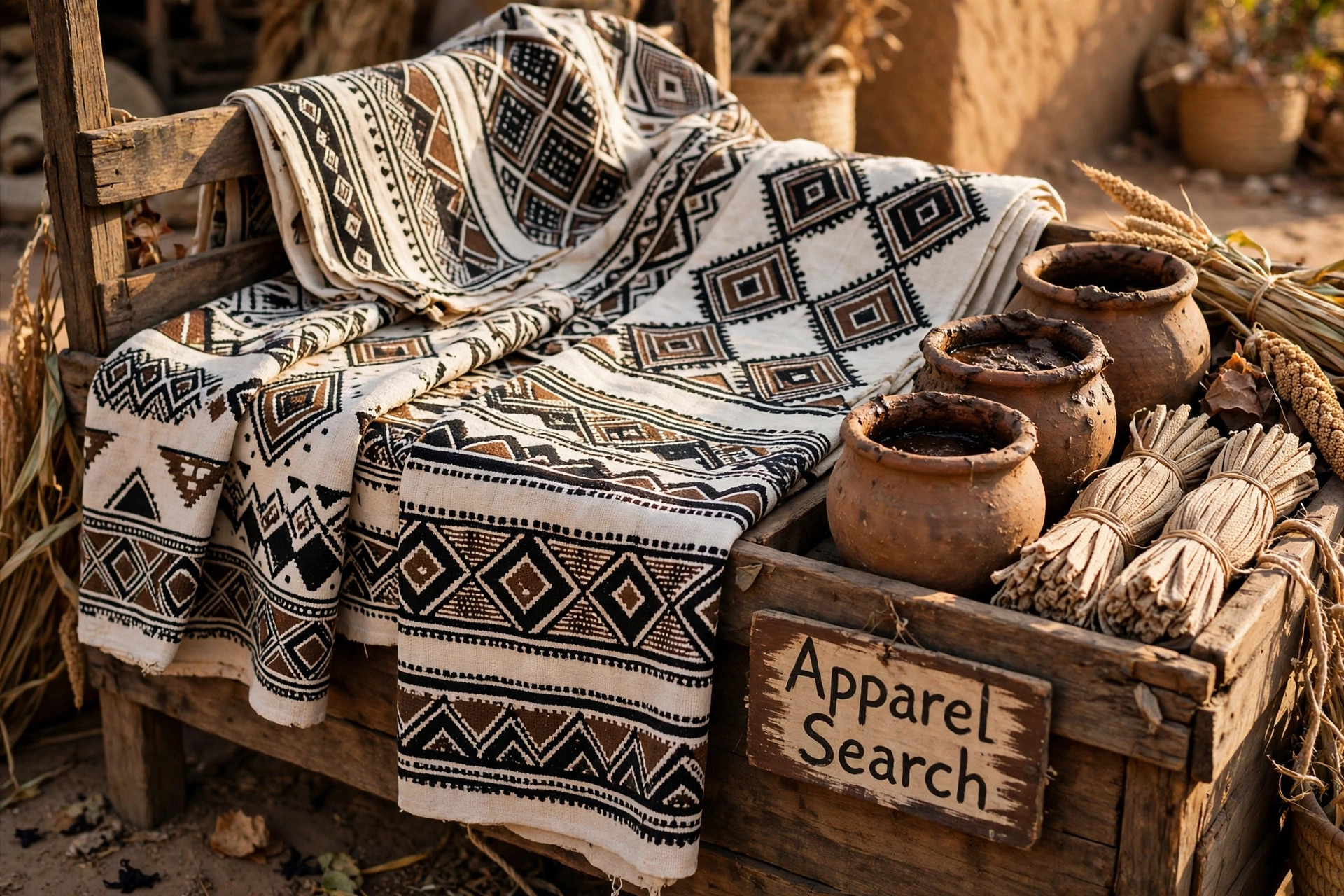
Handwoven cotton strips painted with fermented river mud — the Bamana cloth whose symbols record proverbs, events and protection.
Read the guide ↑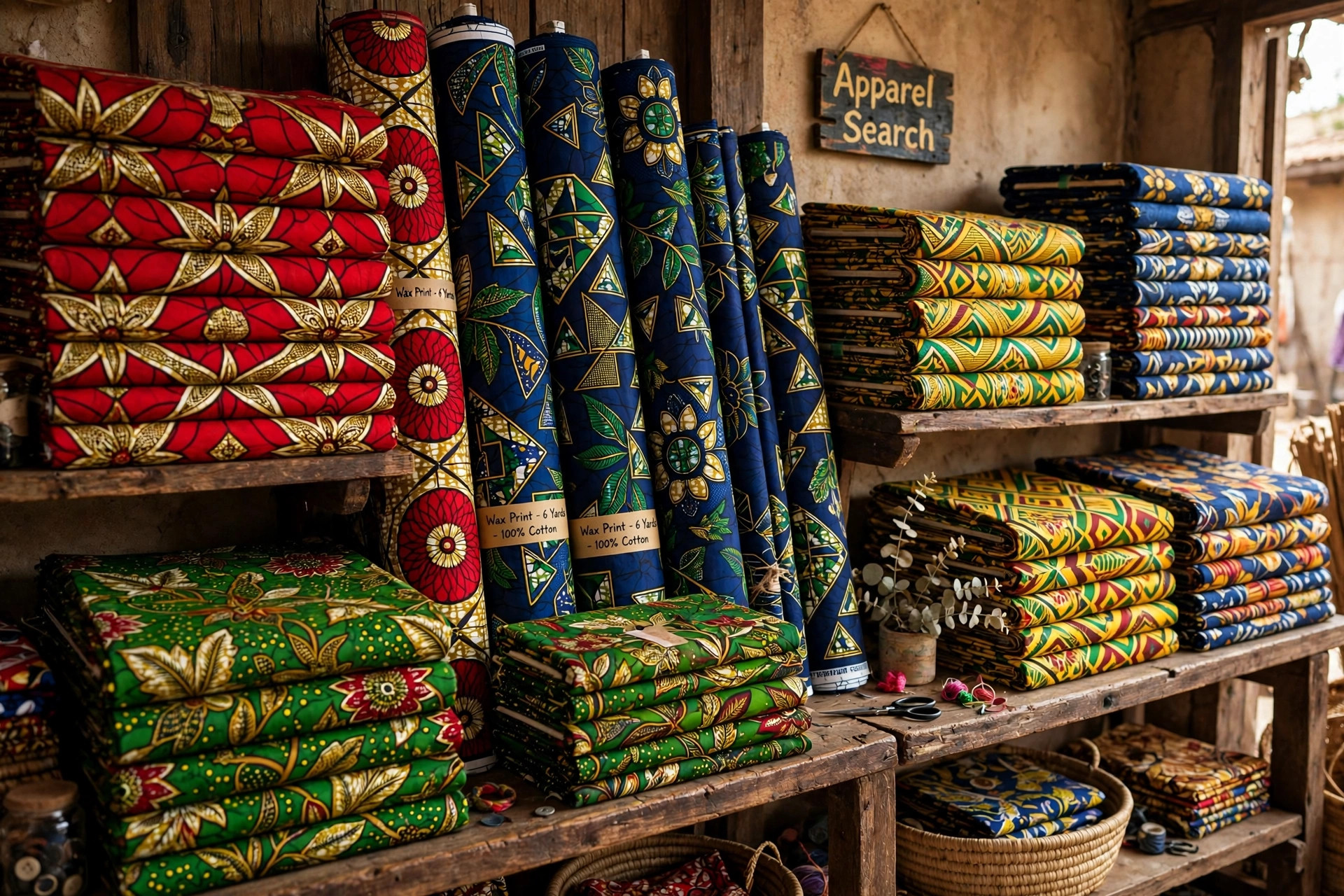
African Wax Prints
How Indonesian batik travelled through Dutch mills to become West Africa’s most eloquent cloth — named patterns, proverb names and the Nana Benz traders.
Read the guide ↑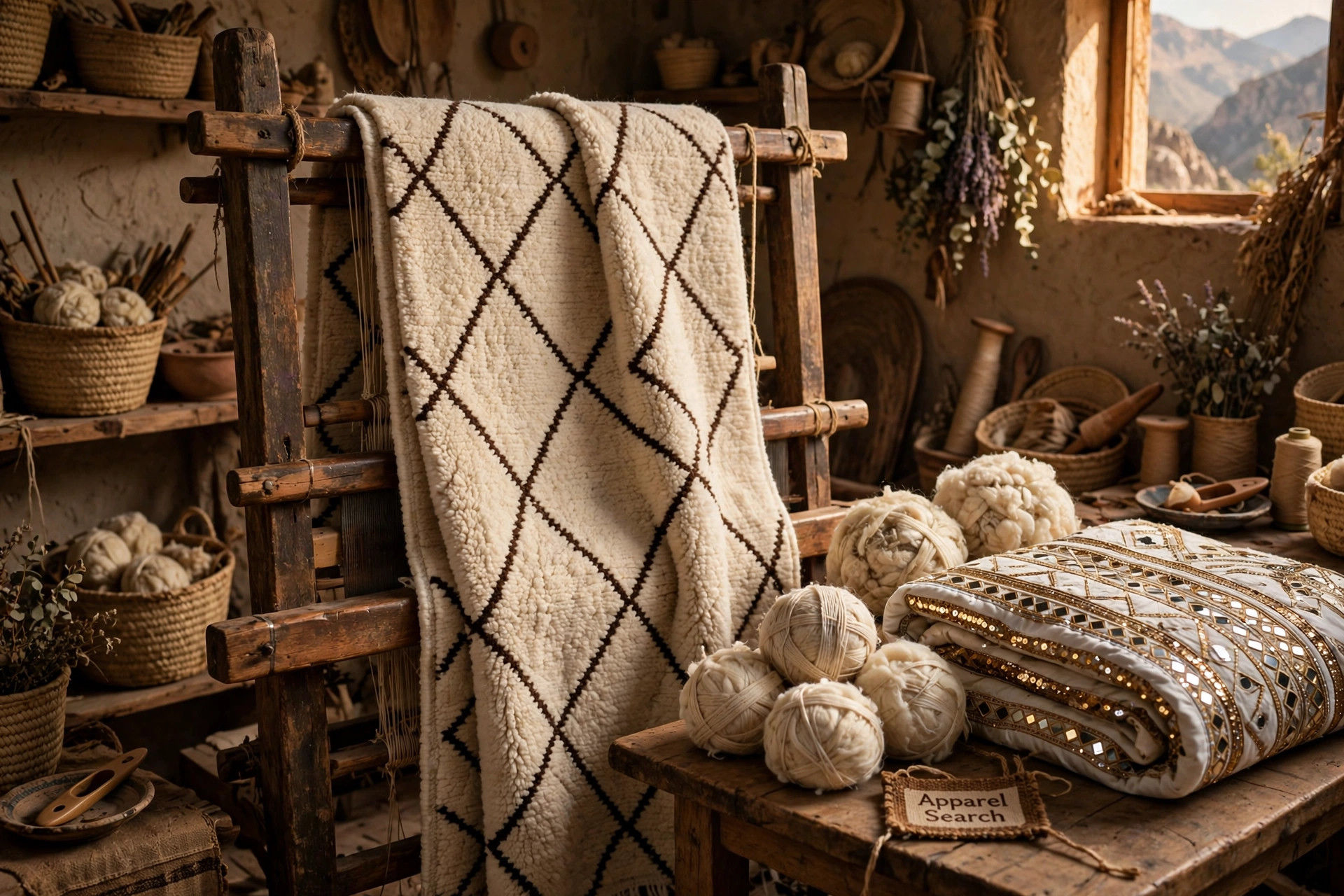
Moroccan Weaving
The woven Morocco: ivory Beni Ourain blankets of the Middle Atlas, hanbel flatweaves, sequinned wedding blankets and the truth about “cactus silk.”
Read the guide ↑South Asia
Cloths of Bengal & Western India
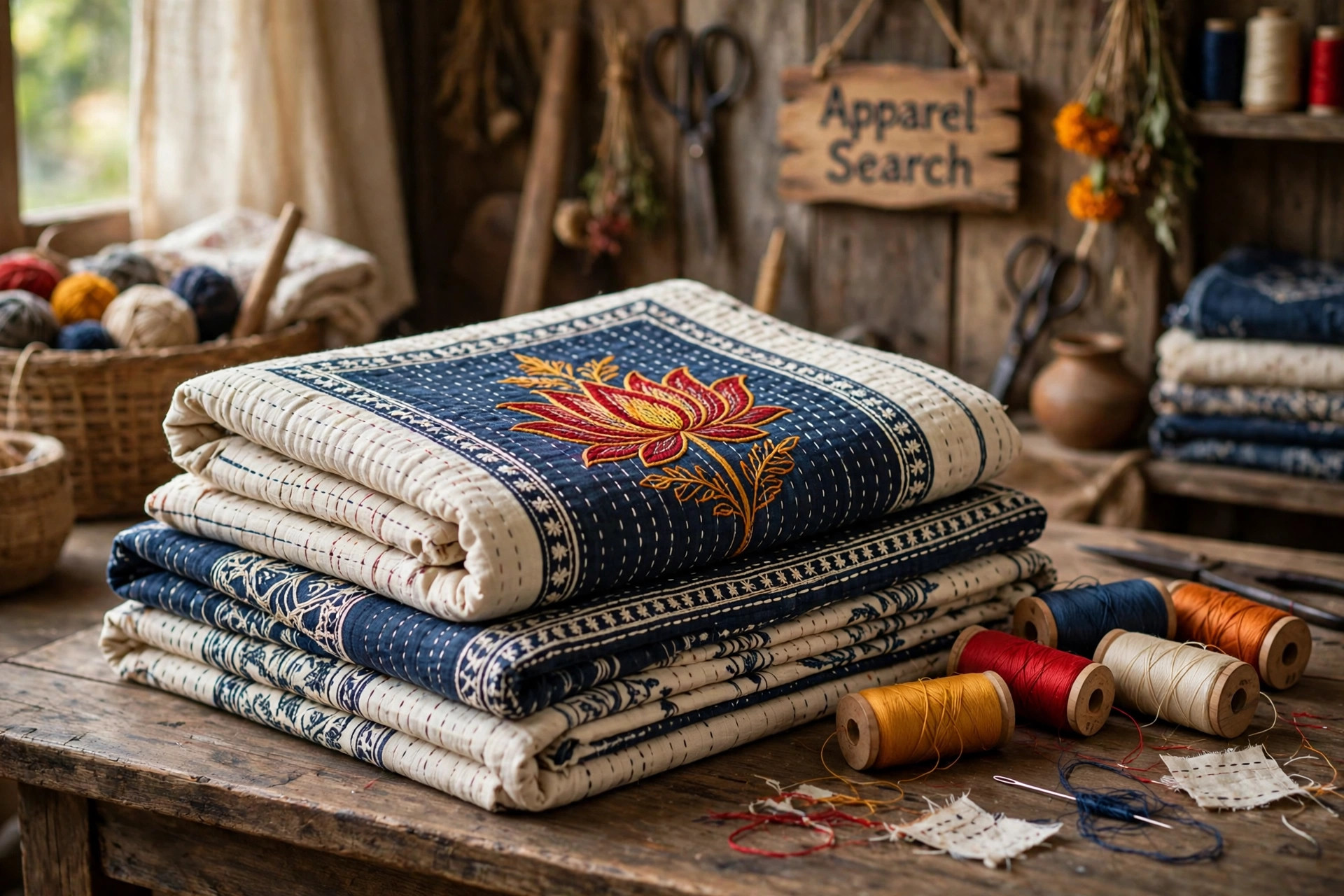
Kantha: Bengal’s Stitched Cloth
Worn-out saris layered and covered in running stitch — the embroidered quilts in which Bengal’s women stitched family history.
Read the guide ↑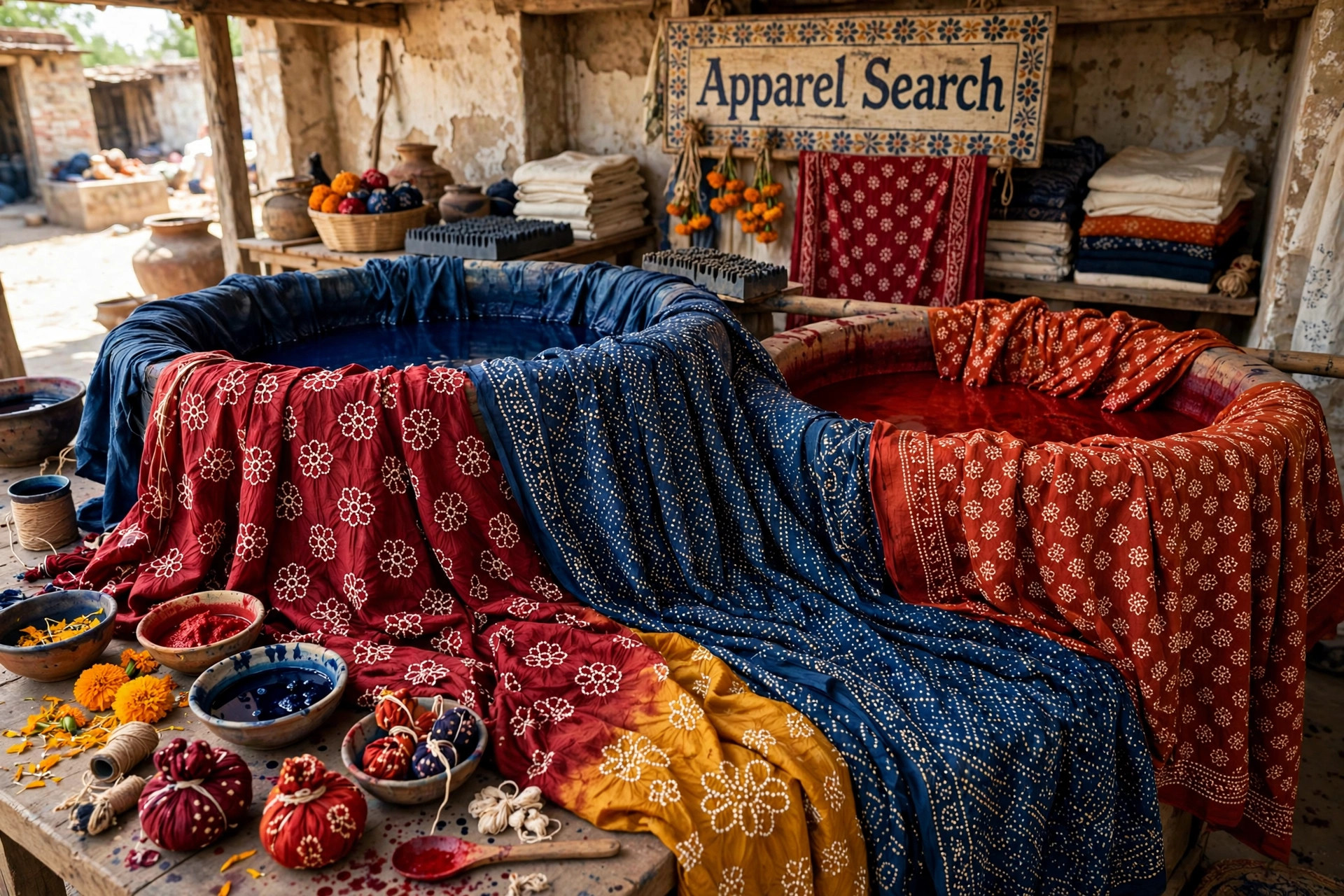
Bandhani: India’s Tied Dots
Thousands of pinched, tied dots dyed in stages — the bandhej cloth of Kutch and Rajasthan, from bridal chunri to festival leheriya.
Read the guide ↑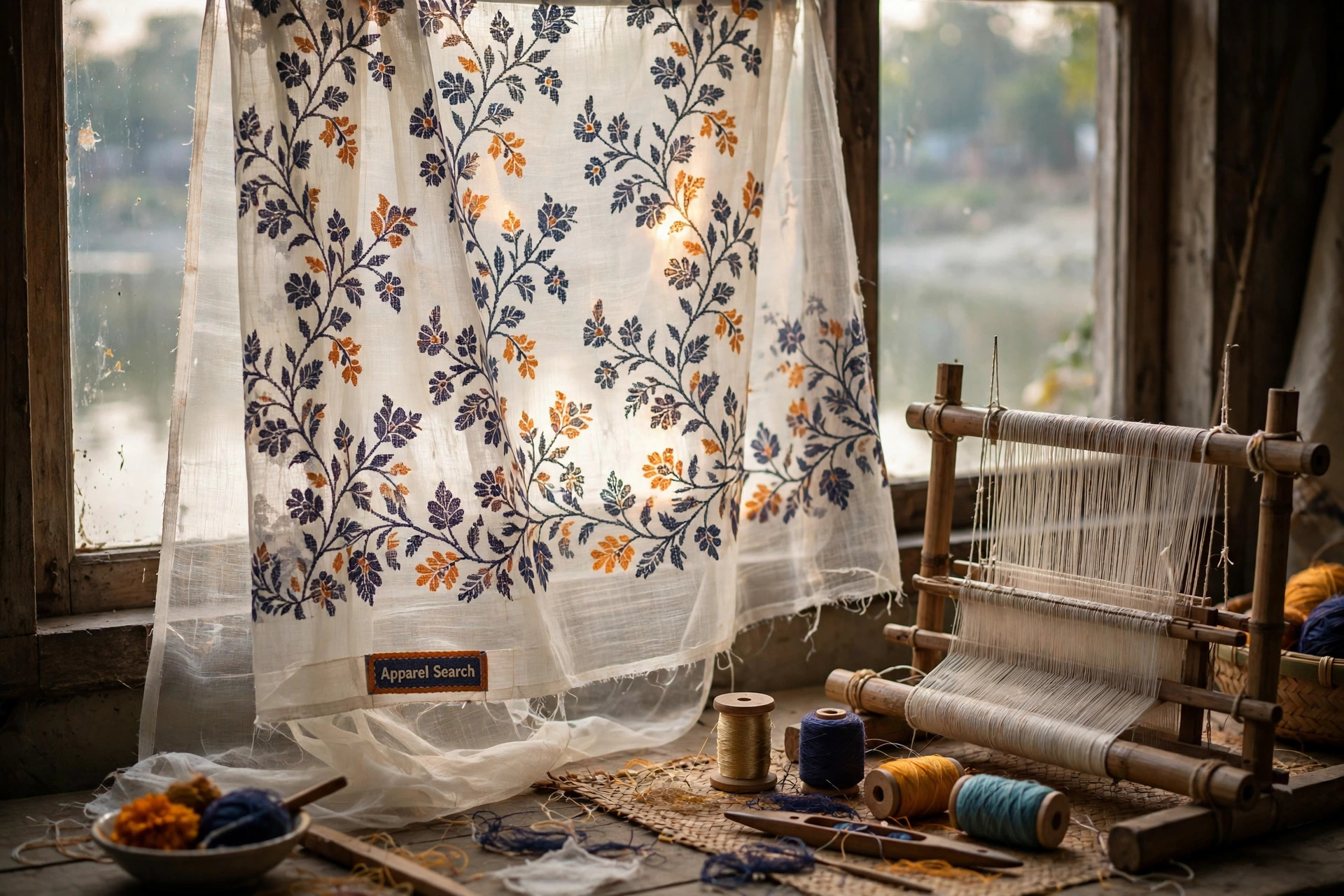
Jamdani: Bengal’s Woven Air
Motifs inlaid by hand into gossamer muslin on Dhaka’s looms — the figured cloth UNESCO lists among the world’s heritage crafts.
Read the guide ↑East Asia
Silk Arts of Japan & China
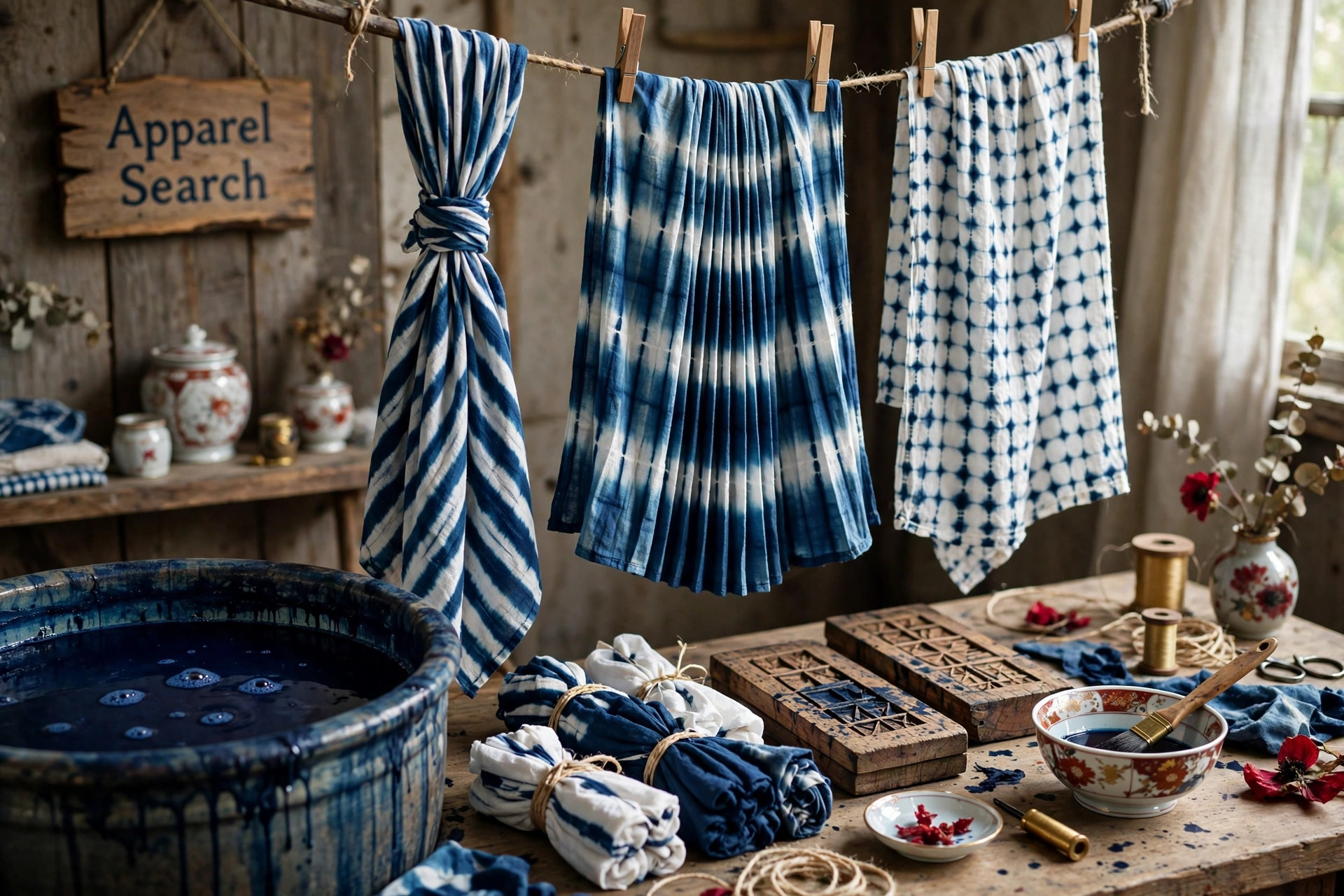
Shibori: Japan’s Shaped Resist
Six families of stitching, folding, clamping and pole-wrapping that shape cloth before the indigo vat — and the town of Arimatsu that lives by them.
Read the guide ↑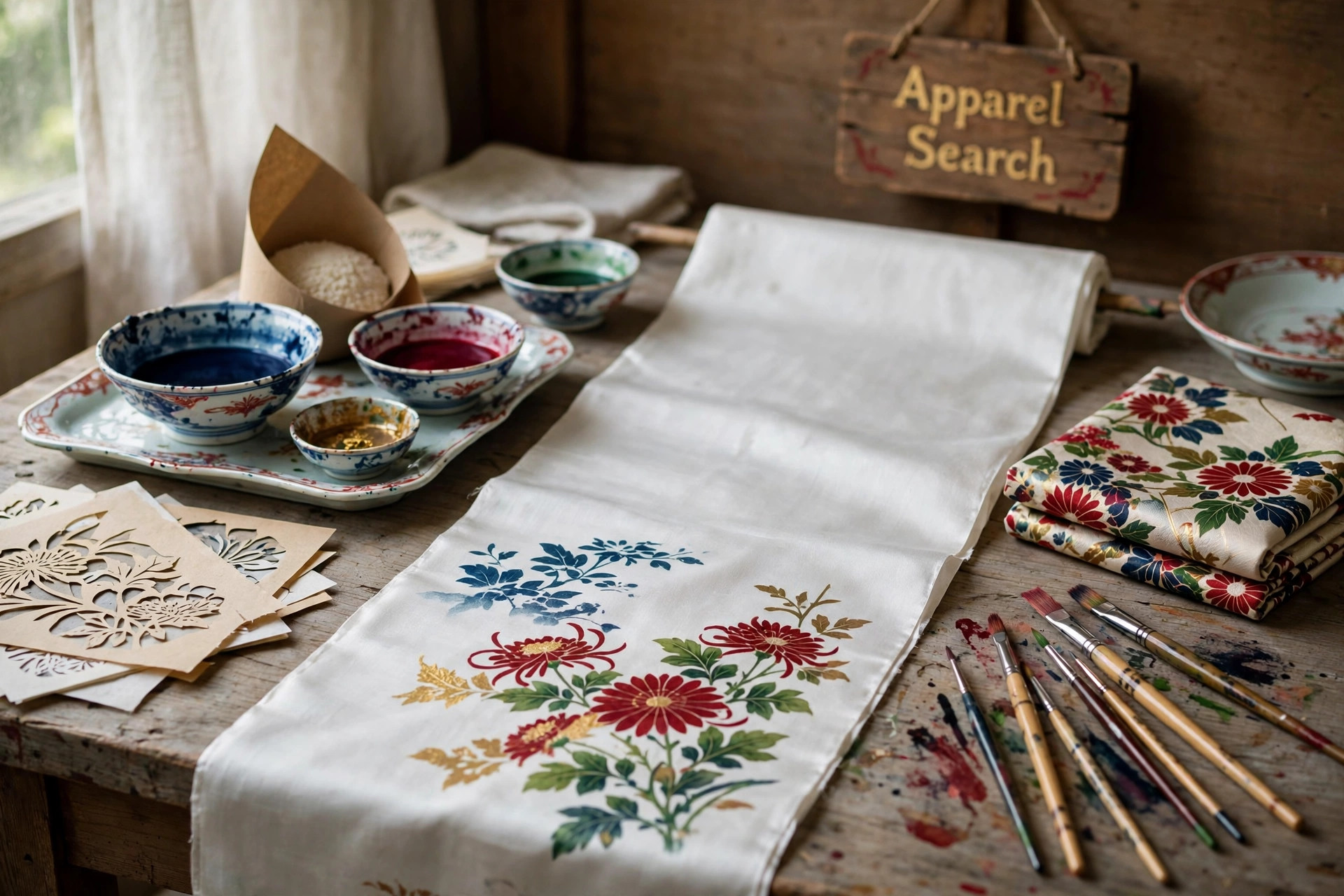
Yuzen & the Kimono Silk Arts
Painting pictures on silk with rice-paste resist: the yuzen process step by step, the rival schools of Kyoto and Kaga, katazome stencil and Nishijin weaving.
Read the guide ↑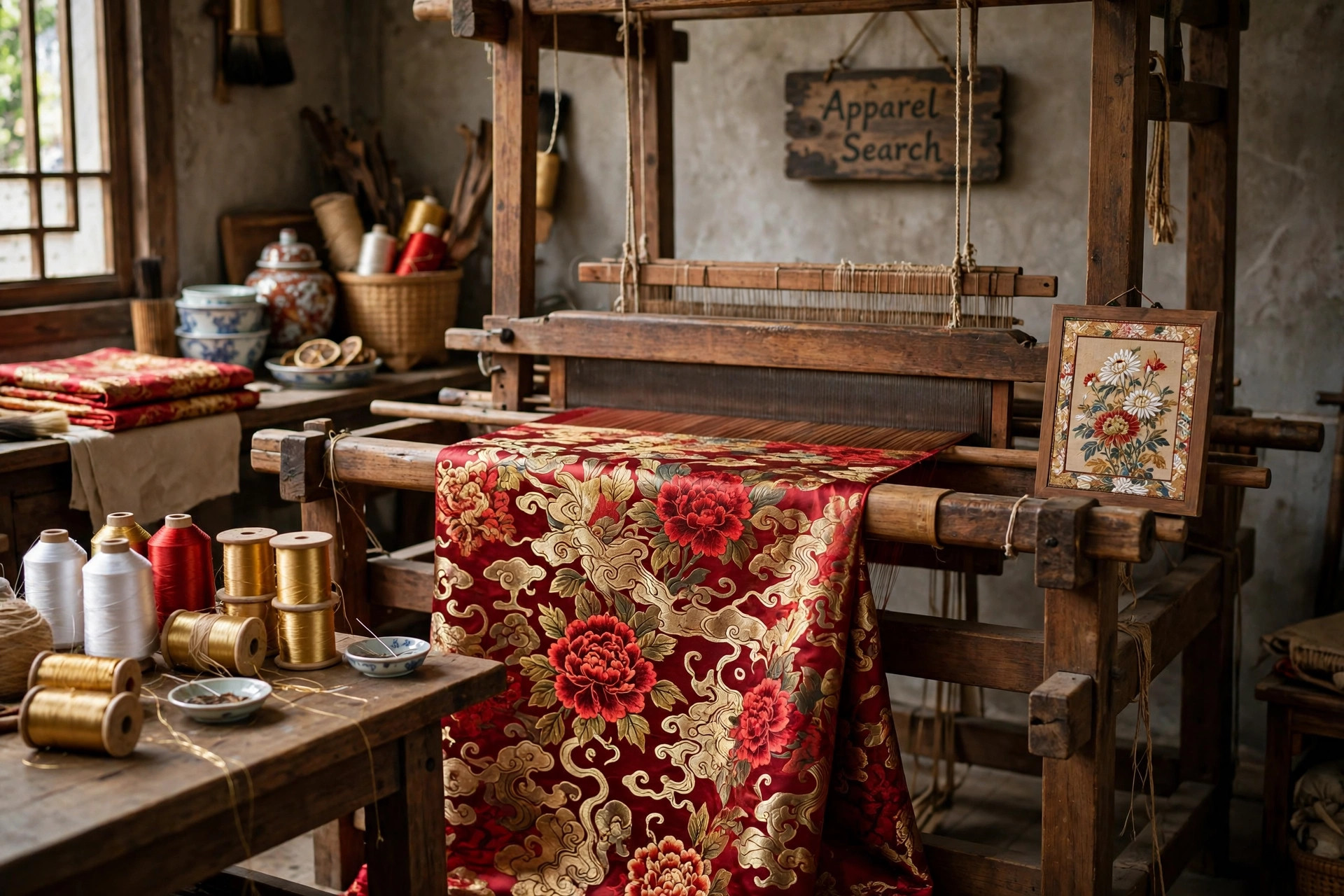
Chinese Brocades & Kesi
Nanjing’s cloud brocade woven two to a loom, the Song, Shu and Zhuang brocades, and kesi — the silk tapestry so fine it looks carved.
Read the guide ↑Central Asia & the Steppe
Embroidery & Felt of the Silk Road
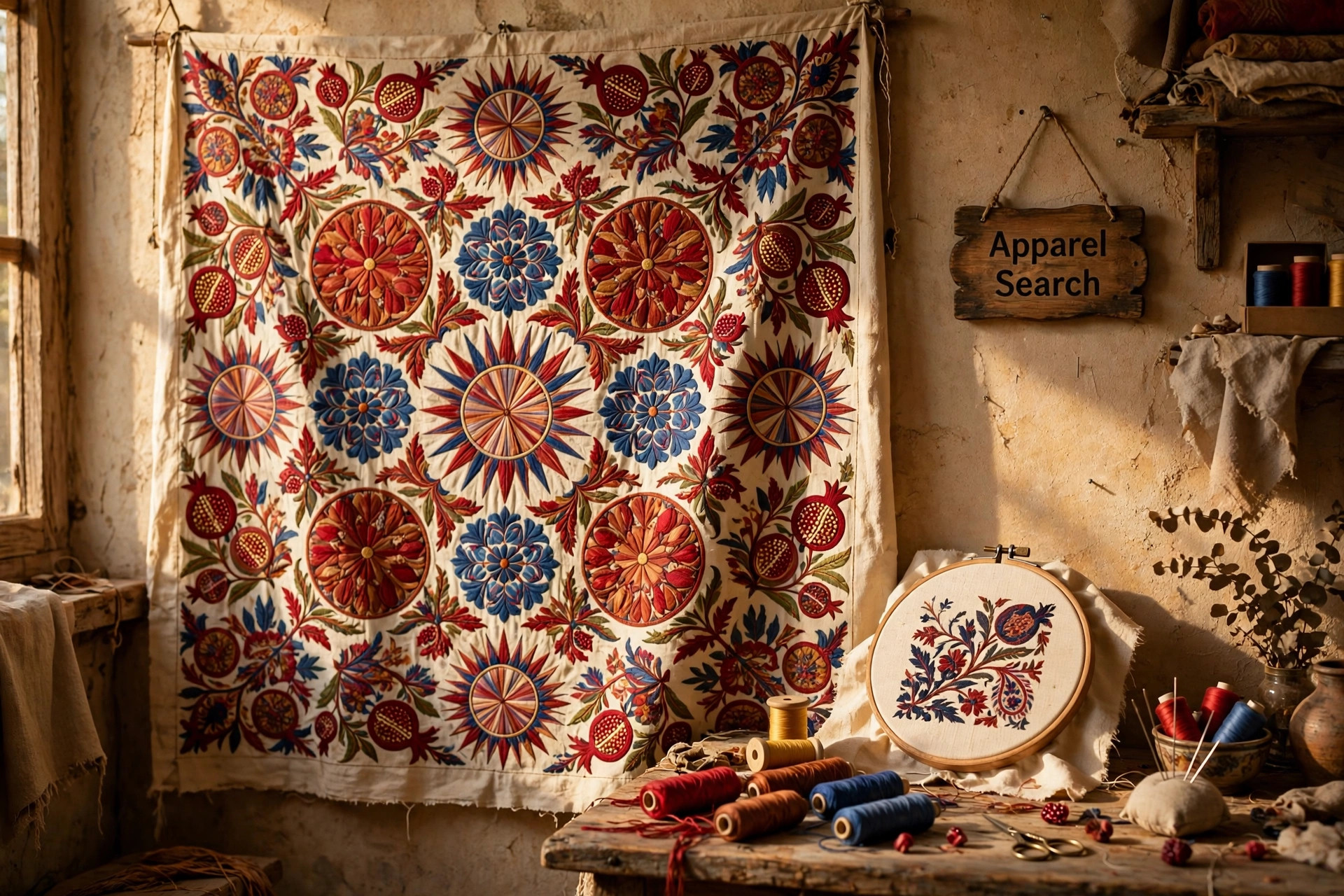
Suzani: Central Asia’s Dowry Embroidery
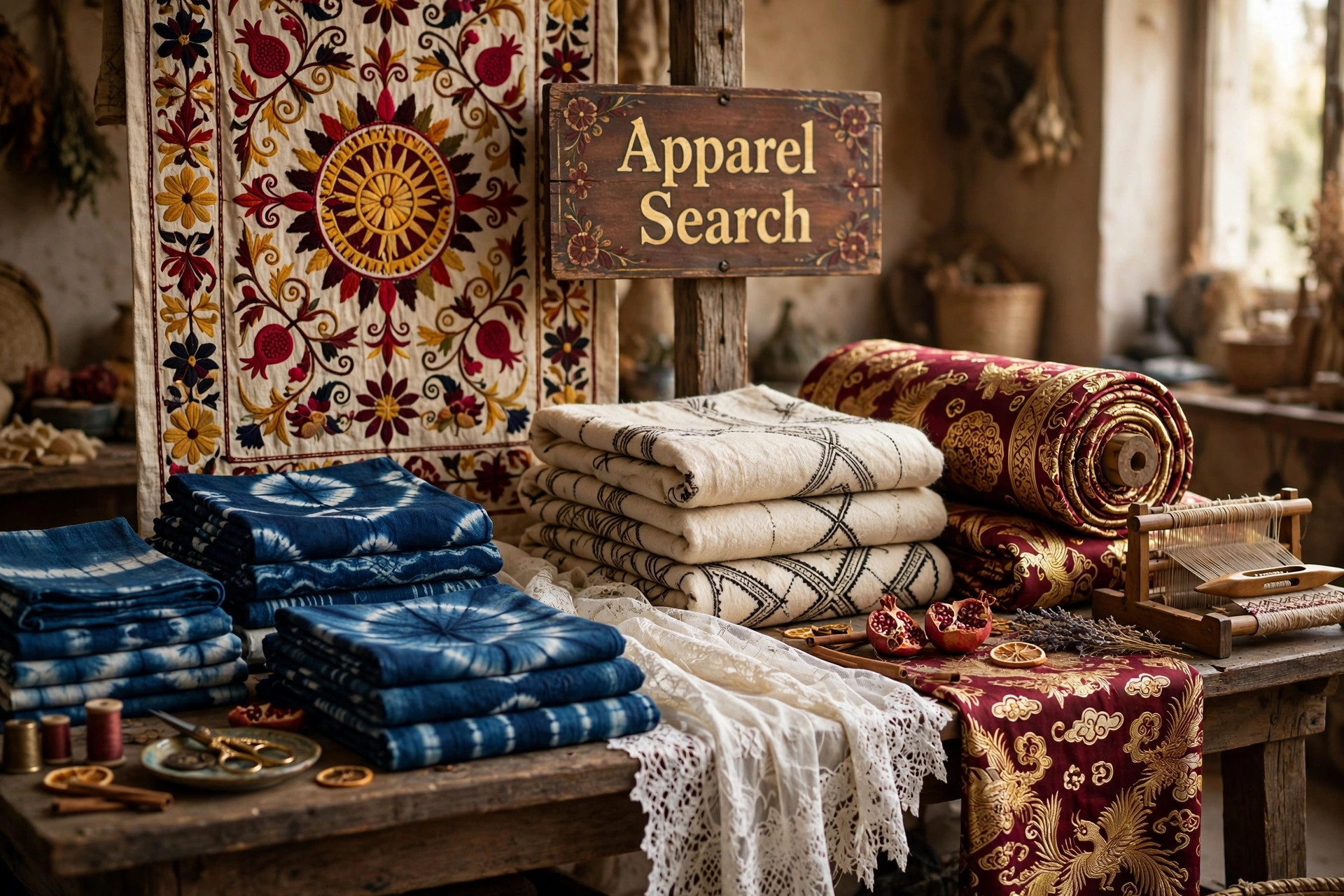
Great hand-embroidered hangings of sun discs and flowering vines, stitched panel by panel by the women of a bride’s family in Bukhara, Nurata and Tashkent.
Read the guide ↑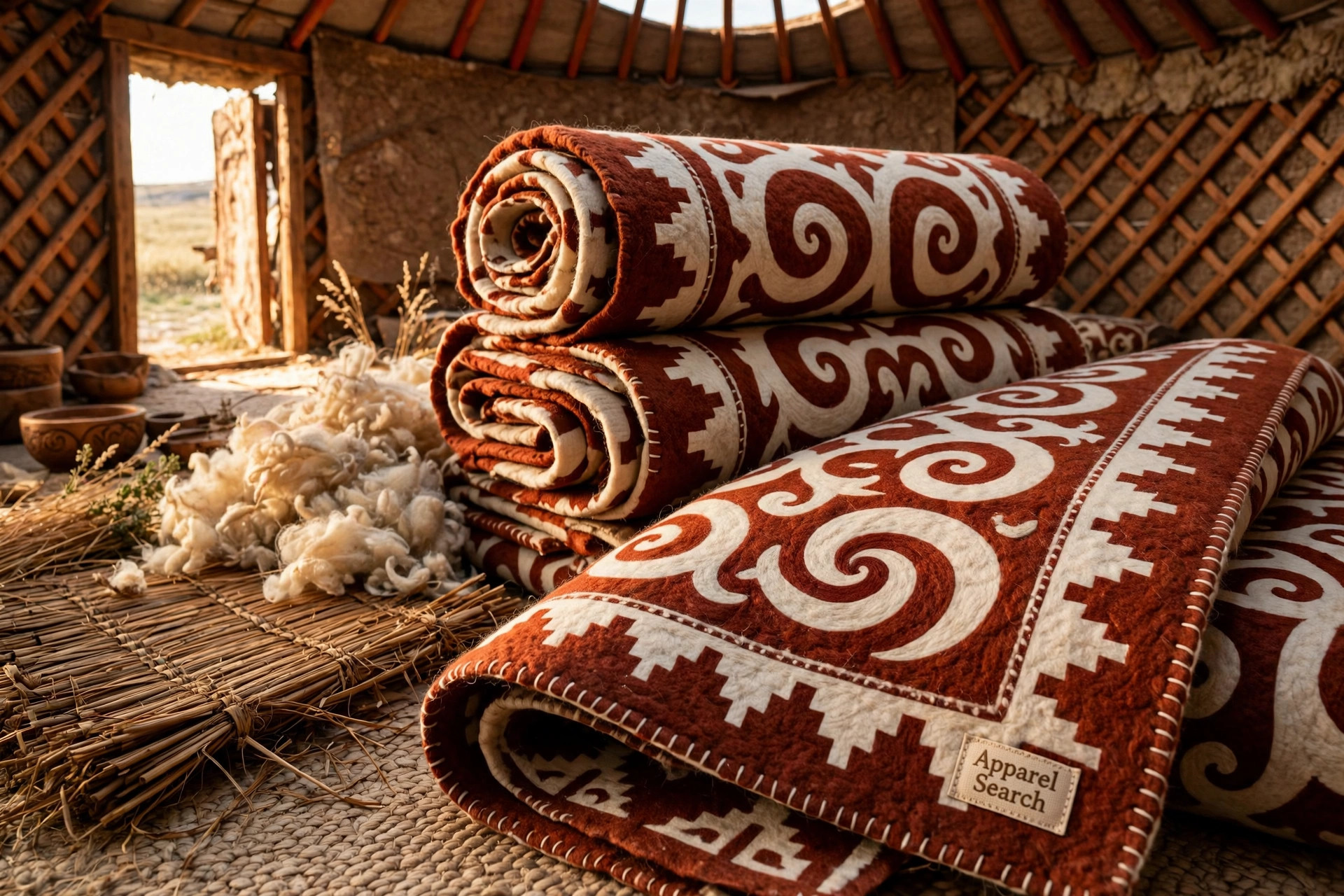
Felt of the Steppe: Shyrdak & Nomad Felt
Kyrgyz shyrdak mosaic rugs and ala-kiyiz inlay, the felt walls of the yurt, and a craft UNESCO lists as in urgent need of safeguarding.
Read the guide ↑Europe
Tweed & Lace
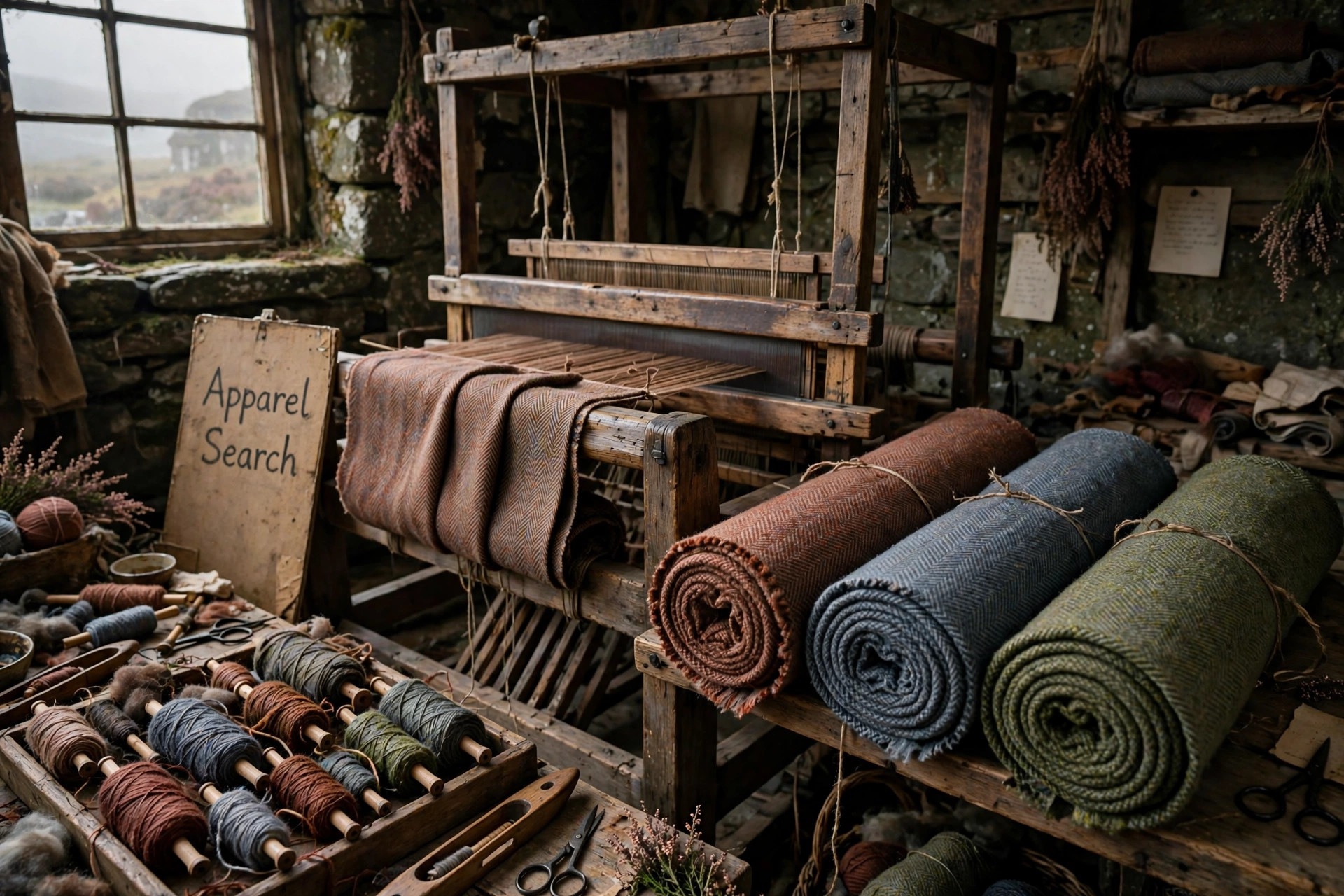
Harris Tweed & Donegal Tweed
The Orb-marked cloth protected by Act of Parliament and woven at islanders’ homes — and its flecked Irish cousin from County Donegal.
Read the guide ↑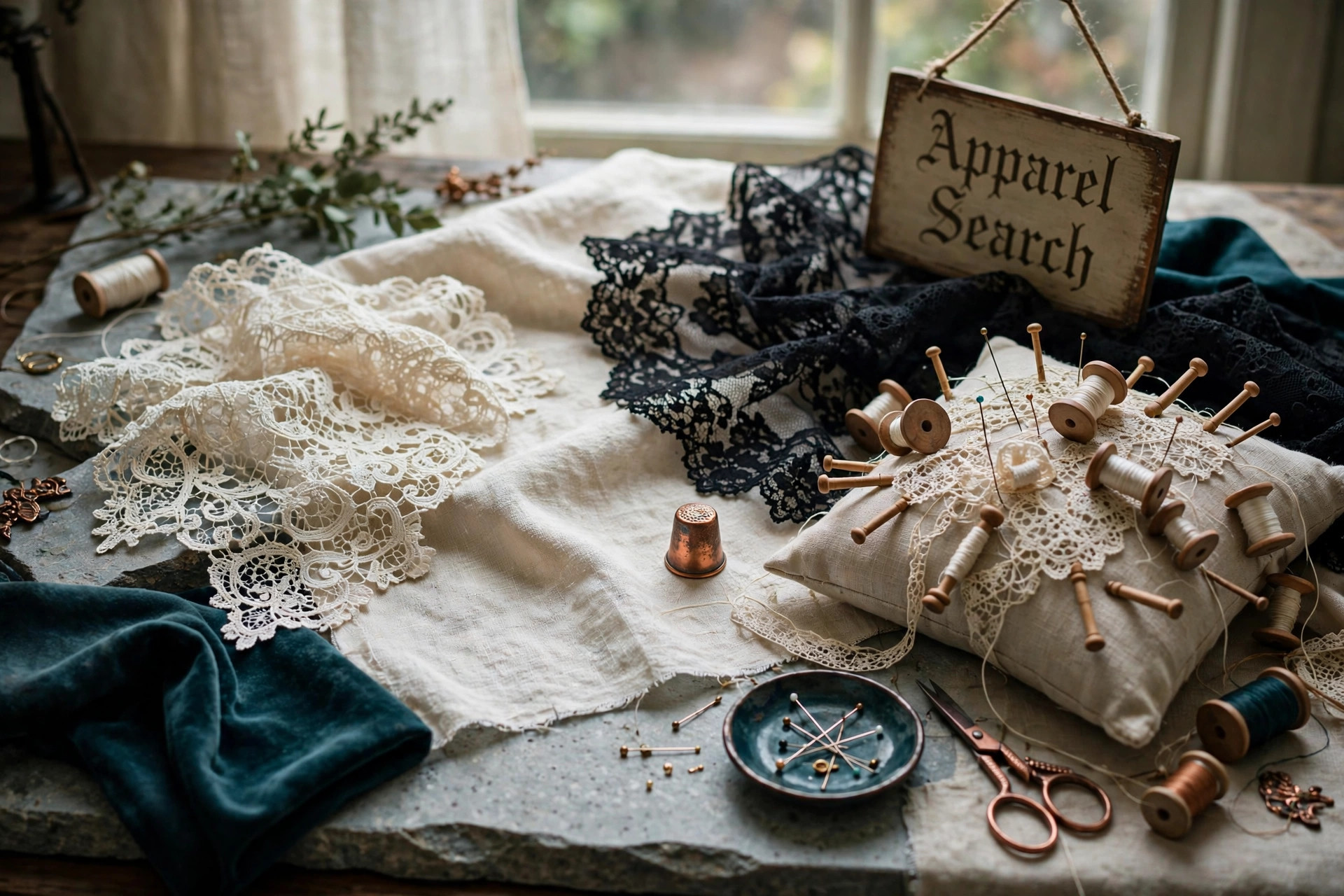
Lace Traditions of Europe
Burano needle lace, black Chantilly, Alençon’s UNESCO-listed stitches and Honiton’s royal wedding lace — the dowry economies of thread.
Read the guide ↑The Americas
Weaving Traditions of the Americas
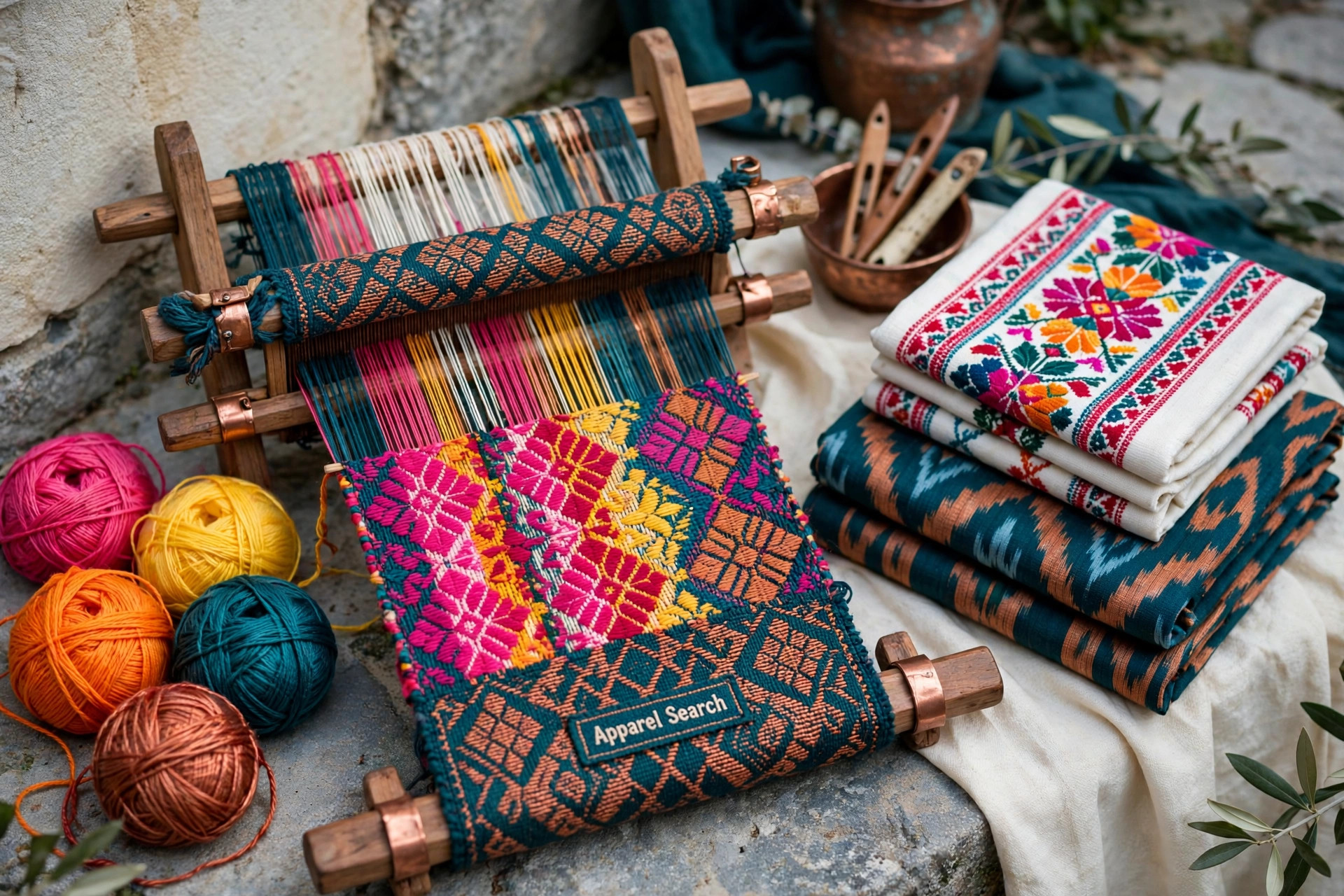
Mayan Weaving of Guatemala
The backstrap-loom system entire: brocade woven as it is imagined, jaspe ikat, and the town patterns by which a weaver’s home is read at a glance.
Read the guide ↑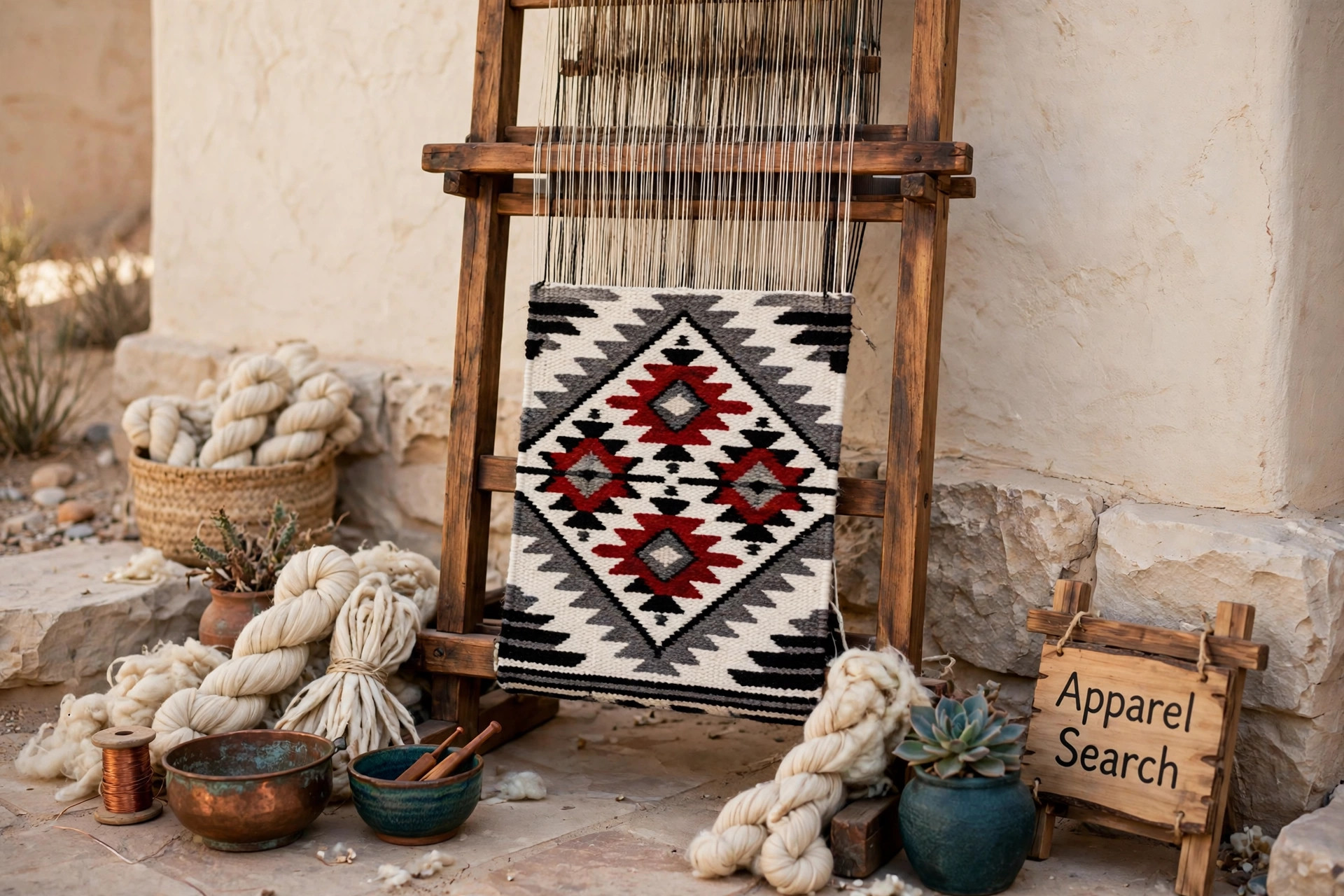
Navajo Weaving
From Chief Blankets to the regional rug styles of Two Grey Hills and Ganado — woven on the upright loom from the wool of Churro sheep.
Read the guide ↑The Sibling Section: Dress
Cloth is only half the story. Our Traditional Dress by Country series follows these textiles into the wardrobe — the sari that jamdani and kantha are cut from, the kimono that yuzen silk is painted for, the kilt sewn from tartan and worn with a tweed jacket. And for the fibres themselves — what silk, wool and cotton are and how they behave — the Fabric Guides cover the material facts each textile here is built on.
Already in the Library
Classics Covered Elsewhere on Apparel Search
These great cloth traditions already have full guides on the site, so they are linked here rather than repeated — together with the fifteen guides above, they complete the map.
Batik: The Resist-Printing Guide — wax-resist dyeing step by step, from canting work to cap printing.
Batik Definition — the short reference: tulis, cap, and how to test the real thing.
Kente Cloth of Ghana — the strip-loom cloth itself, told inside the Ghana guide of Traditional Dress.
Tartan and the Sett — threadcounts, crossings and the Register of Tartans, inside the Scotland guide.
Ikat Definition — warp, weft and double ikat across Asia and Guatemala, at near-guide depth.
Indian Block Printing — Bagru, Sanganer, Ajrakh and Kalamkari in the Printing Methods series.
Sashiko & Boro — Japan’s running-stitch mending tradition, told inside the visible-mending guide.
Thai Silk & Mudmee — Thailand’s weft-ikat silks and the Jim Thompson story, inside the Thailand guide.
Common Questions
Questions About This Series
What is the difference between World Textiles and Traditional Dress?
Traditional Dress covers the garments — what people wear, how outfits are put together and when. World Textiles covers the cloth itself: how each fabric is woven, dyed, stitched or felted, what its patterns mean, who makes it, and how designers use it today. The two sections link to each other throughout.
Are these textiles still made by hand today?
Yes — every cloth in this section is a living craft. Some are protected by law or heritage listing (Harris tweed by an Act of Parliament, jamdani and shyrdak by UNESCO inscription), and all of them support working weavers, dyers and embroiderers whose cooperatives and workshops sell to collectors and fashion houses worldwide.
Where are the guides to batik, kente and tartan?
They already exist elsewhere on Apparel Search, so this hub links to them instead of repeating them: batik in the resist-printing guide and its definition, kente in the Ghana guide of Traditional Dress, tartan in the Scotland guide, ikat in its definition, and block printing and sashiko in their own guides. See the Already in the Library section above.
How can I tell a handmade textile from a machine-made copy?
Each guide includes a collecting section with the tests that apply to its cloth — selvedge and reverse-side checks for jamdani and wax prints, the Orb label for Harris tweed, seam and stitch evidence for suzani and kantha. As a rule, handwork shows small irregularities, pattern that is structural rather than printed on, and a reverse side nearly as finished as the face.
Keep Exploring