Apparel Search Consumer Guides
Post-Surgery & Medical Dressing Guide
The clothing side of dressing after surgery and around medical needs — front openings, soft seams, step-in styles and small wardrobes that make getting dressed simpler, while your care team handles the rest.
There is a stretch of life — the weeks after an operation, or the longer business of dressing around a stoma, drains or dressings that must not be disturbed — when the ordinary wardrobe stops cooperating. Tops that pull on over the head ask too much of an arm that cannot yet reach upward. Small buttons defeat a hand that is working on its own. A waistband chooses exactly the spot where it is least welcome. The problem is not fashion; it is engineering, and it is mostly solvable with the right garment features.
This guide covers the clothing side of that stretch: the openings, fastenings, seams and shapes that make getting dressed a smaller job, and how to put together a small wardrobe for the period. It is the medical layer of a broader subject — our adaptive clothing guide covers everyday dressing ease in full, from magnetic closures to seated dressing. Here the focus narrows to garments made for after surgery and for dressing around medical needs day to day. Anything clinical belongs to your care team, and this guide hands those questions back to them wherever they arise.
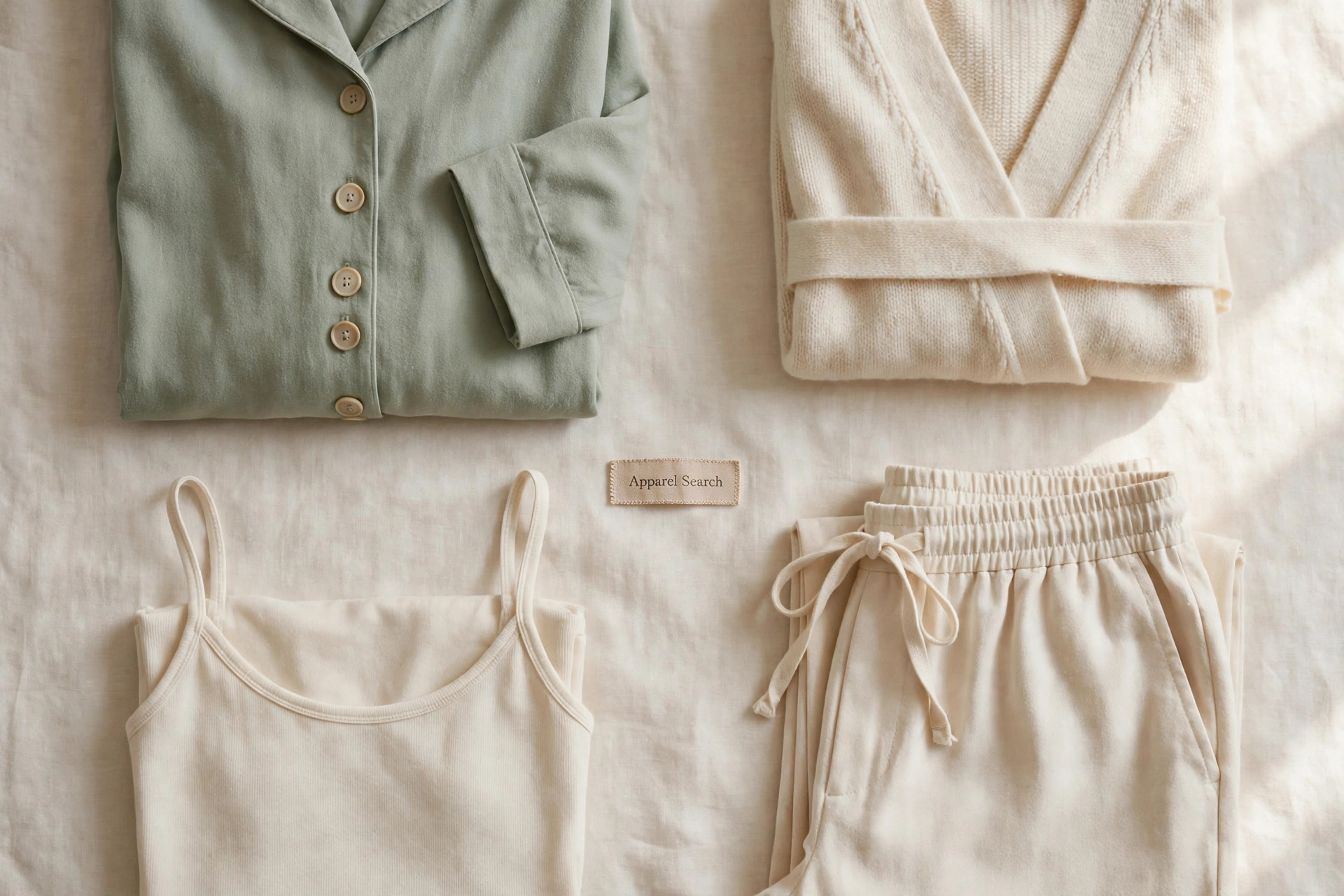
Search Apparel Search
The Guides in This Section
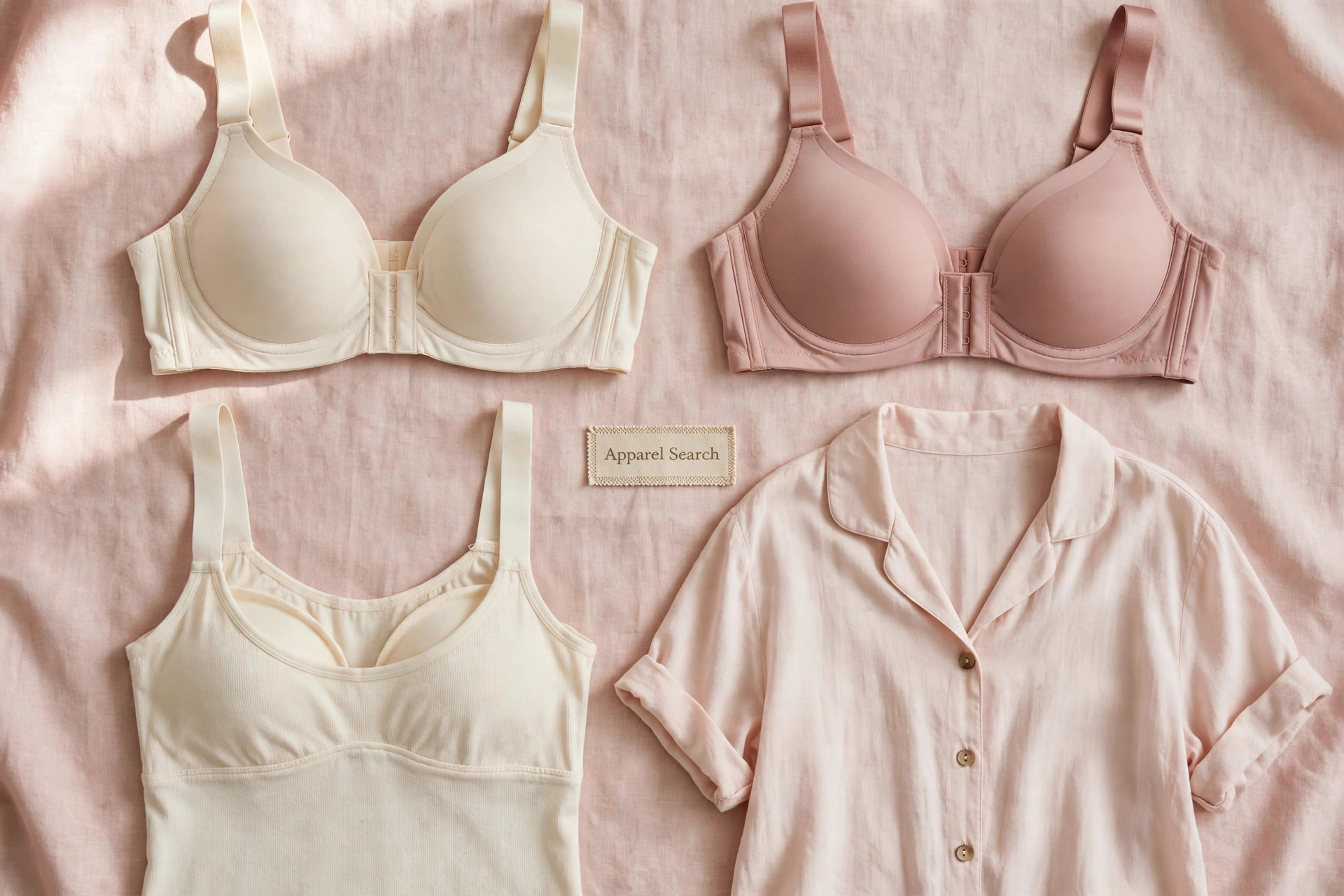 Mastectomy Clothing GuidePocketed bras and camisoles, front closures, drain-pouch features, and the strap, band and armhole details that decide comfort.
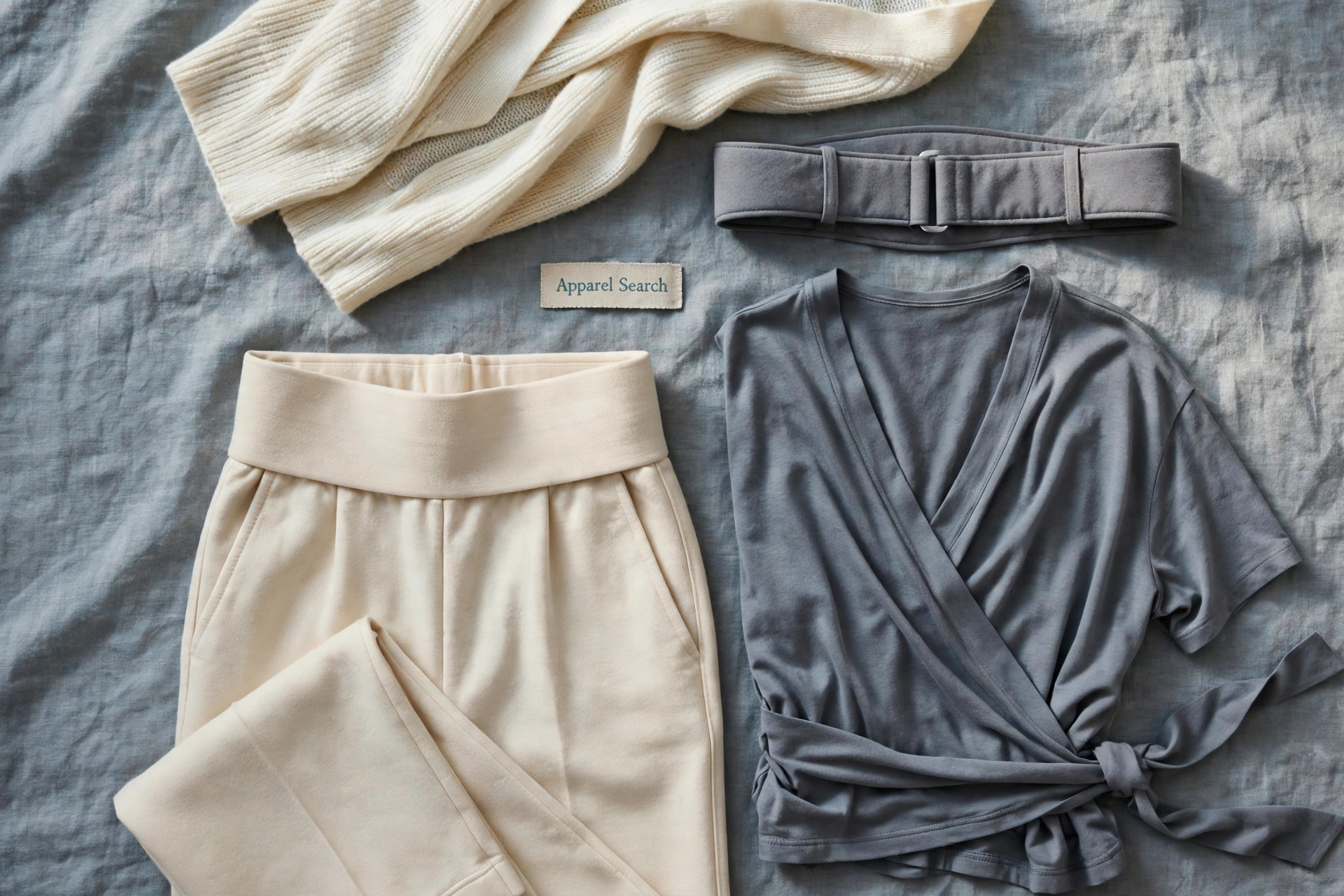 Dressing with an OstomyWhere a waistband can sit, support belts and wraps as garment categories, and clothes that keep a pouch comfortable and unobtrusive.
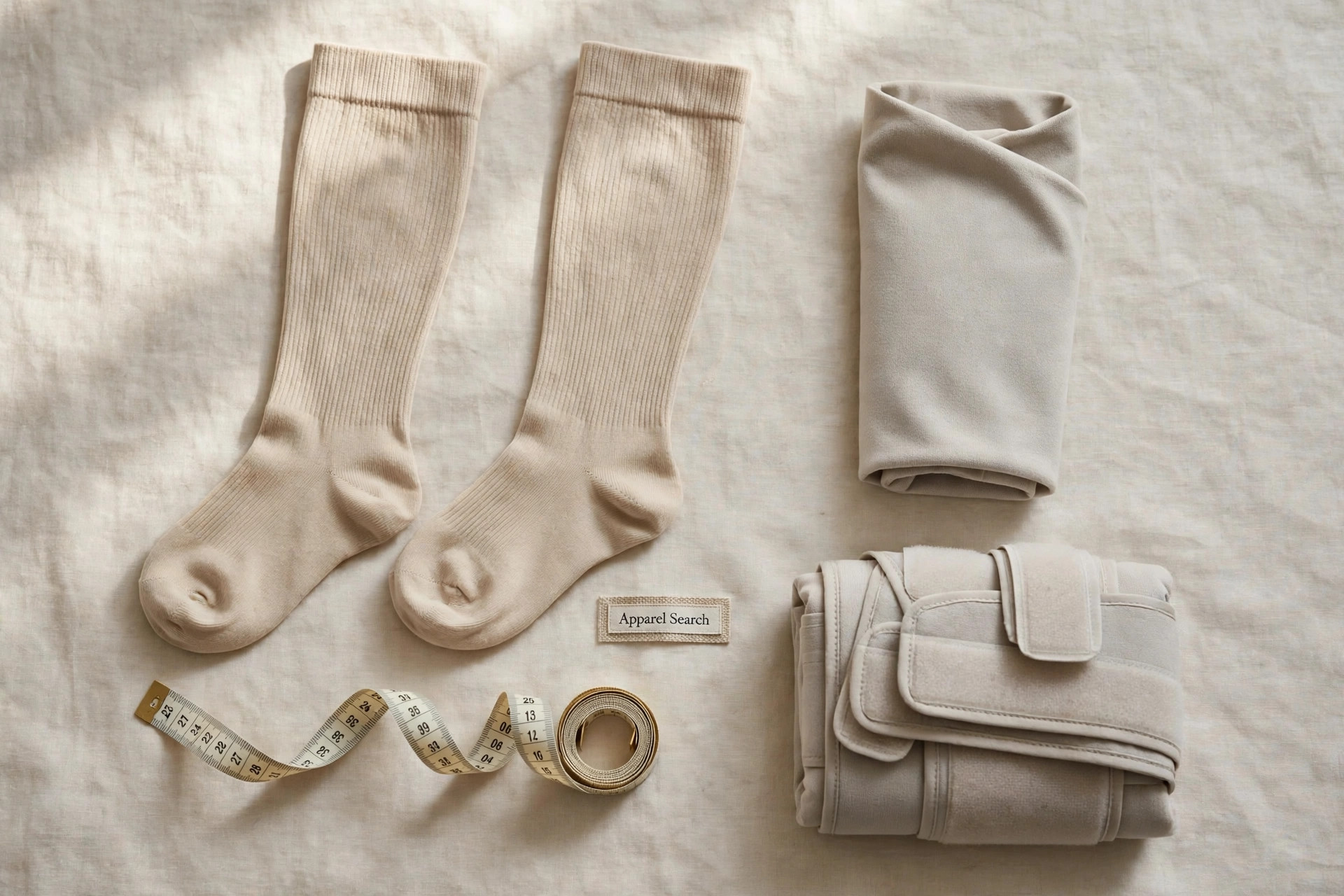 Compression Garments ExplainedSleeves, stockings, wraps and post-surgical garments — how makers label their levels, and how measuring and fitting work.
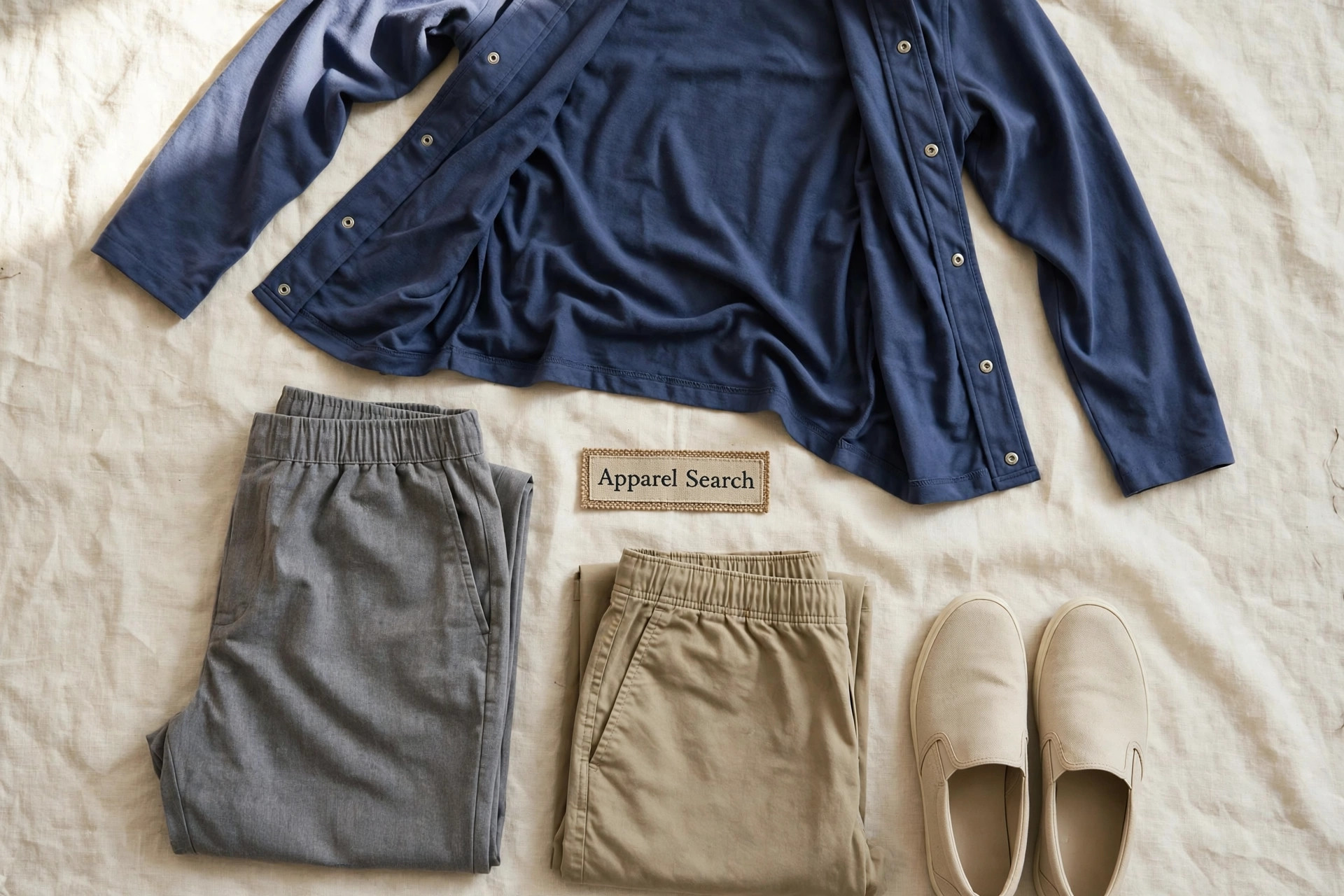 Dressing After AmputationSeated dressing routines, one-handed fastenings, side-opening garments, and clothing cut to fit around a prosthesis.
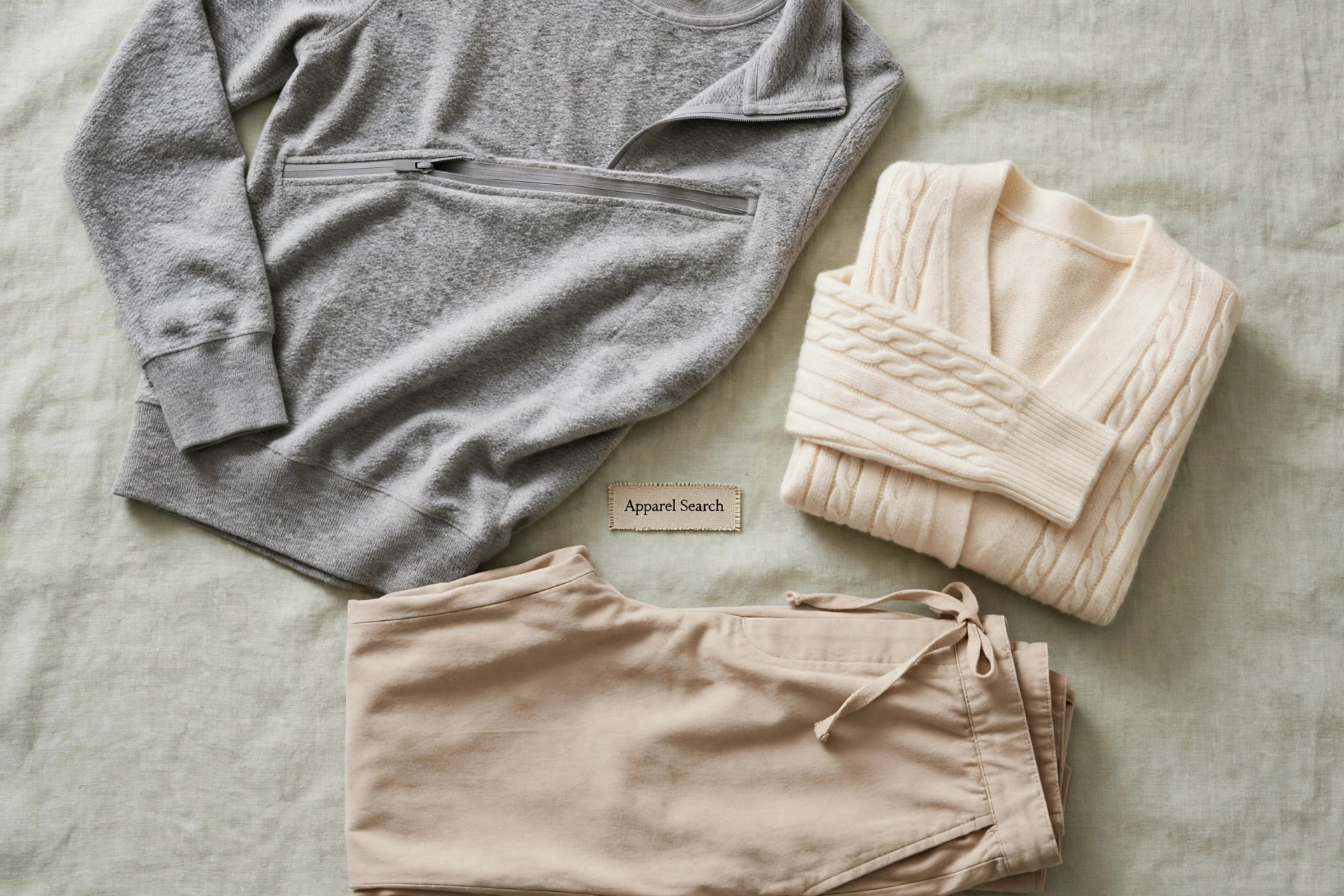 Clothing for Infusion & Port AccessTops with zipped, snapped or lift-aside openings over the chest and arm, and warm layers for long appointment sessions.
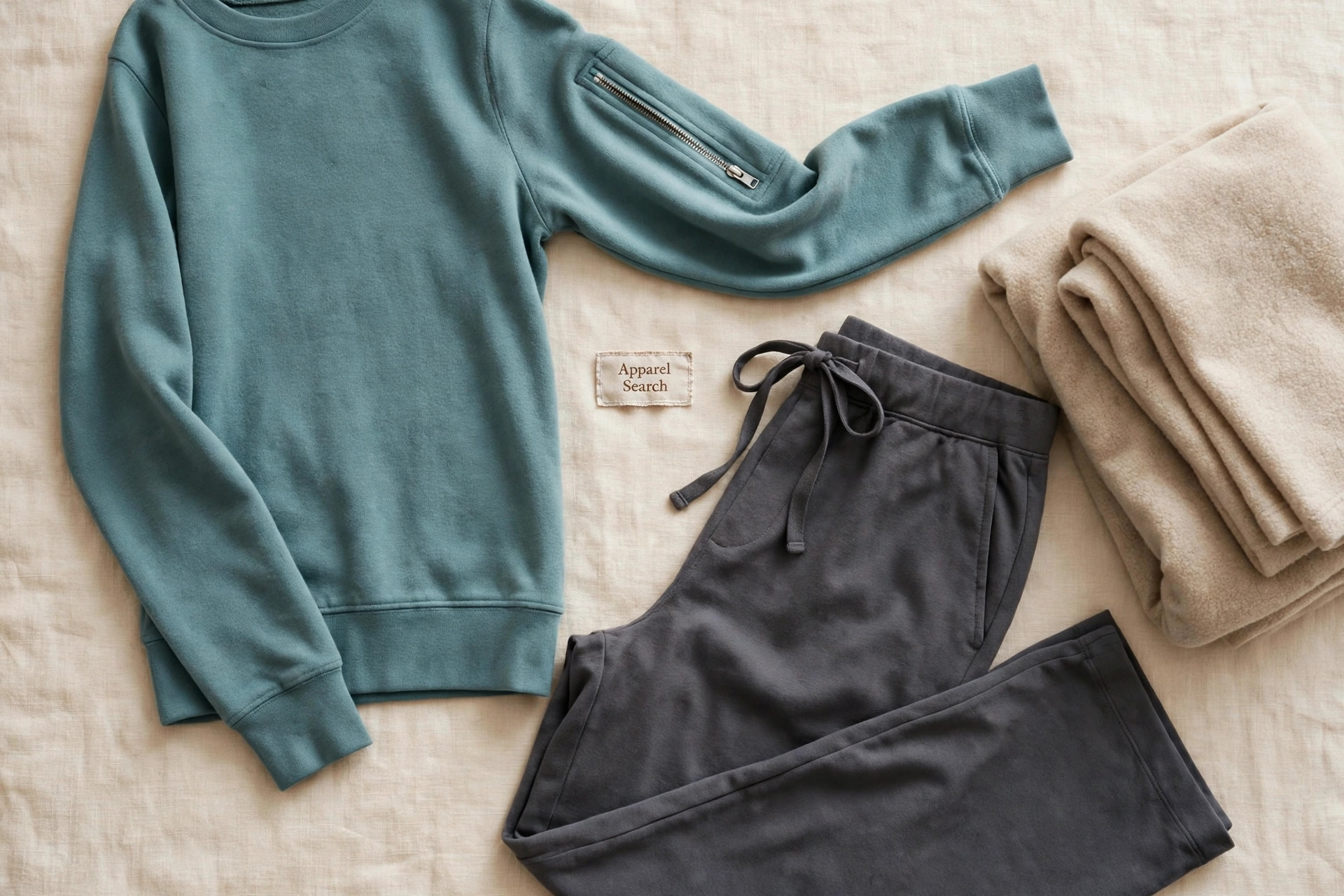 Dialysis-Friendly ClothingAccess openings at the arm or leg, adjustable waistbands for peritoneal dialysis, and comfort for hours in the chair.
Start with the Opening
Every garment in this section earns its place first by how it opens. The styles that work when reach is limited share one quality: none of them asks you to raise both arms overhead or reach behind your back.
- Front closures. Shirts, pajama tops, bras and dresses that fasten down the front — buttons, snaps, zips or hooks — go on like a coat: arms into the sleeves at waist height, then fasten where you can see. It is the single most useful feature in this whole guide.
- Step-in styles. Pull-on trousers, skirts and one-piece garments with wide, elasticated openings that you step into and draw up, ideally while seated, with no fastening at the back.
- Wide and stretch necklines. A generous neck opening, or one with enough stretch to pass over the head without raised arms, keeps ordinary tops in play.
- Shoulder and side openings. Snaps or hook-and-loop tabs at the shoulder let a top be laid on rather than pulled on — a design borrowed from the adaptive ranges, where our adaptive clothing features guide explains the full vocabulary of openings, including open-back styles for dressing with help.
Fastenings You Can Work with One Hand
When one arm is out of action, or grip is limited, the fastening becomes the garment. Large buttons are easier than small ones; a zip with a ring or tab pull can be worked with one finger; hook-and-loop tabs fasten with a press of the palm; snaps need less precision than buttons. Magnetic closures hide behind an ordinary button front and close with a light touch — with one label-reading caveat: makers often print a caution about magnetic fastenings and implanted medical devices, so read the maker's notes and check with your care team if that applies to you. Small tools close the remaining gap: a button hook pulls a button through its hole with a single grip, and a dressing stick helps guide sleeves, straps and hems into place.
Seams, Fabrics and Sensitive Skin
Skin that has dressings on it, or that is simply tender and easily marked, notices construction that ordinary skin ignores. Look for seams that are finished flat or placed away from the body, coverstitched or bound edges rather than raised overlocking, and labels that are printed or tagless. Smooth fabrics — soft cotton jersey, modal, smooth microfibre — slide over dressings instead of catching on them, and natural-fibre layers worn next to the skin keep things simple to launder. Avoid, against tender areas, the decorative rough stuff: scratchy lace edges, coarse embroidery backs, stiff interlinings and rigid trims. Our sensory-friendly clothing page covers fabric feel, seams and labels in much more depth.
Dressing with Limited Reach
A few inexpensive aids turn dressing from a negotiation into a routine. A reacher or grabber fetches garments and helps guide trouser legs; a long-handled shoe horn and elastic laces make footwear a seated job; a sock aid draws socks on without bending double. The routine matters as much as the tools: sit down to dress, lay the clothes out in the order they go on, open every fastening fully before you start, and keep the aids where the dressing happens rather than in a cupboard across the room. Dressing seated is also the pattern behind our wheelchair clothing guide, where the same lay-out-in-order approach is standard practice.
Planning a Small Recovery Wardrobe
- Two or three front-opening tops. Button-front shirts or pajama tops and a wrap cardigan cover most days and most visitors; choose soft fabrics you can wash constantly.
- Step-in bottoms with kind waistbands. Drawstring or wide elastic waists, placed where they suit your situation — the ostomy guide in this section covers waistband placement in detail.
- The specialist layer, only where you need it. A pocketed post-surgical bra, a support wrap, a compression garment: buy these to the specification you have been given, not speculatively.
- Sleepwear that opens at the front. Nights and rest times are most of the early days; front-button pajamas and a soft robe earn their keep.
- Slip-on shoes and a dressing corner. Shoes that need no bending or laces, and one chair with your dressing aids beside it, make the whole routine smaller.
Whose Call Is It?
This guide covers garments: features, fit, fabrics and fastenings. Your surgical team or clinician decides anything that touches an operation site or a dressing, when a garment can be worn, and what level of compression is right for you. If their instructions and a product description disagree, their instructions win — and when in doubt, ask them before you buy, not after.
Three further guides cover dressing around ongoing situations rather than a single operation: dressing after amputation, with seated routines, one-handed fastenings and prosthesis-friendly fit; clothing for infusion and port access, built around tops that open over the chest or along the arm; and dialysis-friendly clothing, where access openings and adjustable waistbands do the work. The features underneath are the same ones this page introduces — openings first, then fastenings, seams and fit.
A further family of guides covers dressing with an ongoing condition rather than around an operation. Dressing with Parkinson’s and dressing with arthritis both start from the fastening — closures that cope with tremor, and closures that ask nothing of a sore grip. Dressing after stroke sets out the one-handed routine, affected side first, that the amputation guide also uses. Dementia-friendly dressing is written for caregivers: familiar styles, a simplified wardrobe and garments a helper can manage calmly. The small tools all of them rely on are catalogued in dressing aids and tools; the short-term version of the same thinking is dressing with a cast or injury; and headwear for hair loss covers turbans, scarves, sleep caps and wig basics at the garment level.
Sensitive skin has a dressing guide of its own in this family: our eczema-friendly clothing guide covers the fibers, flat seams, printed labels and laundry habits that define sensitive-skin ranges — for adults, and in a dedicated page for children — at the garment level throughout.
Common Questions
What clothing features matter most after surgery?
The opening comes first: garments that fasten at the front, step in, or open at the shoulder, so nothing has to be pulled over the head or reached for behind the back. After that, look for fastenings you can work with one hand, seams finished flat, and fabrics that feel smooth against the skin. The exact shortlist depends on the operation and your own situation, which is why this guide covers features rather than instructions.
How is this different from adaptive clothing?
They overlap, and many garments belong to both. Adaptive clothing is the broader subject: everyday clothing redesigned to make dressing easier, from magnetic closures to seated rises. This guide covers the medical layer within it — the weeks after an operation, dressing around drains and dressings, pocketed post-surgical bras, ostomy-friendly waistbands and compression garments — while our adaptive clothing guide covers the everyday dressing-ease side in full.
Can ordinary clothes work, or do I need specialist garments?
Ordinary clothes do a surprising amount of the work. Button-front shirts, wrap tops, cardigans, drawstring trousers and slip-on shoes are standard wardrobe pieces that already carry the right features. Specialist garments earn their place where a feature does not exist off the rail: a pocket sewn into a bra cup for a breast form, a support wrap sized to go around a pouch, or a compression garment knitted to a labelled level.
Who decides what I should wear after an operation?
Your surgical team or clinician decides anything clinical: what may rest against a dressing or an operation site, when a particular garment can go on, and what level of compression is right for you. This guide covers the clothing side — the features to look for and the questions to ask when you shop — and wherever their instructions and a product description disagree, their instructions win.
Everyday Dressing Ease, Covered in Depth
The medical layer sits on top of a broader subject: clothing designed to make dressing easier every day — magnetic closures, seated rises, open backs, tagless comfort and more. Our adaptive clothing guide is the full tour, with the feature vocabulary and the retail directory.
The medical wardrobe has a ground floor: the socks and shoes worn under everything else. One category designs both from the inside out — socks with non-binding tops and seamless toes, shoes with extra depth and seam-free interiors — and our diabetic socks and footwear guide covers it as clothing: the features, the fitting, and how to read the labels.
A neighbouring fit subject sits just outside the medical layer: clothing for little people and adults of short stature, whose proportions differ from standard patterns altogether — covered in our little people & short stature clothing guide.Adaptive Clothing Guides and Resources
- Eczema-Friendly Clothing
- Adaptive Clothing Features
- Adaptive Clothing for Seniors
- Wheelchair Clothing Guide
- Sensory-Friendly Clothing
- Adaptive Clothing Retail Directory
- Children's Adaptive Clothes Guide
- Dressing with Parkinson’s
- Dementia-Friendly Dressing
- Dressing with Arthritis
- Diabetic Socks & Footwear
- Dressing After Stroke
- Dressing Aids & Tools
- Dressing with a Cast or Injury
- Headwear for Hair Loss
Please note: Apparel Search is a fashion and clothing guide, not a medical authority. Pages in this section describe clothing features and dressing ideas only. We make no claim that any garment or special product will improve, treat, or help with any medical condition, and descriptions of product features reflect how those products are designed and marketed, not a medical endorsement. Please check with your own doctor or care team about what is right for you.