Women's Plus Size Clothing Guide — Page 3
Page 3 of the plus size clothing guide goes beyond the core wardrobe into extended sizes, specialist fits and niche categories — and shows how to navigate the full guide series.
Shop Women's Plus Size Clothing Guide Page 3 Now
Shop Women's Plus Size Clothing Guide Page 3 on Amazon Shop Women's Plus Size Clothing Guide Page 3 on eBayThe Amazon and eBay links on this page are affiliate links. If you make a purchase through them, Apparel Search may earn a commission.
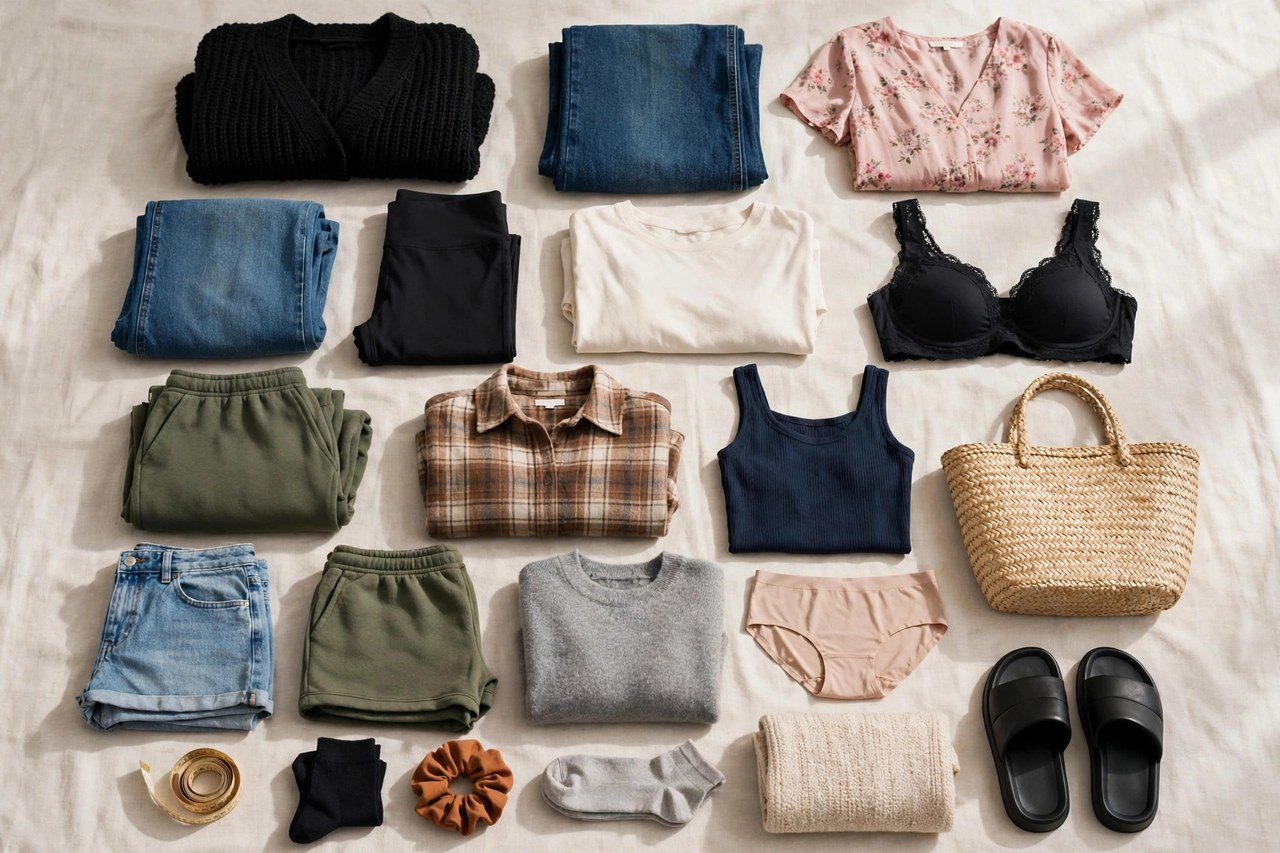
Welcome to page 3 of the plus size clothing guide. Pages 1 and 2 of the series cover the core wardrobe: everyday categories, basic fit and the most-shopped garments in sizes 14W to 3X. This page is the index to everything beyond that core, the extended and specialist plus topics that serve fewer shoppers but matter enormously to the women who need them: sizes above 3X, petite-plus and tall-plus proportions, plus maternity, adaptive clothing, occupational ranges and hard-to-find categories like proper plus rainwear and occasion dressing.
Use this page as a map. Each section below explains what makes one specialist area different from standard plus sizing, the fit problems to watch for, and the kind of dedicated guide or retailer that serves it best. Plus fashion has grown by specialization, and knowing which niche you belong to, sometimes two at once, is the fastest route from frustrating general shopping to ranges designed around your actual measurements and life.
Extended and Super Sizes: Above 3X
Extended plus, often labeled 4X, 5X, 6X or numeric sizes 26W to 38W and beyond, is not just more of the same grade. Above 3X, bodies diverge more, not less: weight distributes differently between bust, stomach, hip and arm, and a single pattern must make real choices about where its room lives. The best extended ranges re-draft rather than enlarge, adding a curved waistband, deeper armholes shaped rather than simply bigger, reinforced seams and waistbands, and hardware sized to carry real strain.
Shopping extended sizes means prioritizing brands that publish full measurement charts up to their largest size, show models across the range, and stock the full size run rather than token pieces. Expect fewer in-store options and plan online orders with two sizes when returns allow. Beware the opposite trap as well: garments cut so generously for ease that they lose all structure. At larger sizes, construction, seam quality and fabric weight matter more, not less, to how long a piece lasts and how clean it looks.
Crossed Proportions: Petite-Plus, Tall-Plus and Maternity
Proportion crossings are where standard plus ranges fail most often. Petite-plus shoppers, under about 5'4" and size 14W up, need plus circumference with shorter rises, inseams, sleeves and torso lengths; a regular plus garment hemmed everywhere still places knees, waists and pockets wrongly. Tall-plus shoppers need the opposite: added length in body, sleeve and inseam without narrower shoulders. Both groups do best with brands that cut a dedicated petite-plus or tall-plus block rather than a hem service.
Plus maternity is its own block again, combining plus hip and bust room with a belly panel, under-bump or side-ruched construction that changes across trimesters. Postpartum and nursing-friendly plus pieces extend the category further. The common rule for every crossed proportion is to fit the dimension that cannot be altered, rise, torso length or belly construction first, and treat simple hems as the only routine fix. A garment drafted for your crossing will outperform a standard plus piece tailored at three points, every time.
Specialist Categories Worth Seeking Out
Several categories reward specialist shopping at any plus size. Adaptive plus clothing adds magnetic or hook-and-loop closures, seated-rise trousers and open-back designs without looking medical. Plus workwear and uniform ranges build in abrasion-resistant fabrics and real pocket capacity. Plus activewear, swimwear and rainwear each solve movement, support and coverage problems that general ranges handle badly, and plus occasion and bridal lines offer structured dresses with proper boning, cups and straps sized for plus busts rather than pinned into place.
Intimates deserve the same specialist mindset: plus bras graded by band and cup, shapewear sized by measurement rather than dress size, and hosiery with plus thigh and tummy panels. When a general retailer disappoints twice in one category, move to a label that makes only that category. Specialists publish better charts, employ fit models in your size, and design details, from wider straps to stronger elastic, that general lines treat as optional extras rather than the whole point of the garment.
How to Use This Guide Series
The plus size section of Apparel Search is organized so this page can route you. Start with the umbrella clothing guide for sizing systems and core fit points, use the category guides, coats, denim, dresses, swimwear, workwear and the rest, when you are buying a specific garment, and return here when your need crosses categories or sizes. Each guide follows the same structure: what the garment is, how plus construction changes it, the fabrics and details that matter, and the fit checks to run before you keep a purchase.
Keep a personal fit file as you go: your measurements, the brands whose blocks suit you, your best size in each, and notes on crossed proportions and alterations that worked. That file turns every future purchase into a comparison against known data instead of a fresh gamble. Plus shopping rewards informed persistence; ranges expand every season, and the shopper who knows exactly what she needs is the one who finds the new lines first and wastes the least money proving which ones deserve her.
Related Women's Guides
More to Explore on Apparel Search
- Plus Size Clothing Stores
- Plus Size Outerwear
- Plus Size Outfits
- Plus Size Overcoats
- Plus Size Pajamas
- Plus Size Pants
- Plus Size Party Dresses
- Plus Size Prom Dress
- Plus Size Rain Coats
- Plus Size Rainwear
- Plus Size Robes
- Plus Size Shawls
- Plus Size Shirts
- Plus Size Shoes
- Plus Size Shorts
- Plus Size Short Sleeve Shirts
- Plus Size Skirts
- Plus Size Sleep Pants
- Plus Size Sleep Shirts
- Plus Size Sleepwear
- Plus Size Socks
- Plus Size Spring Fashion
- Plus Size Suits
- Plus Size Sundresses
- Plus Size Sweaters
- Plus Size Tops
- Plus Size T-shirts
- Plus Size Turtlenecks
- Plus Size Underwear
- Plus Size Wedding Dress
- Plus Size Wedding Gowns
- Plus Size Wool Coats
- Plus Size Wool Sweaters
- Plus Size Wholesalers
- Shop For Plus Size Fashion
- fashion
- Plus Size Fashion Definition
Women’s Clothes Guide by Letter: Women's Apparel Directory N · Women's Clothes Directory O · Women's Apparel Directory Q · Women's Fashion Directory R · Women's Clothing Directory S · Women's Clothes Directory T · Women's Fashion Directory U · Women's Clothes Directory V · Women's Clothes Directory W · Women's Clothing Directory X · Women's Clothes Directory Y · Women's Clothes Directory Z
Looking for Women's Clothing Stores?
This guide helps you choose women's plus size clothing guide page 3. To browse where to buy, visit our women's clothing store directory, where you can find retailers that carry them.