Women's Huipil Guide
The handwoven tunic of Maya women in Guatemala and southern Mexico, its brocade carrying the identity of each town.
Shop Huipil Now
Shop on Amazon Shop on eBayThe Amazon and eBay links on this page are affiliate links. If you make a purchase through them, Apparel Search may earn a commission.
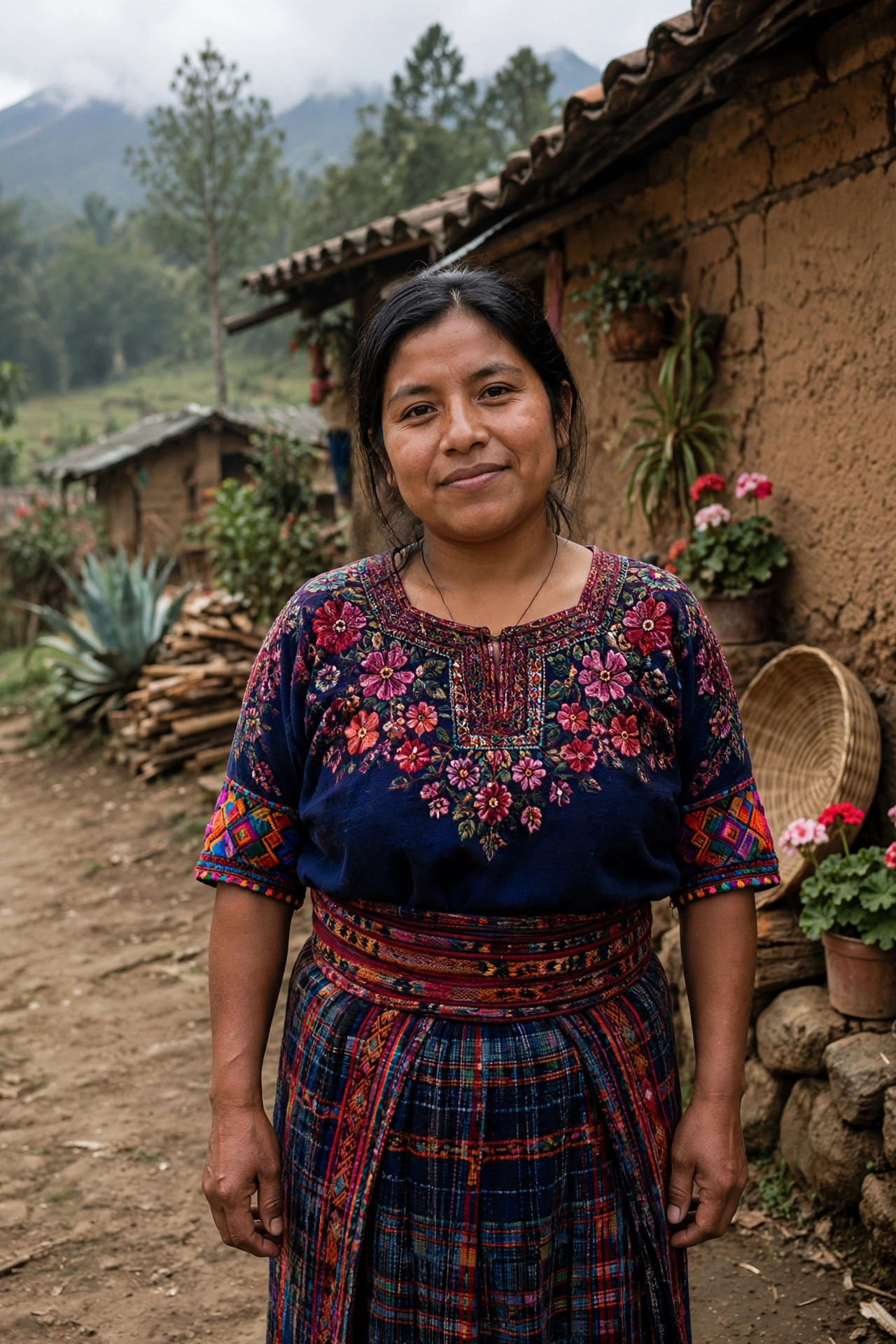
The huipil is the loose, woven tunic worn by Indigenous Maya women in Guatemala and southern Mexico, including Chiapas and Oaxaca, with roots in pre-Hispanic dress that continue unbroken today. It is woven, usually by the wearer herself or by women in her community, on a backstrap loom, and its brocaded patterns identify her town, language community and personal skill. A huipil is daily dress, festival dress and textile art in a single garment, worn with pride across generations.
Construction: Panels from the Backstrap Loom
A huipil is built from one to three woven panels, joined with decorative stitching, with an opening cut or woven for the neck. The shape is deliberately simple, a rectangle that falls from the shoulders to anywhere from waist to knee depending on region and use, because the artistry lives in the weaving, not the cutting. Brocade figures are worked into the cloth as it is woven, using supplementary weft threads, so the pattern is part of the fabric's structure, not printed or embroidered afterward.
Patterns That Name a Town
Each community has its designs. Birds, deer, corn plants, stars, frogs and geometric bands recur, along with the quetzal and other symbols of the Maya world, and colour palettes differ from town to town across the Guatemalan highlands. An experienced eye can read a woman's huipil the way others read an address. Ceremonial huipils are the most elaborate, densely brocaded and reserved for festivals, weddings and religious office, while daily huipils keep the same vocabulary in simpler, hardier form.
How the Huipil Is Worn
The huipil is worn tucked into or over a woven wrap skirt, the corte, held by a sash, the faja, at the waist. Shorter huipils are tucked in to show the sash; longer ceremonial styles fall over the skirt. A woven shawl or head cloth, and in some towns a distinctive coiled headdress, complete the outfit, called traje. The ensemble is worn daily in many highland towns, not reserved for special occasions, and women choose and commission pieces with a connoisseur's eye.
Choosing and Caring for a Huipil
A genuine handwoven huipil takes weeks or months to make, and its price should reflect that labour; buying from weavers and fair cooperatives keeps the craft viable. Judge a piece by the evenness of the weaving, the density of the brocade and the finishing of the neck and seams. Wash gently by hand in cool water, since early pieces may use dyes that bleed, dry in shade, and store folded with the brocade protected. Worn with respect, a huipil honours its maker.
Common Questions
What is a huipil made from?
Cotton, traditionally woven on a backstrap loom, with brocade patterns worked in supplementary weft threads as the cloth is woven. Some regions add silk or rayon threads for sheen in ceremonial pieces.
How is a huipil worn?
With a woven corte wrap skirt and a faja sash at the waist. Shorter huipils are tucked in, longer ceremonial ones fall over the skirt. Shawls and head cloths complete the traje ensemble.
Why do huipil patterns differ so much?
Each town and language community has its own motifs, colours and layouts, so a huipil identifies where its wearer comes from. Ceremonial pieces carry the densest and most symbolic brocade.
Traditional & Cultural Dress Guides
Traditional and cultural dress from around the world — every guide in this cluster:
- Women's Huipil
- Men's Achkan
- Men's Boubou & Agbada
- Men's Arkhalig
- Women's Baju Kurung
- Men's Baju Melayu
- Women's Buibui
- Men's Burnous
- Men's Chokha
- Men's Chullo
- Women's Churidar
- Women's Chut Thai
- Women's Deel
- Men's Djellaba
- Women's Dupatta
- Men's Kanzu
- Women's Kebaya
- Women's Kitenge
- Men's Longyi
- Women's Patiala Salwar
- Men's Pheran
- Women's Sampot
- Women's Sinh
- Women's Songket
- Women's Terno
- Women's Hanbok
- Women's Ao Dai
- Women's Dirndl
- Women's Dashiki
- Women's Cheongsam
- Women's Salwar Kameez
- Women's Yukata
- Women's Kaftan
- Women's Abaya
- Men's Lederhosen
- Men's Thawb
- Men's Barong
- Women's Kimono
- Women's Silk Sari
- Women's Sarongs
- Men's Guayabera Shirts
Next, cross to Mongolia for a wrap robe built for the steppe and worn by a whole nation.
Next: Women's Deel Guide: Mongolia's long wrap robe, with sash, silk and festival colour »Looking for Women's Clothing Stores?
This guide helps you understand and choose huipil styles with confidence. To browse where to buy, visit our womens clothing store directory, where you can find retailers that carry them.